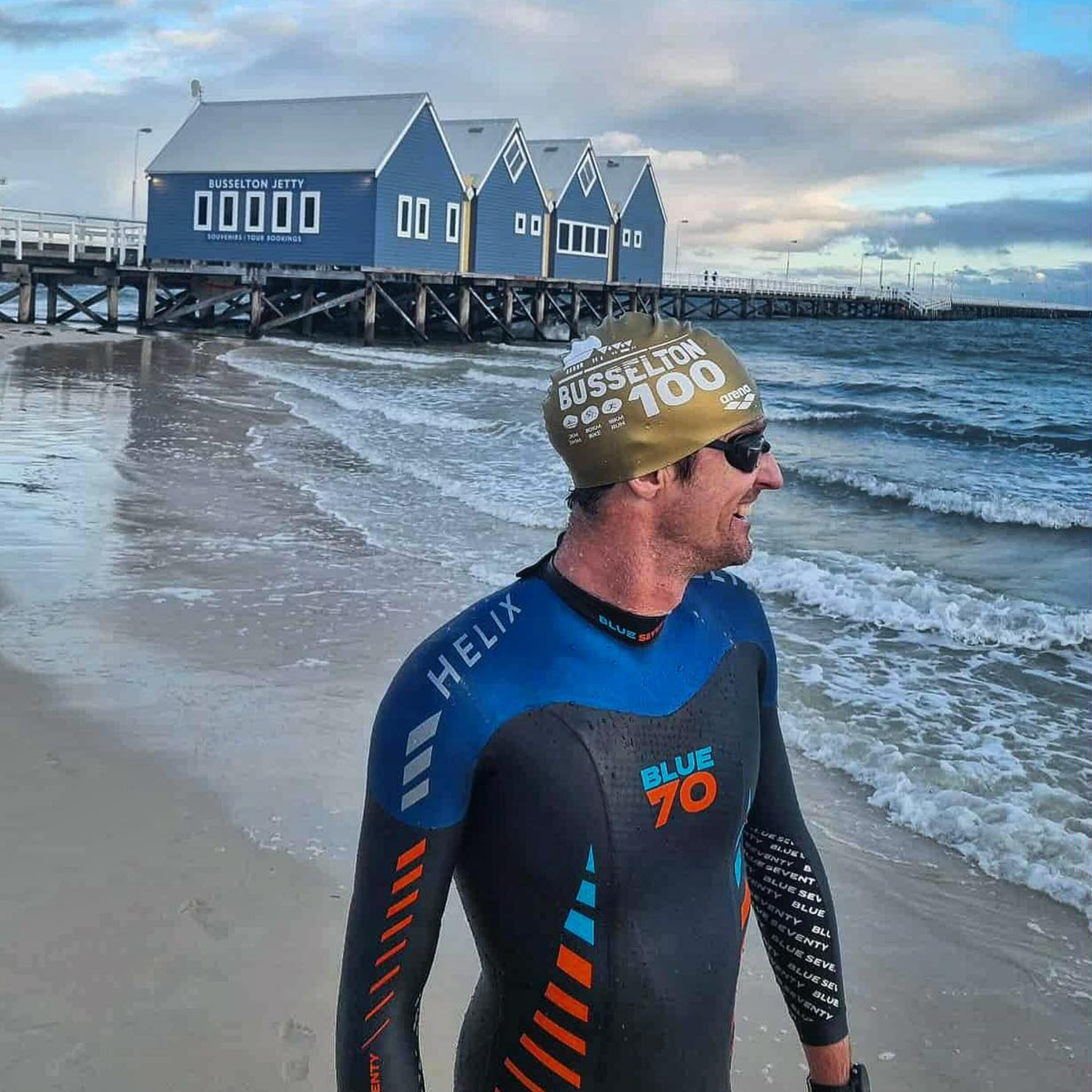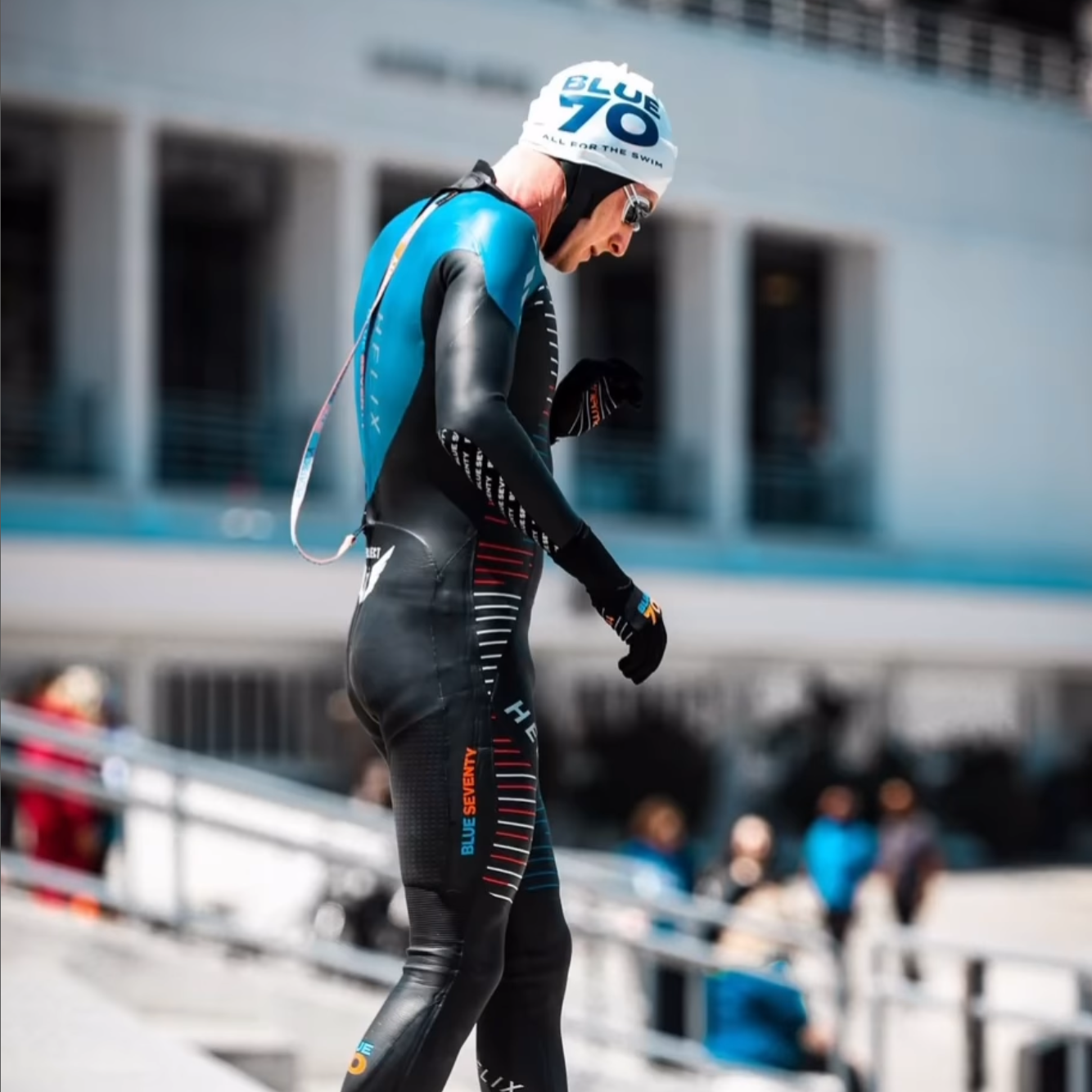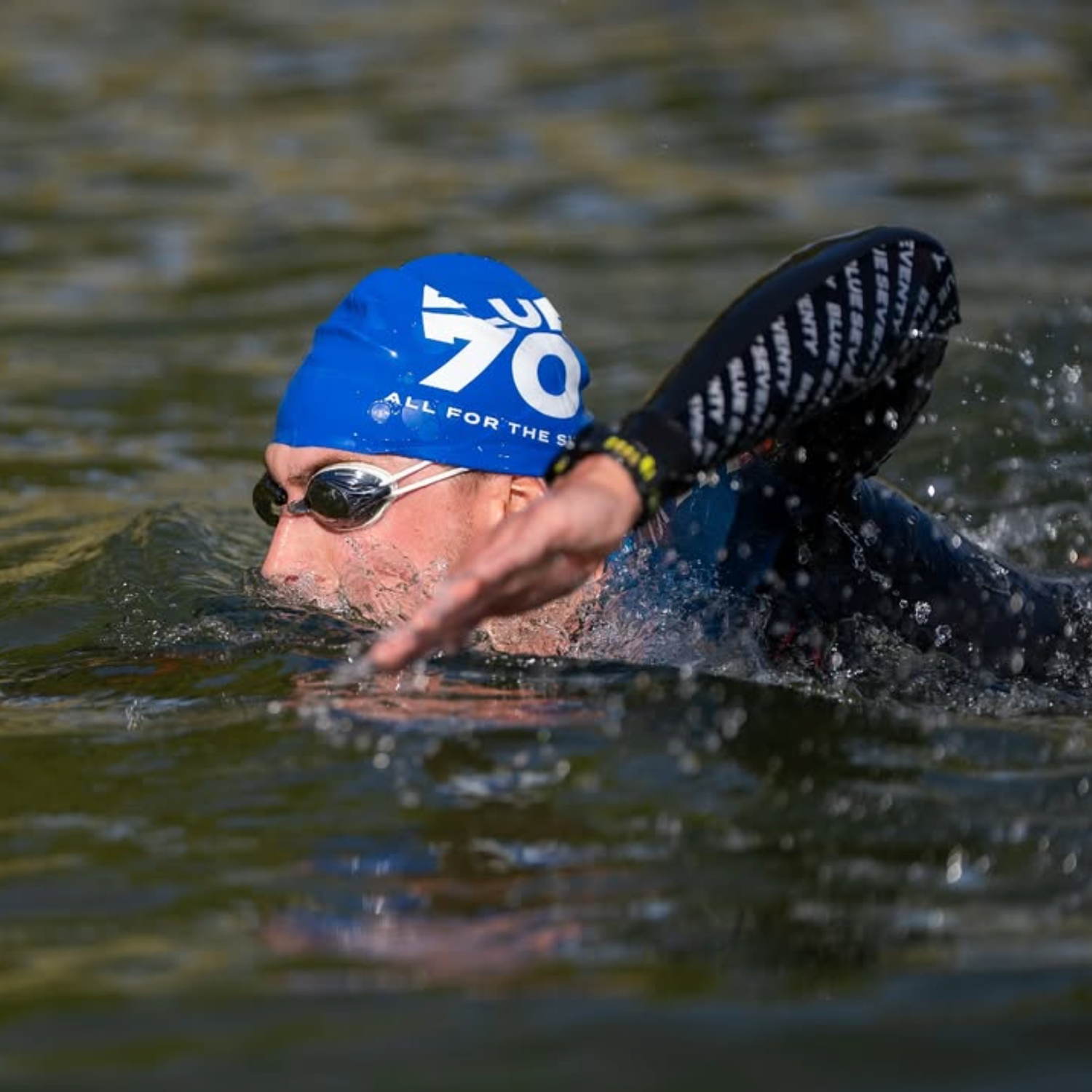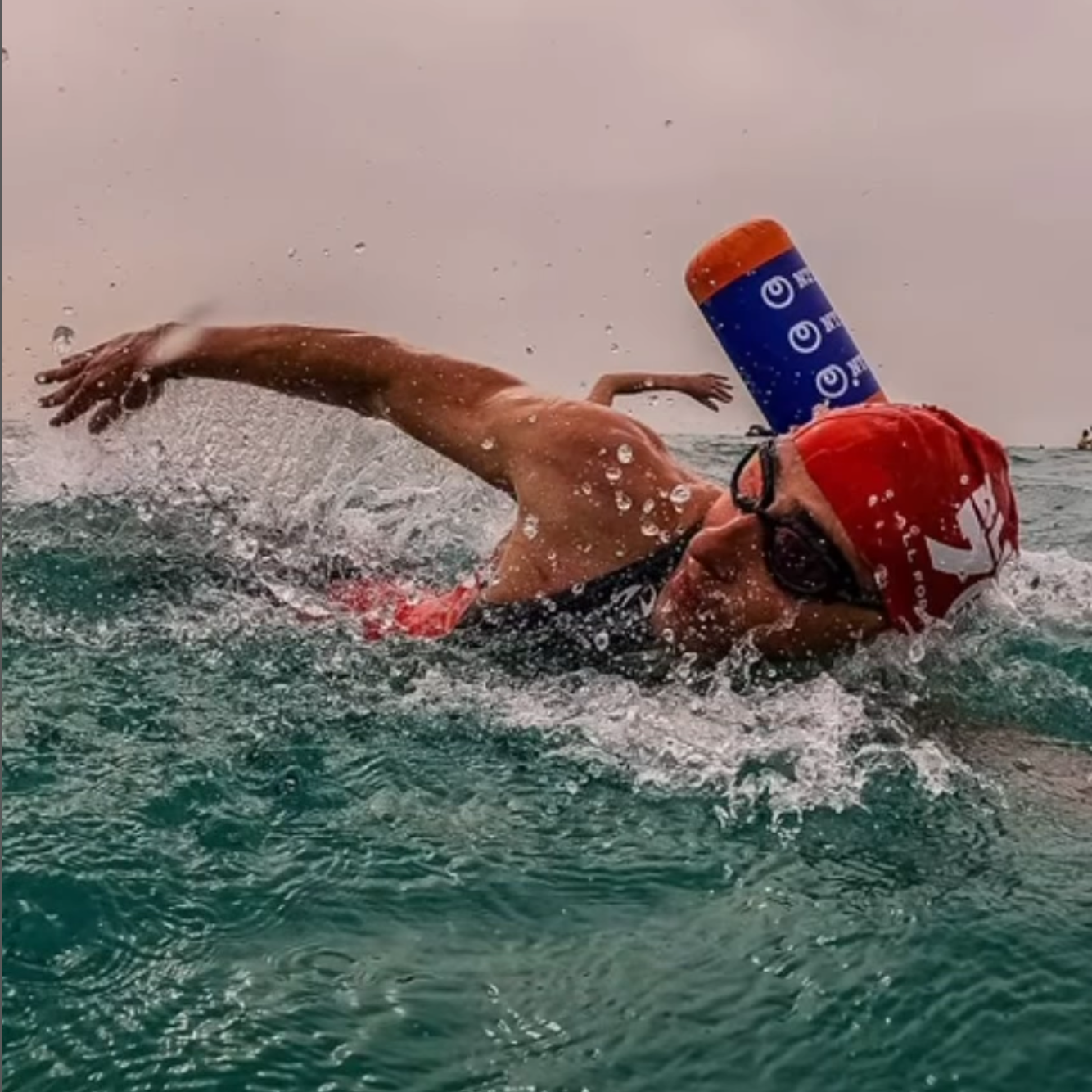



Yes, you can use a Blue70 swimming wetsuit for ocean training. Blue70 makes swim-specific wetsuits for open water and triathlon training, and the ocean is one of the places they are designed to be used. The more useful question is which Blue70 suit will hold up to your training volume and your local water temperature.
Pick the suit for your training volume
If you train in the ocean once a week or more, choose a suit that can take the repetition. Helix is the $995 race-day flagship with thin, flexible neoprene in the arms and shoulders. That flexibility matters on race day, but Blue70 notes the thin neoprene will break down more quickly with heavy training use. For regular ocean sessions, look at Reaction and Fusion. Reaction ($680) uses higher-grade neoprene than Fusion and suits frequent, longer swims. Fusion ($420) suits shorter frequent swims and has a lower-sitting neckline from the 2021 redesign for comfort without losing the watertight seal. Sprint ($325) is the entry-level model for swimmers who want to spend less.
Let water temperature narrow the choice
Below about 56 to 58°F, Thermal Reaction ($785) is the cold-water choice. It is fully lined with Zirconium jersey for added thermal protection. Warmth still depends on water temperature, time in the water, and the individual, so build cold exposure gradually and swim with a buddy. Above about 70 to 72°F, a full suit can feel too warm over longer ocean swims. Reaction Sleeveless ($395) or Glide Short John ($210) gives an easier fit and less coverage. In the temperate range between those points, Reaction and Fusion are the everyday suits.
Get the fit and donning right
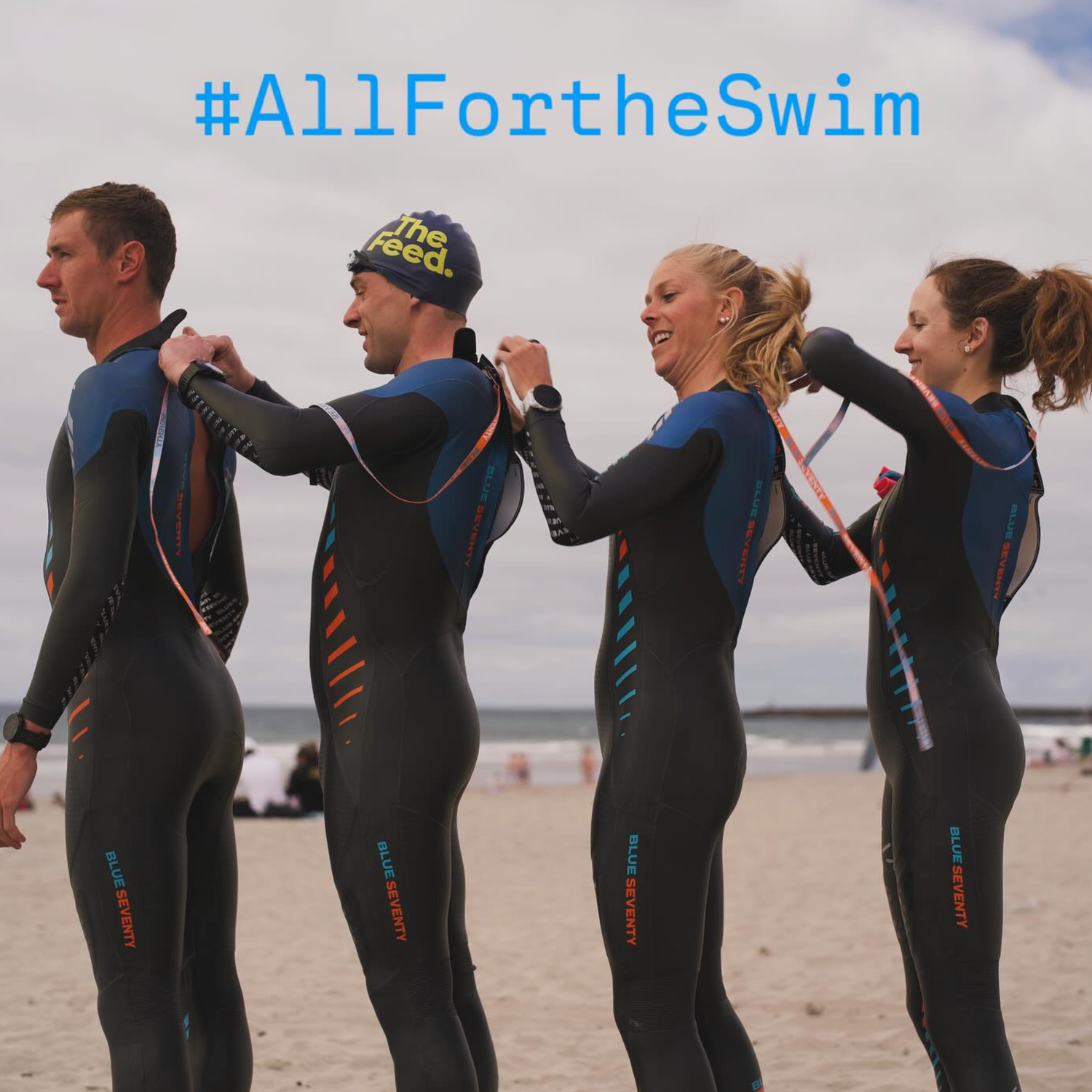
A Blue70 wetsuit should feel snug on dry land and more comfortable once you are in the water. The suit allows a thin layer of water inside; your body warms that layer. Pull the legs and torso up in stages, then settle the shoulders last. Do not grab the neoprene with fingernails. Use the pads of your fingers. A suit that is not properly seated in the shoulders causes fatigue. Blue70 wetsuits use Yamamoto neoprene in 38, 39, and 40 cell grades. Higher cell number means more flexibility in the arms and shoulders, and that flexibility matters over a long ocean session.
Care for the suit after salt water
Rinse it after every swim. Rinse the suit with fresh water as soon as practical after a saltwater swim, then dry it inside out first and right side out later, away from direct sun and heat. Fingernail punctures and heel tears are the most common damage points. Small nicks can be repaired with Aquaseal neoprene cement before they spread. Force damage to zippers, heat damage, and non-swimming use are not covered under the one-year warranty.
What a wetsuit will and will not do
Buoyancy equals speed. A Blue70 wetsuit adds buoyancy and improves body position in the ocean. Salt water is slightly more buoyant than fresh water, so you may sit a little higher than in a lake. The suit also provides added thermal protection. It is not a personal flotation device, and Blue70 wetsuits are not Coast Guard-certified personal flotation devices. Know the current, tide, and entry and exit points before you swim.
A good next step is to take a Test Swim in the model that matches your training volume and water temperature. You can swim in a Blue70 wetsuit and still return or exchange it if it comes back clean, dry, unmodified, with tags attached. Happy swimming.