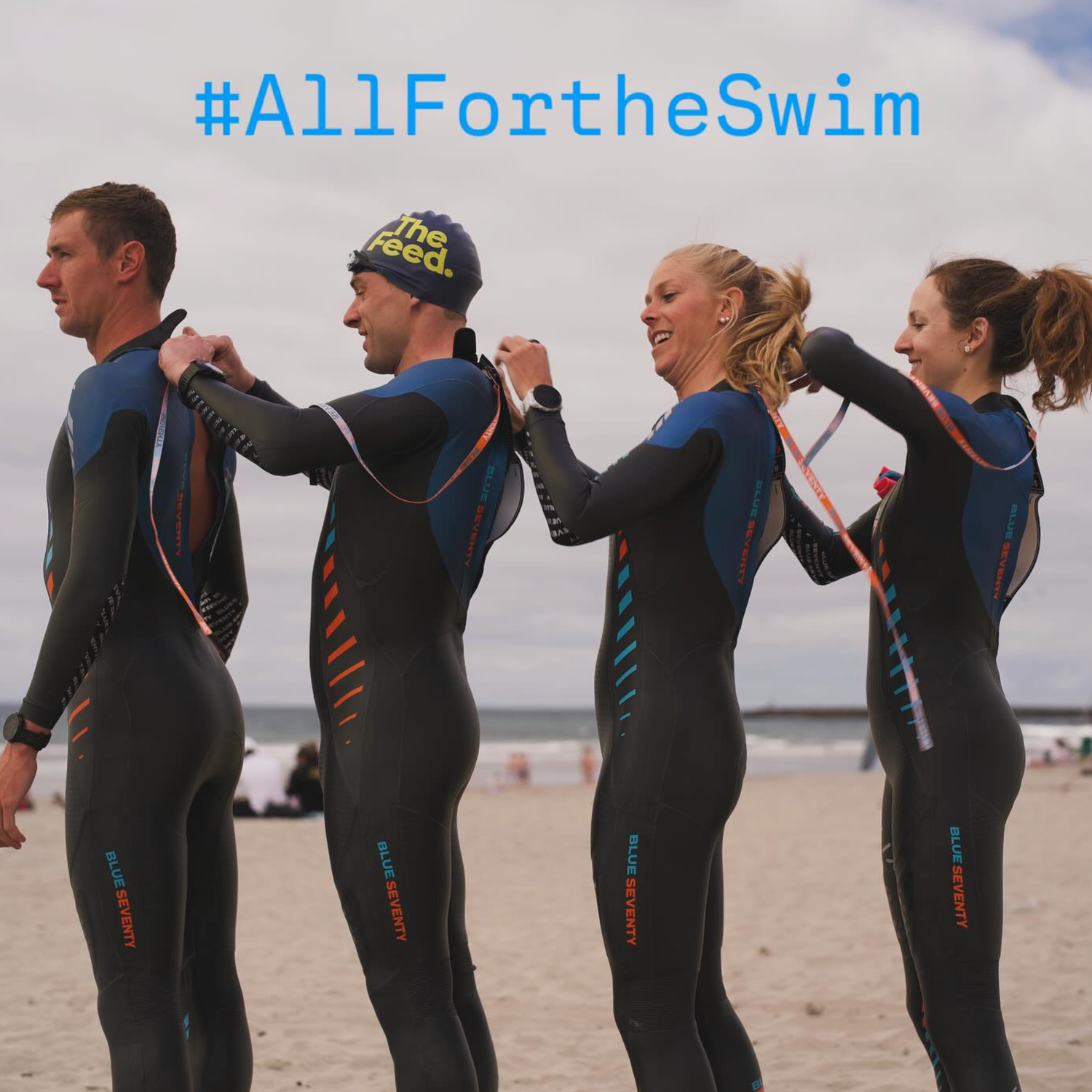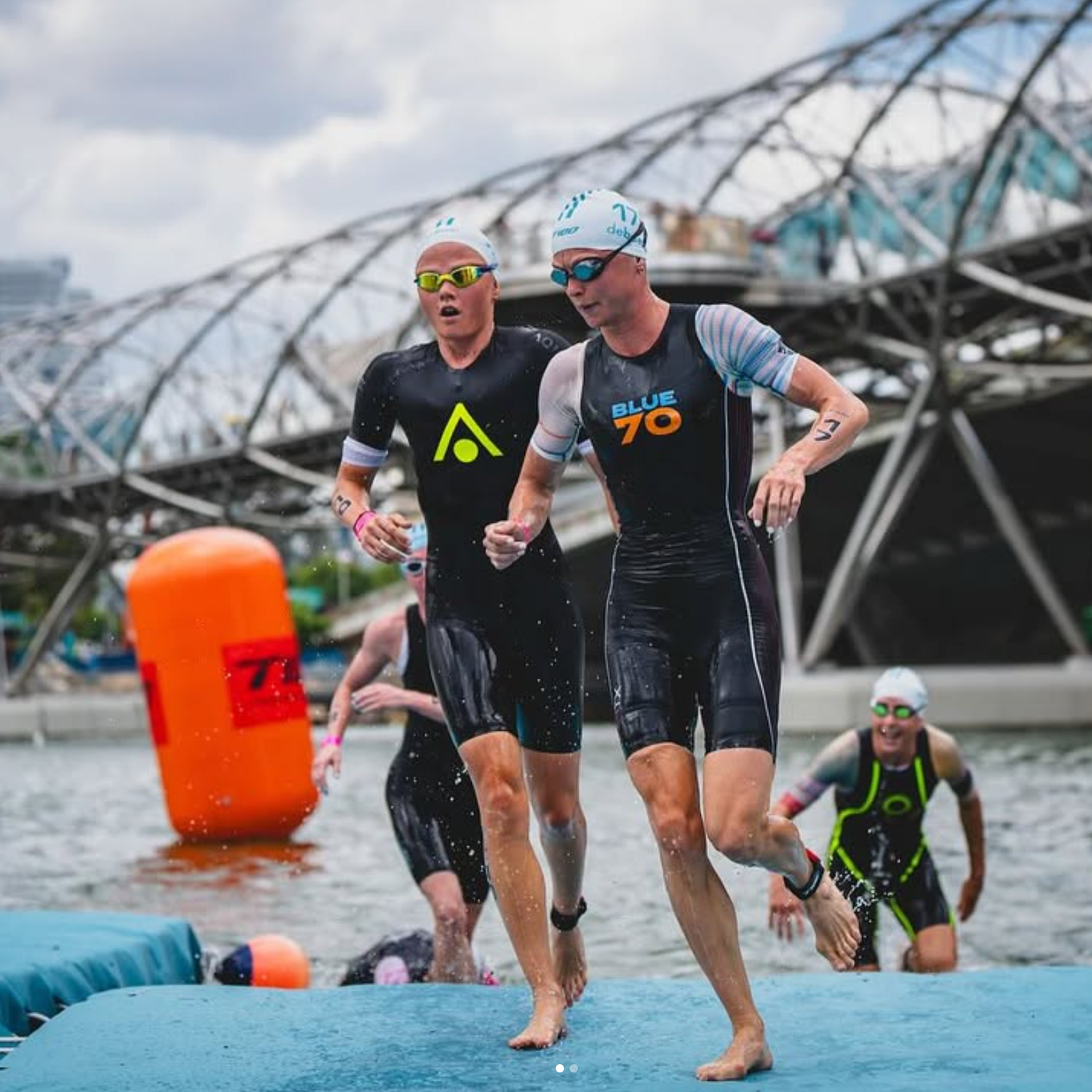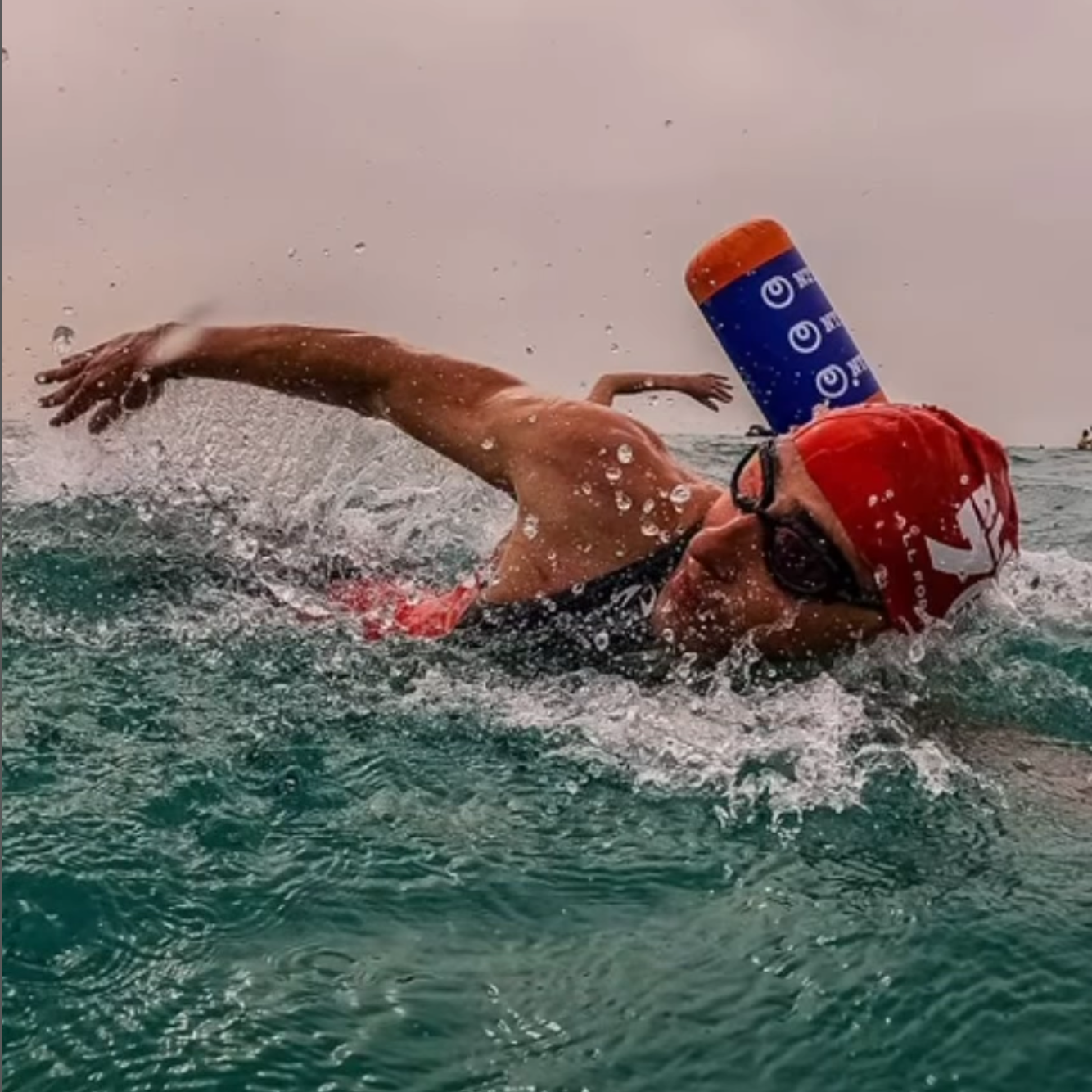



You can put on a Blue70 swimming wetsuit and paddleboard in it, but the suit is not built for that activity. The cut, neoprene placement, buoyancy panels, and warranty all assume swimming or triathlon use. Paddleboarding adds deck abrasion, kneeling, sitting, and a paddle stroke that a swim-specific suit was not designed to absorb.
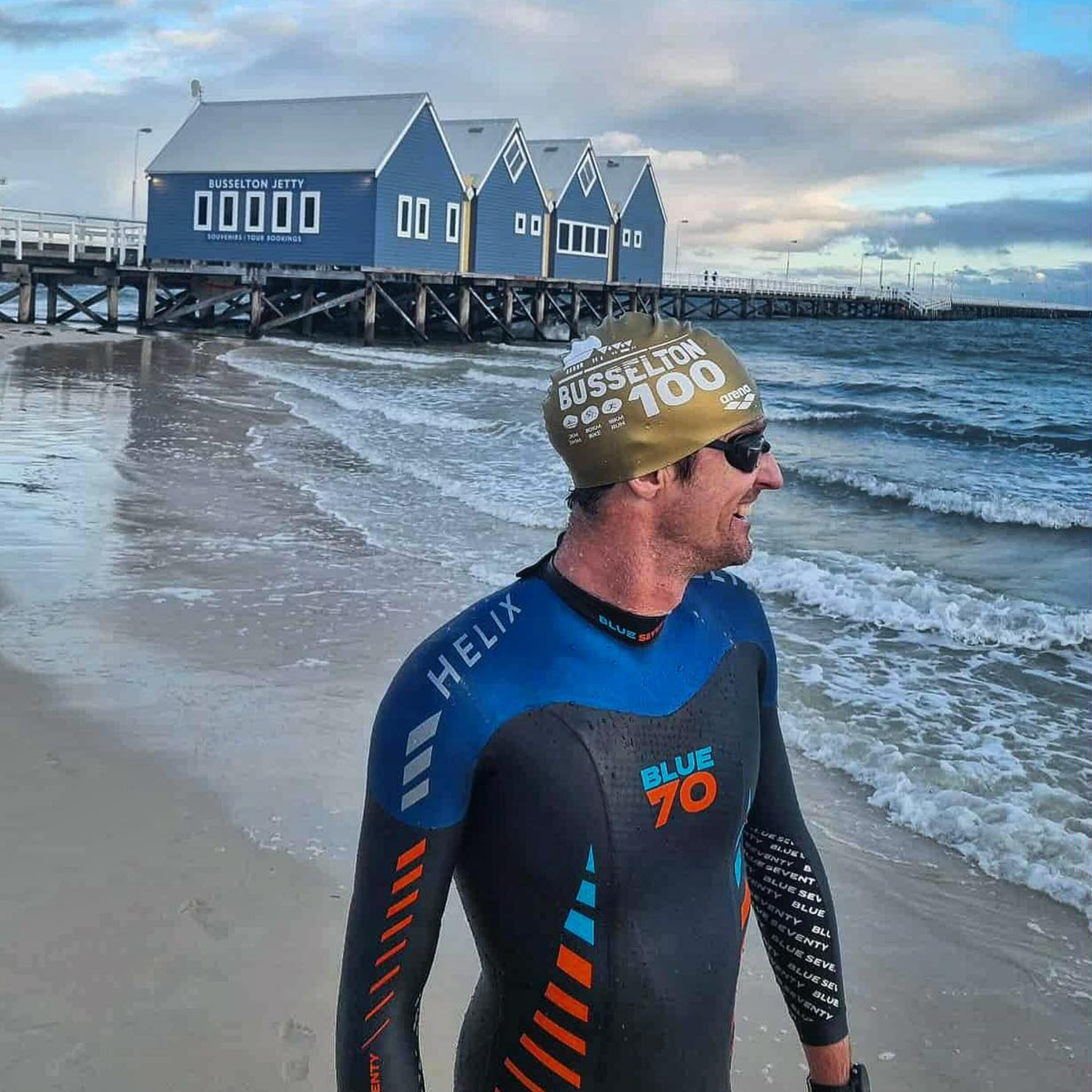
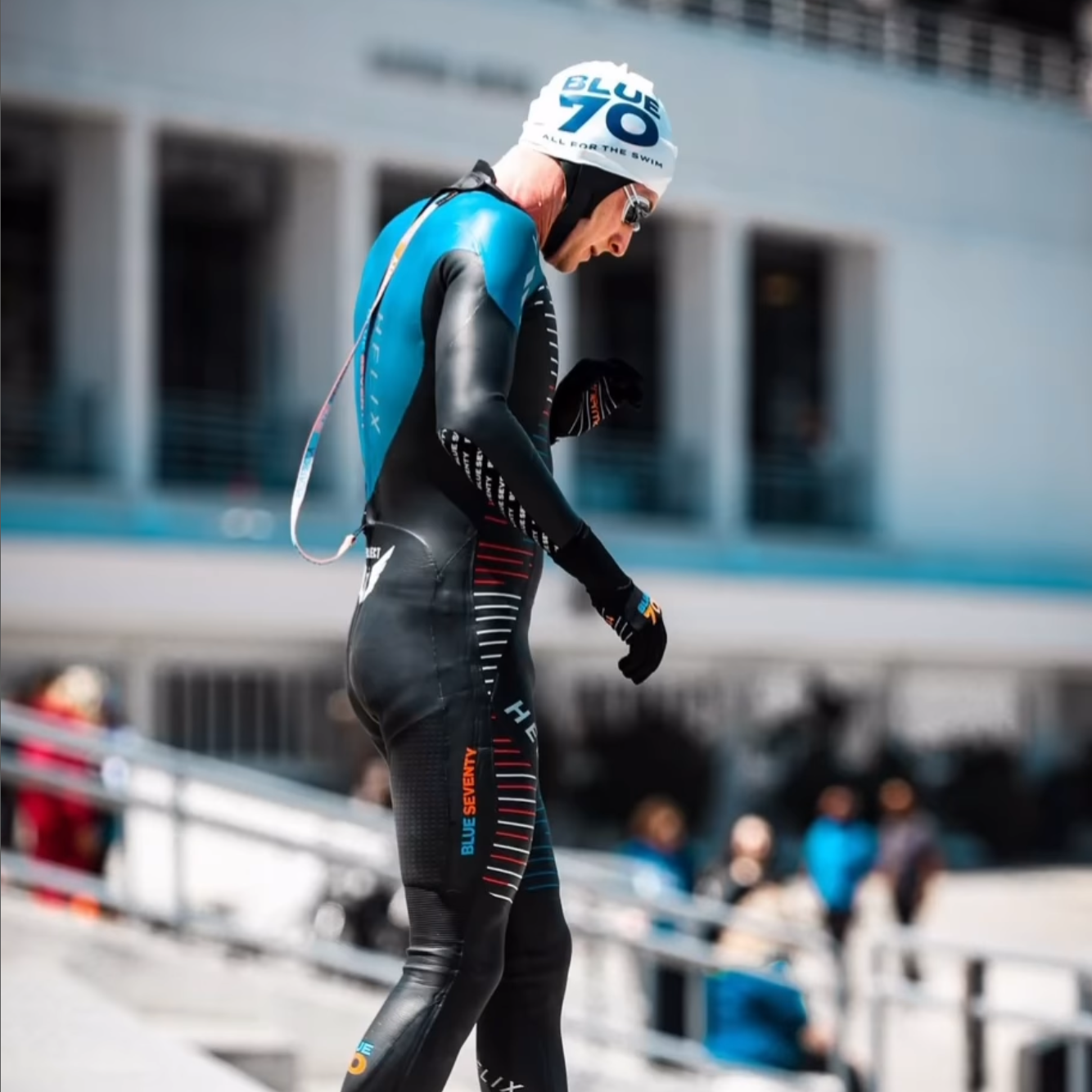
Blue70 wetsuits use Yamamoto neoprene in 38, 39, and 40 cell grades. A higher cell number means more flexibility, which matters in the shoulders and arms during a swim stroke. The Helix uses thin, flexible neoprene around the shoulders for full range of motion and adds LIFT buoyancy panels to hold a horizontal swim position. A Fusion has a lower-sitting neckline for comfort during swimming. Those details serve a swimmer, not a paddler.
What Blue70 swimming wetsuits are built to do
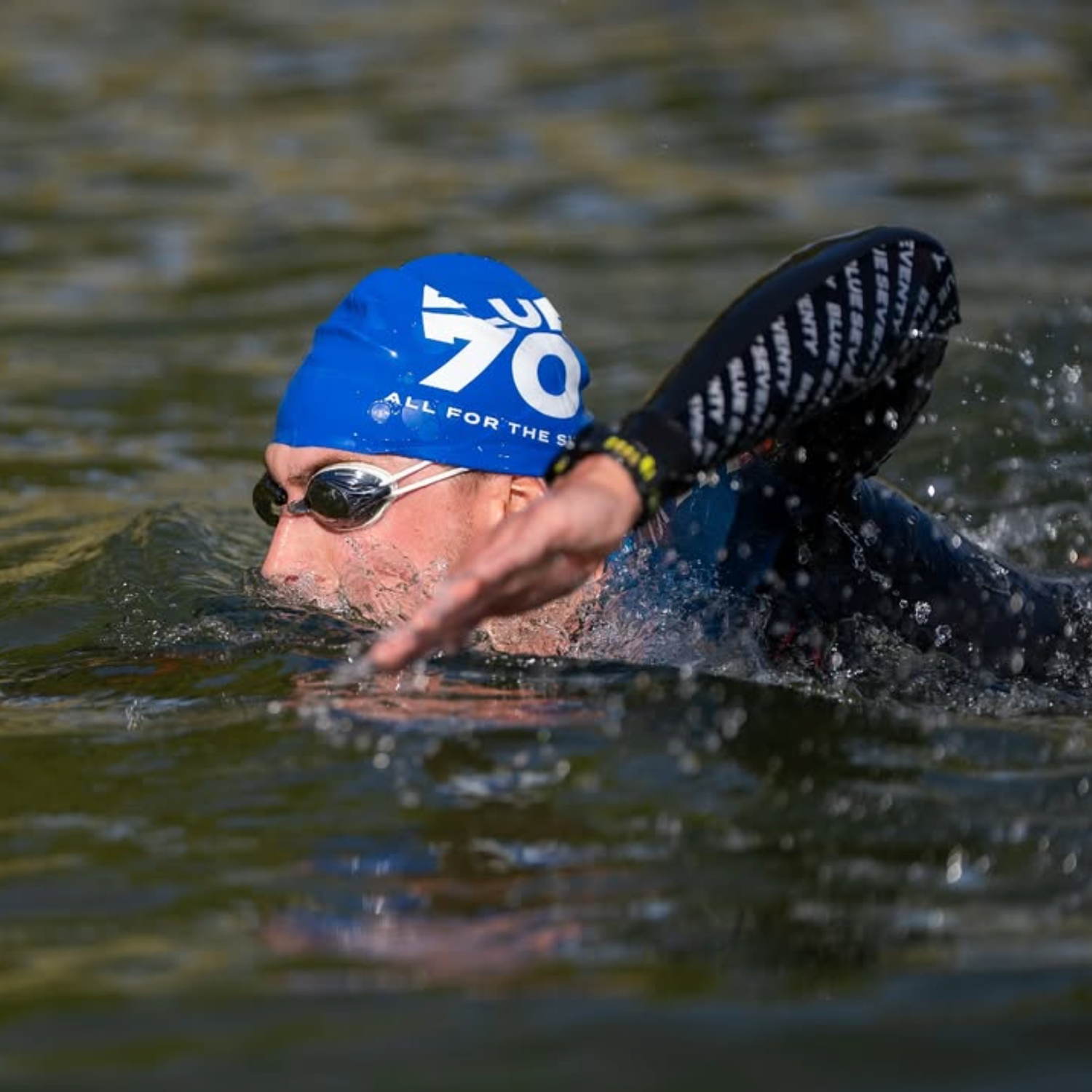
Every Blue70 suit starts from a swim-specific fit. The arms and shoulders rotate freely, the torso panels support a long body line in the water, and the lower legs add lift to keep the hips near the surface. Buoyancy equals speed in swimming because a horizontal body line reduces drag. Paddleboarding does not need that same hip lift. The buoyancy panels placed for swimming can feel odd when you sit, kneel, or shift side to side on a board.
Thermal protection works in the water. A Thermal Reaction is fully lined with Zirconium jersey for added thermal protection in cold water. On a board, though, a wetsuit is not a wind shell. Once the outer neoprene is wet and exposed to air, you may feel colder than you would while swimming.
Where paddleboarding wears a suit differently
Paddleboarding puts you on a board, not in the water. You kneel on the deck, sit on the board or a seat, and drive a paddle with a high stroke. The thin, flexible neoprene in a Helix breaks down more quickly under heavy training use, and repeated contact with a textured deck pad or a rough board surface can wear the same panels in ways a swim stroke does not.
If you do take a Blue70 suit out on a board, check the high-wear areas and care for the suit properly afterward:
- Inspect the knees, seat, and cuffs for abrasion or small tears.
- Rinse the suit with fresh water after use to remove salt, sand, or lake water.
- Dry the suit inside and out away from direct heat or sunlight.
Blue70's warranty position
Blue70 covers manufacturing and materials defects for one year for the original owner, with repair as the remedy. Fingernail punctures, heel tears, zipper damage from force, wear and tear, and damage from non-swimming use are not covered. Paddleboarding counts as non-swimming use. If you take a Blue70 suit paddleboarding and tear a knee or wear through the seat, that repair is outside the warranty.
Choosing a suit when swimming is the priority
If swimming or triathlon is your focus, choose a Blue70 model for that use. Frequent swimmers who train once a week or more should lean toward Reaction or Fusion for durability. Racers who want maximum shoulder flexibility can choose Helix, knowing the thin neoprene needs careful handling. Cold-water swimmers get extra thermal protection from Thermal Reaction. If paddleboarding becomes the main activity, a swim wetsuit is not the right choice. Save the Blue70 suit for swim sessions.
If you are buying for swimming, start with the size chart and use the Test Swim program. You can swim in the suit and still return or exchange it within 30 days if it is clean and dry. That lets you confirm the fit before a race or regular training block.
All for the swim.