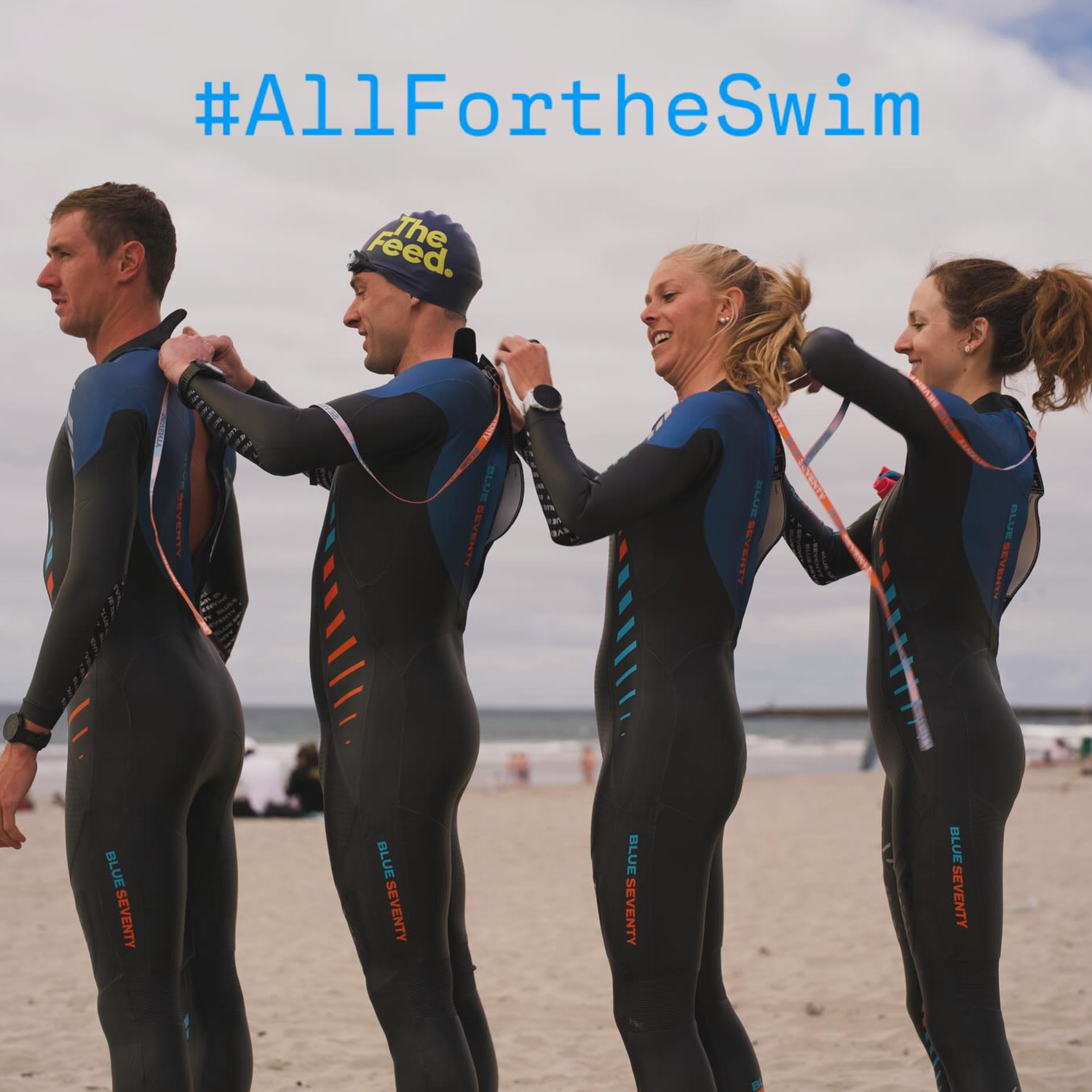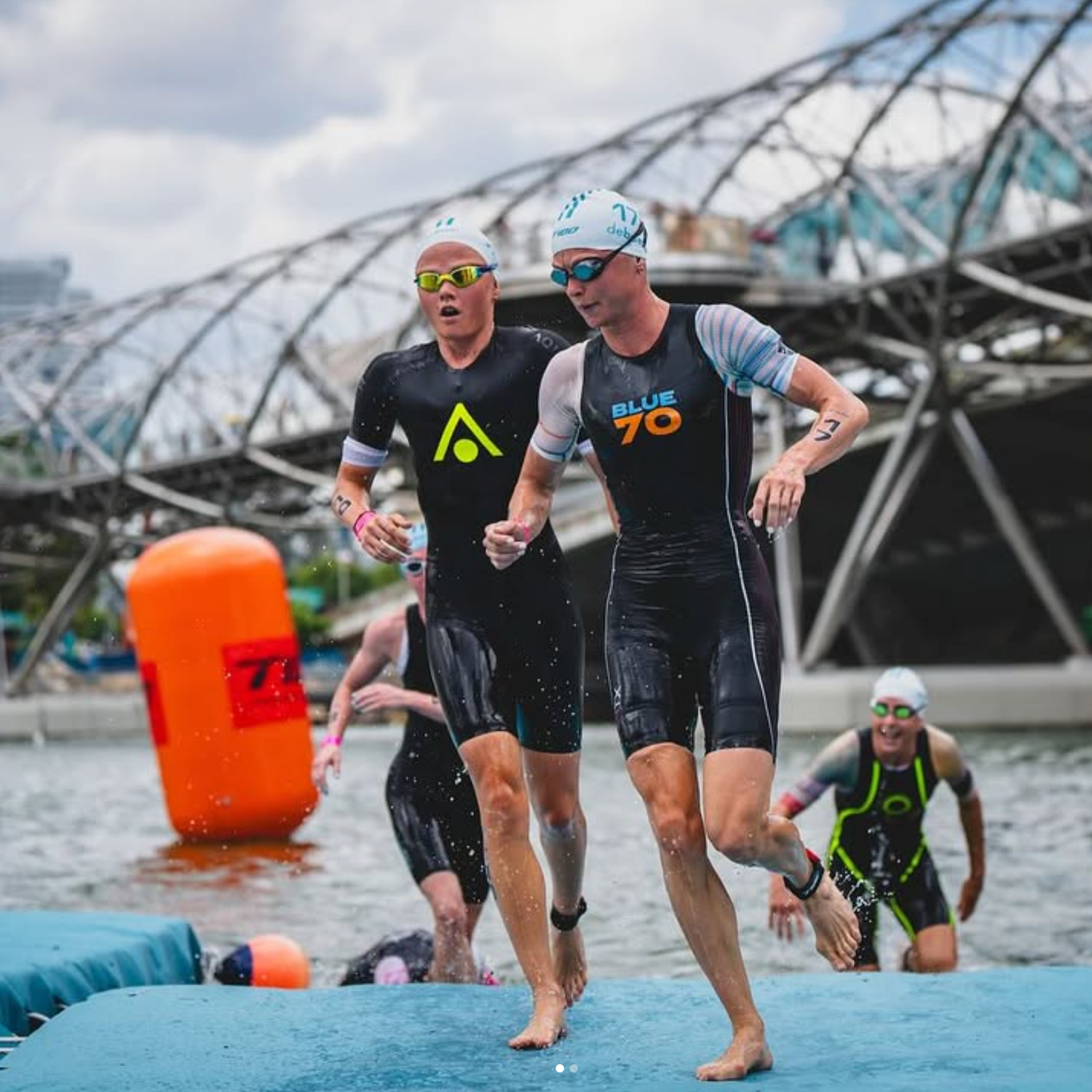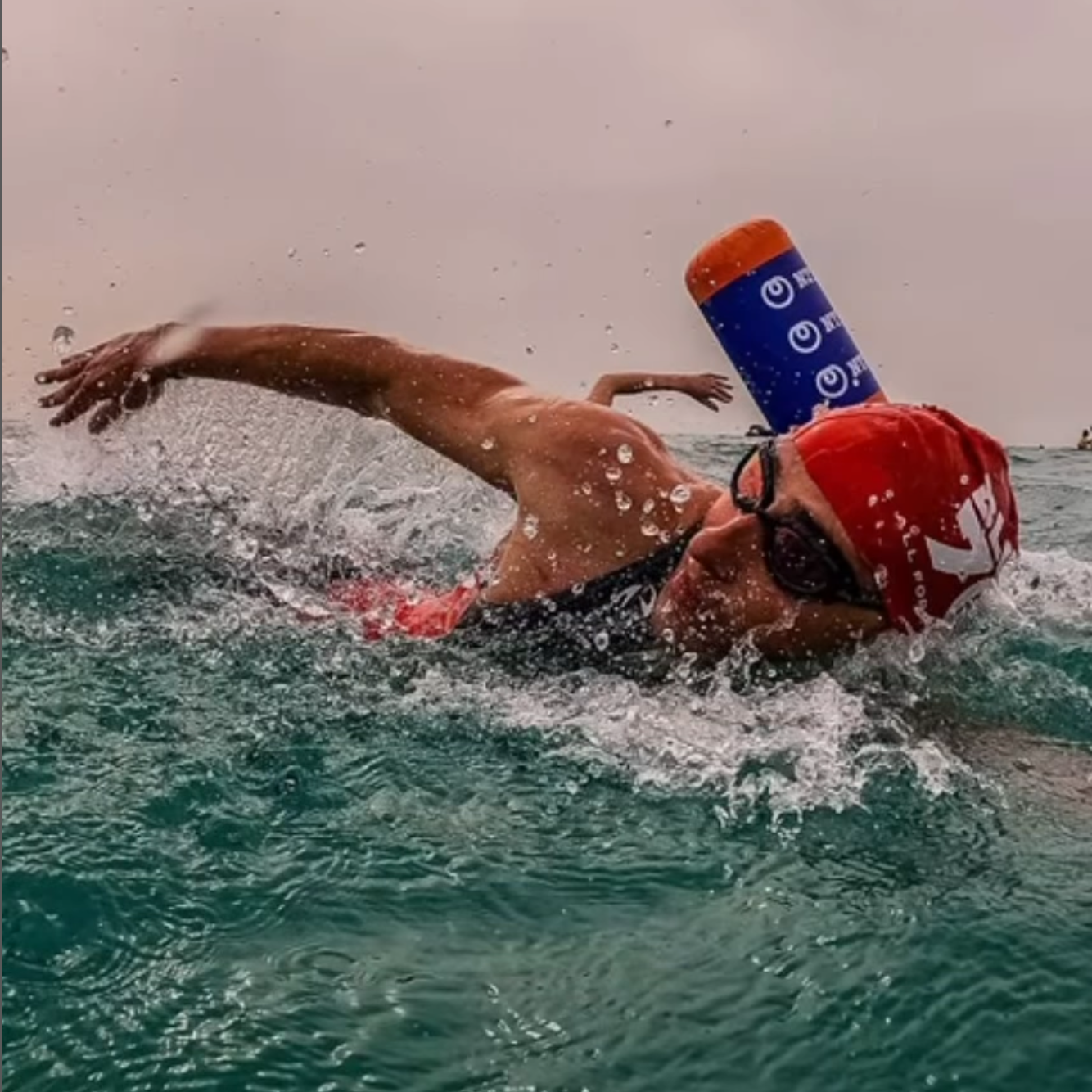



No, we do not recommend it. A blueseventy swimming wetsuit is built for swimming and triathlon, and bodysurfing falls outside that purpose. You can physically put one on and ride a wave, but the suit can wear faster, and damage from bodysurfing will not be covered by the warranty.
Swim-specific design
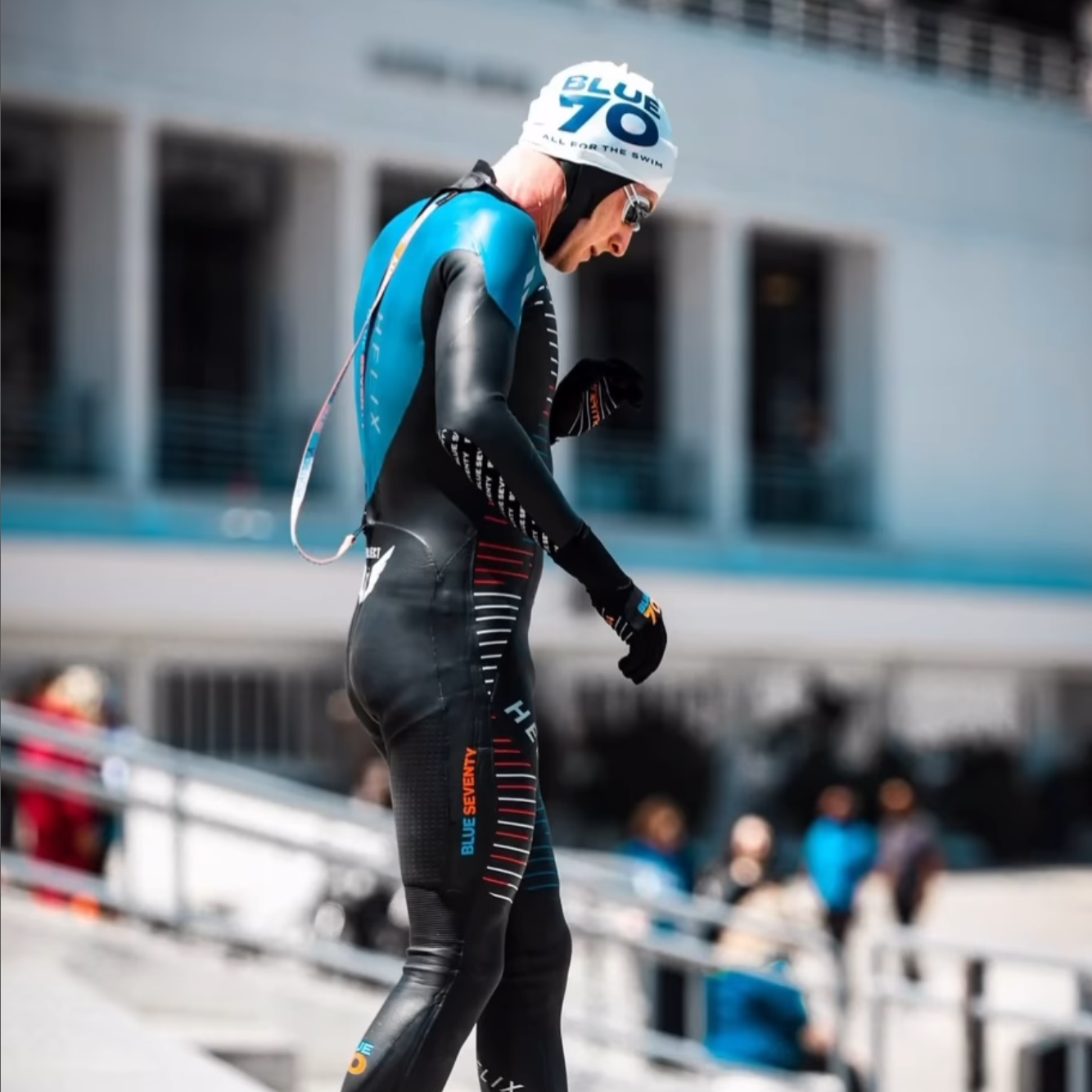
Blueseventy wetsuits use Yamamoto neoprene in 38, 39, and 40 cell grades. Higher cell numbers mean more flexibility. The race suits place thin, flexible neoprene in the arms and shoulders so you can rotate, reach, and pull without restriction. The Helix has a permeable catch panel that preserves feel for the water. LIFT buoyancy panels in the Helix and the LIFT buoyancy short help improve body position. These features serve swimming.
Bodysurfing puts different loads on the suit. You slide across sand, get tumbled in shorebreak, and take repeated wave impacts. Sand works into seams, cuffs, and the neck. The thin, flexible arm and shoulder panels that give you a free stroke are the same panels that can scuff and tear more quickly when they meet sand and shells. The zipper and neck seal can take force in a wipeout. A swimming wetsuit provides thermal protection and buoyancy for swimming, not padding or reinforcement for repeated contact with sand or the seafloor.
Warranty does not cover bodysurfing damage
Blueseventy wetsuits carry a one-year warranty against manufacturing and material defects for the original owner. The remedy is repair. Technical race swimwear carries a six-week warranty. The warranty does not cover fingernail punctures, heel tears, zipper damage from force, heat or chlorine damage, general wear and tear, or any non-swimming use. Bodysurfing is not swimming. If you tear a panel while bodysurfing, that damage will be treated as outside the warranty.
A bodysurfing wipeout produces exactly the kind of damage the warranty excludes: a tear at the shoulder, a zipper forced open, a neck seal stretched. The warranty repair team can tell the difference between a manufacturing defect and wave damage.
Beach care for your suit
If you swim at the beach and occasionally catch a wave, keep your blueseventy suit for swimming. Take it off before a long bodysurfing session. If you get caught in surf and tumble, rinse the suit thoroughly in fresh water, check the seams for sand, and dry it inside and out away from direct heat or sunlight. Sand left in the seams can grind into the neoprene on your next swim.
If bodysurfing is your main activity, blueseventy does not make a bodysurf-specific wetsuit. We would rather you choose equipment designed and warrantied for that use than wreck a swim suit.
Matching a blueseventy suit to your swim
For open water swimming and triathlon, a blueseventy suit is the right tool. Match the model to your water temperature and training frequency.
- Thermal Reaction: designed for cold water below roughly 56 to 58 degrees Fahrenheit.
- Reaction: built for frequent, longer swims with higher-grade neoprene.
- Fusion: recommended for shorter frequent swims and comfortable all-around training.
- Sleeveless models: work better in water above 70 to 72 degrees Fahrenheit.
Take care of your suit, and it will serve you for many swims.
All for the swim.