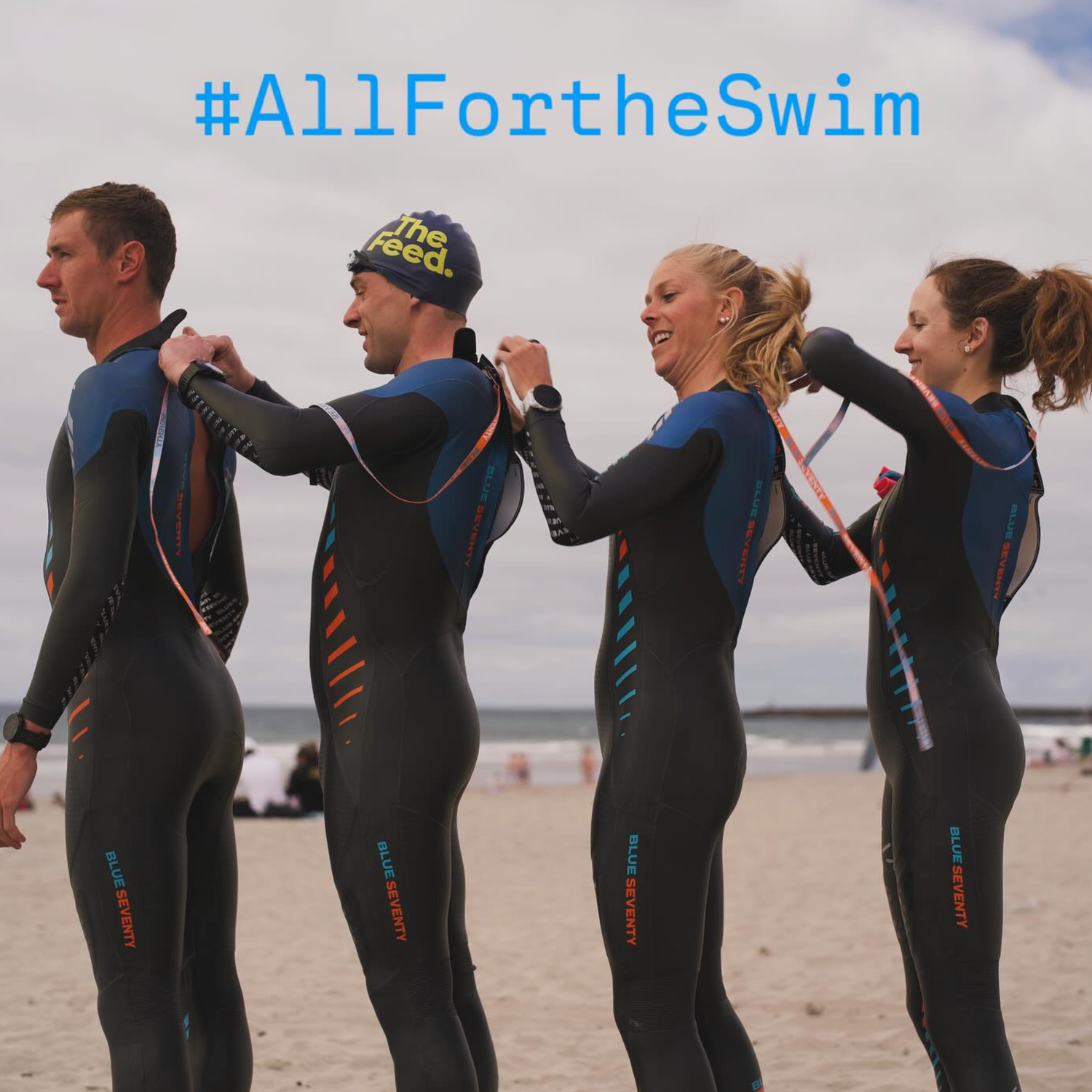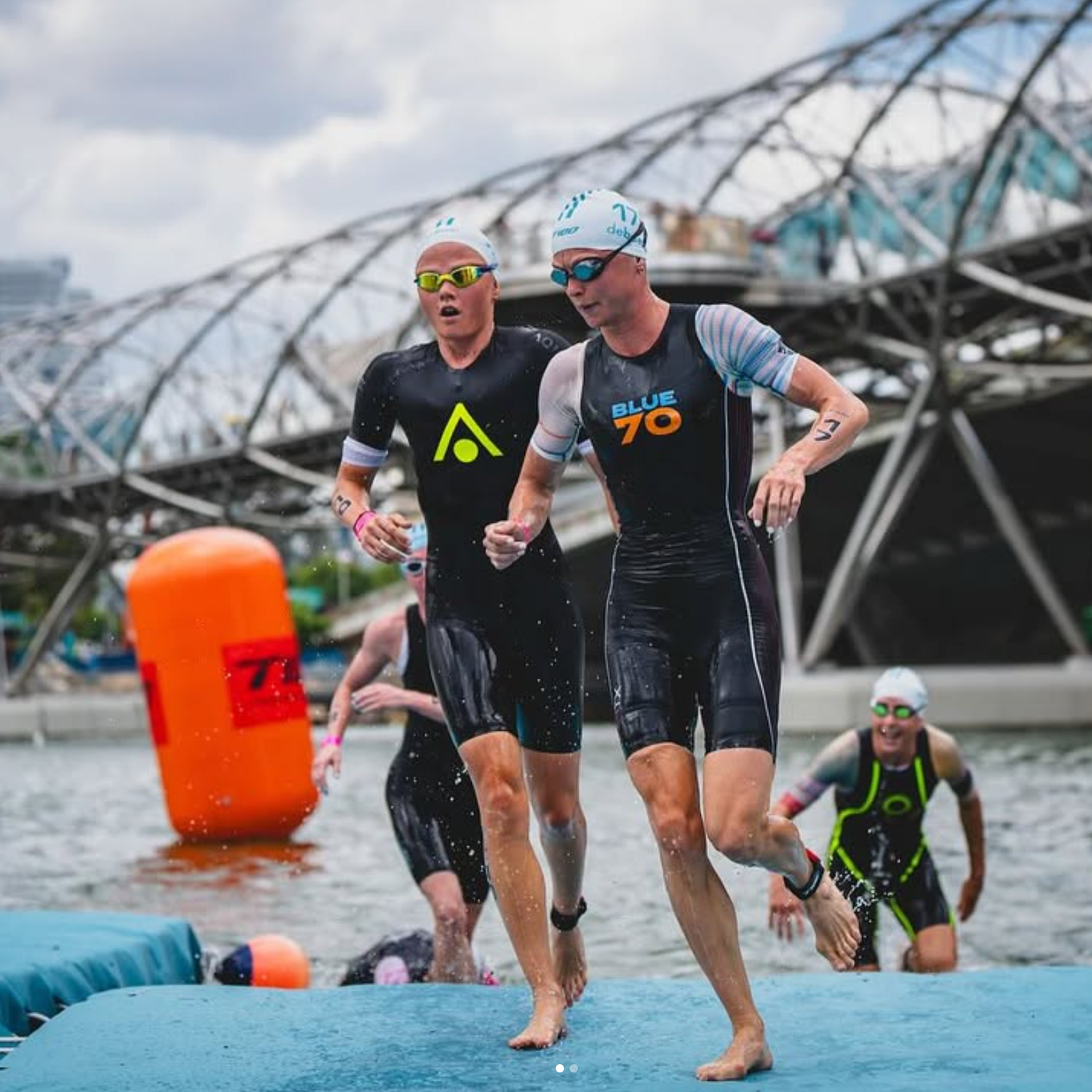



The short answer is no. We don't recommend dyeing a blueseventy wetsuit. The outer jersey can pick up some color, but the closed-cell neoprene foam underneath won't absorb it evenly. The result is usually patchy, and the process can weaken the seams and stiffen the foam.
Why dye won't take the way you expect
A swim wetsuit is closed-cell neoprene covered by a thin jersey layer. The jersey can accept some dye, but the foam core stays unaffected. The zipper, neckline, and seam tapes also absorb color differently, so you don't get a clean match. As the suit moves through the water, loose dye can rub off onto your skin or rinse out into the water.
Heat and chemicals are the real problem
Most fabric dyes need hot water and a chemical carrier to bond. blueseventy wetsuits use Yamamoto neoprene in 38, 39, and 40 cell grades. Higher cell counts give more flexibility in the arms and shoulders. Hot water and dye carriers stress that foam and the glued seams. The seams are where a wetsuit holds itself together. Heat is hard on those joints.
A dyed suit often feels stiffer in the shoulders and loses some of the freedom of movement the suit was built to provide. Because a blueseventy wetsuit relies on the flexibility of the neoprene in the arms, shoulders, and chest to let you rotate and reach without fighting the suit, anything that stiffens that foam works against the reason you bought a swim-specific suit.
What dyeing does to a delicate suit
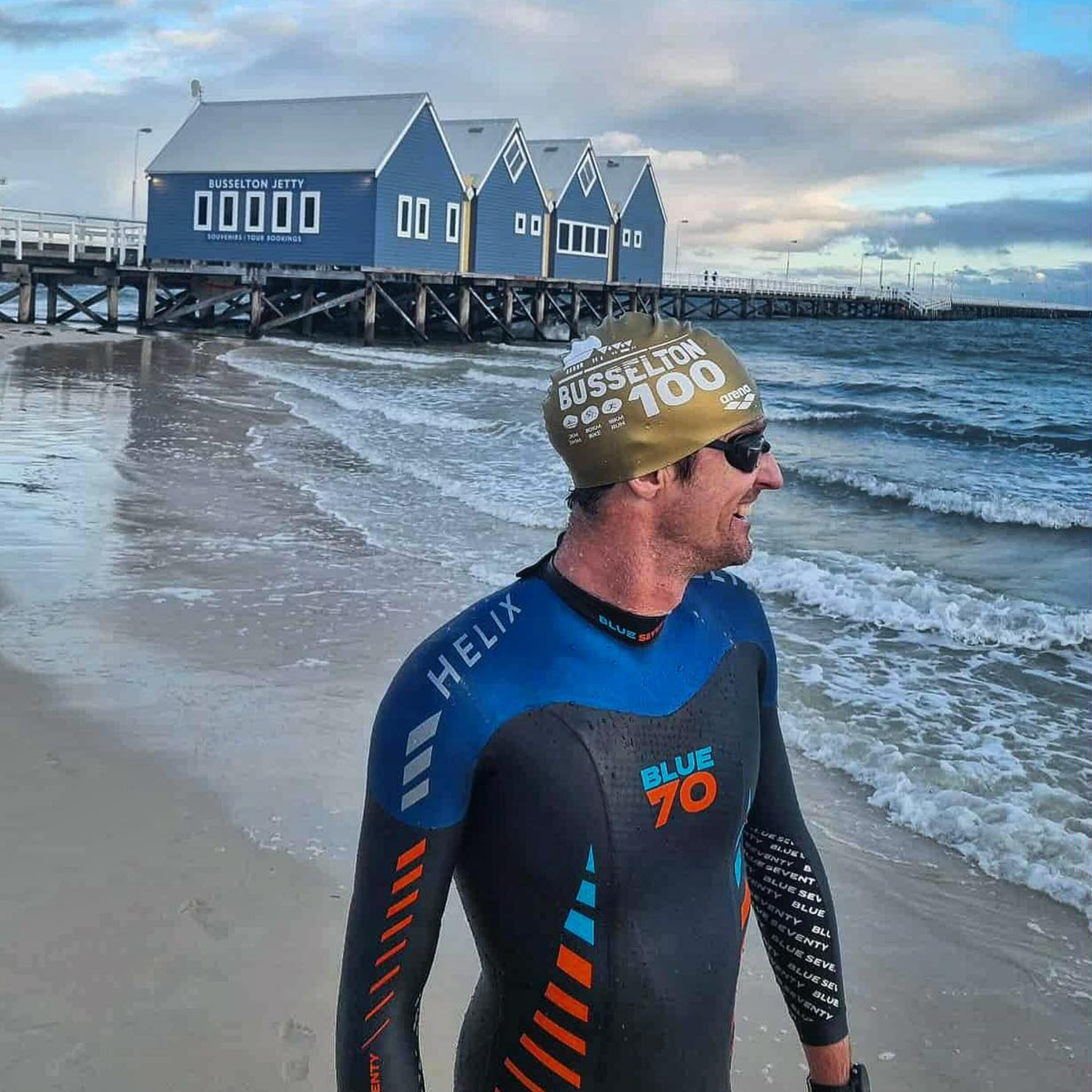
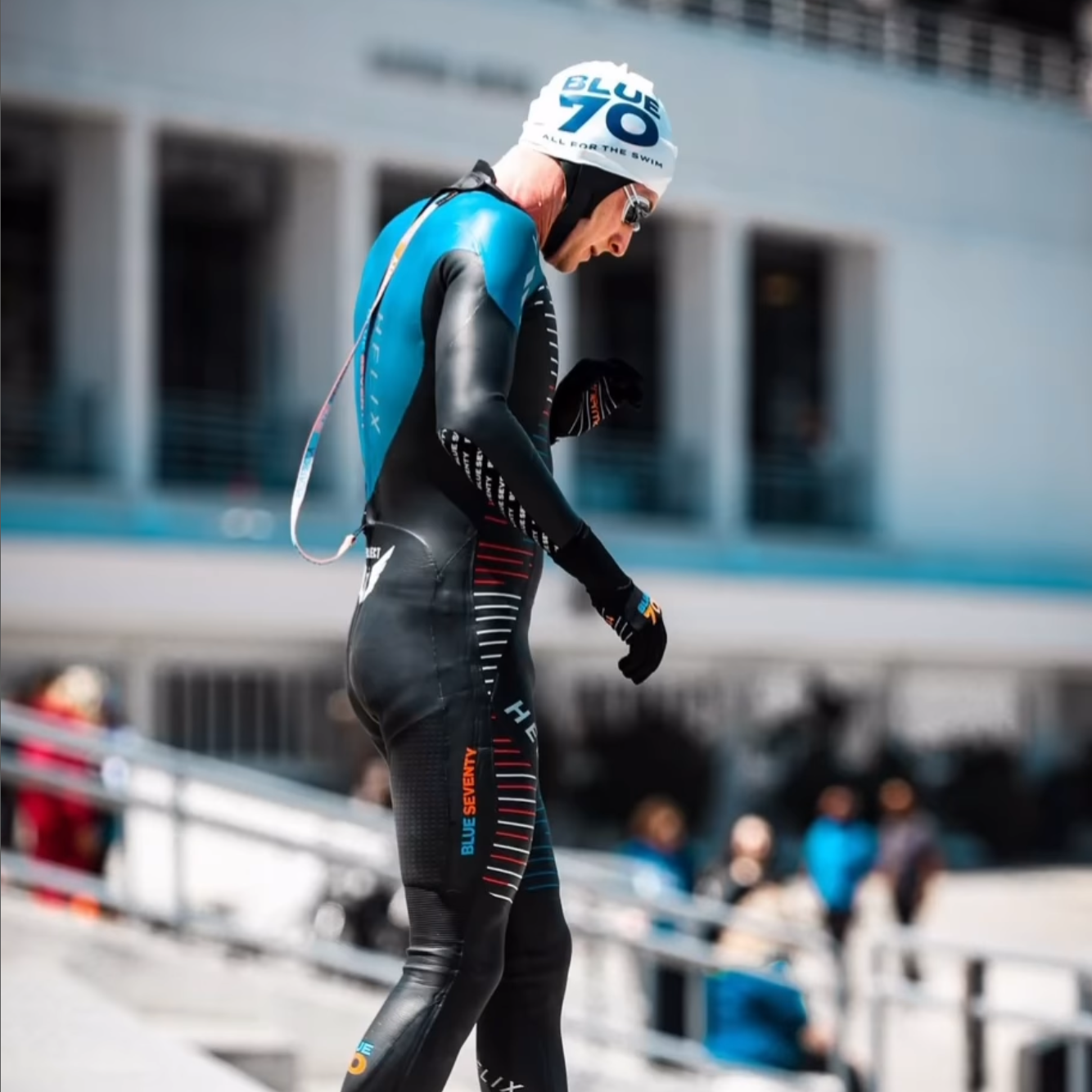
The Helix is the clearest example. Its arms and shoulders use very thin, flexible neoprene, and blueseventy itself notes that this thin neoprene will break down more quickly with heavy training use. Adding hot dye and chemicals on top of normal wear stresses the areas that are least tolerant of abuse. If you race in a Helix, a stiffer shoulder panel works against the suit's design.
Warranty
blueseventy's warranty covers manufacturing and material defects for one year for the original owner. It does not cover heat damage, chlorine damage, or damage from non-swimming use. Dyeing changes the suit from its original manufactured condition. If the suit fails after being dyed, that failure is not a manufacturing or material defect. Before you treat a suit with any chemical, check the warranty page on blueseventy.com.
What to do instead
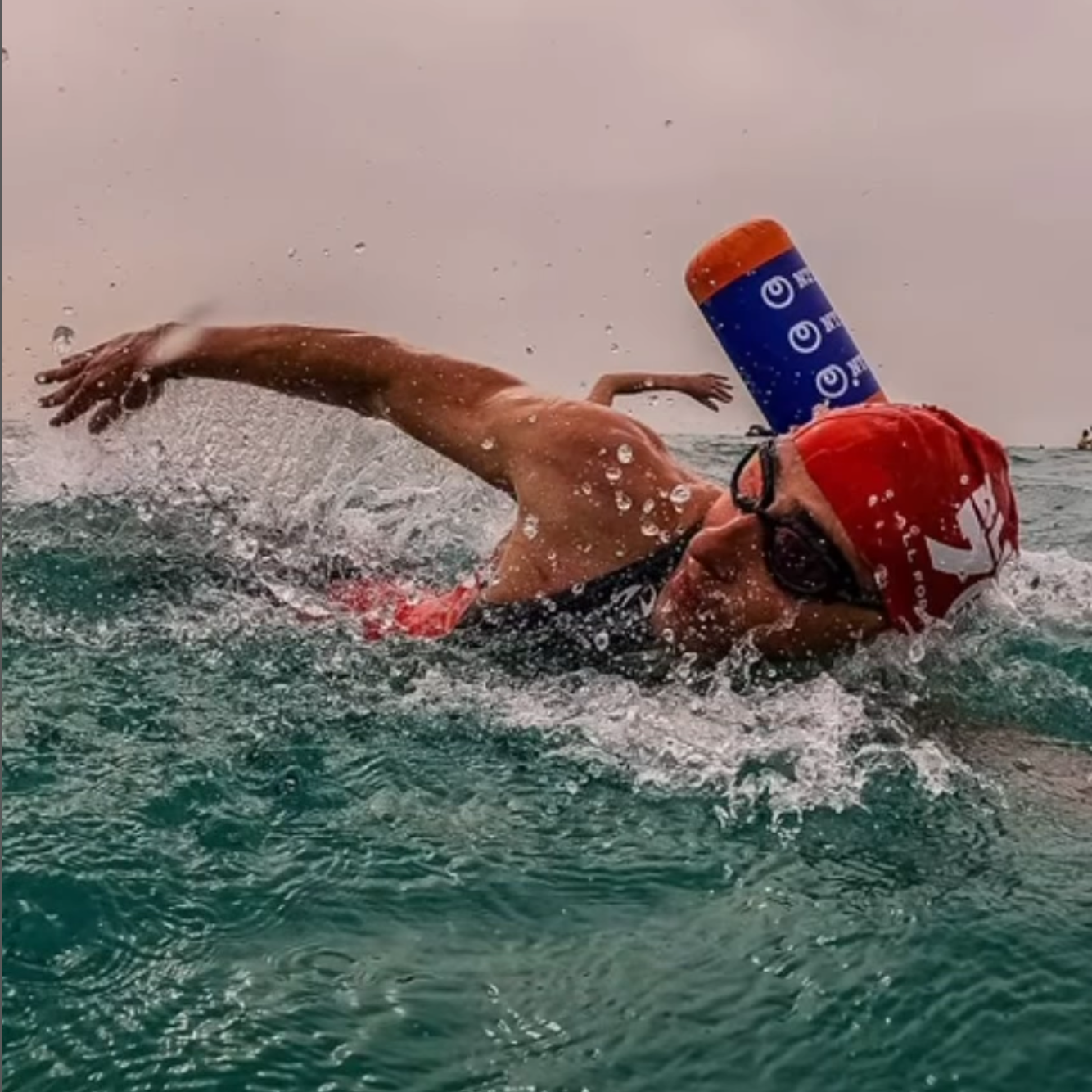
If you want more visibility in open water, add a bright swim cap or a tow float. blueseventy also makes thermal accessories and swim gear, so the suit isn't the only place to add color. If you want a different suit color, pick that colorway when you buy. A factory color won't rub off or fade the way a home dye job will.
Rinse your suit in cool fresh water after every swim, dry it out of direct sun, and store it away from heat. That routine does more for the life of the suit than any color change.
If you're replacing a suit or choosing your first one, the wetsuit sizing tool on blueseventy.com can help you find your size in 30 seconds. Choose the color you want at purchase and leave the dye out of the water. Happy swimming.