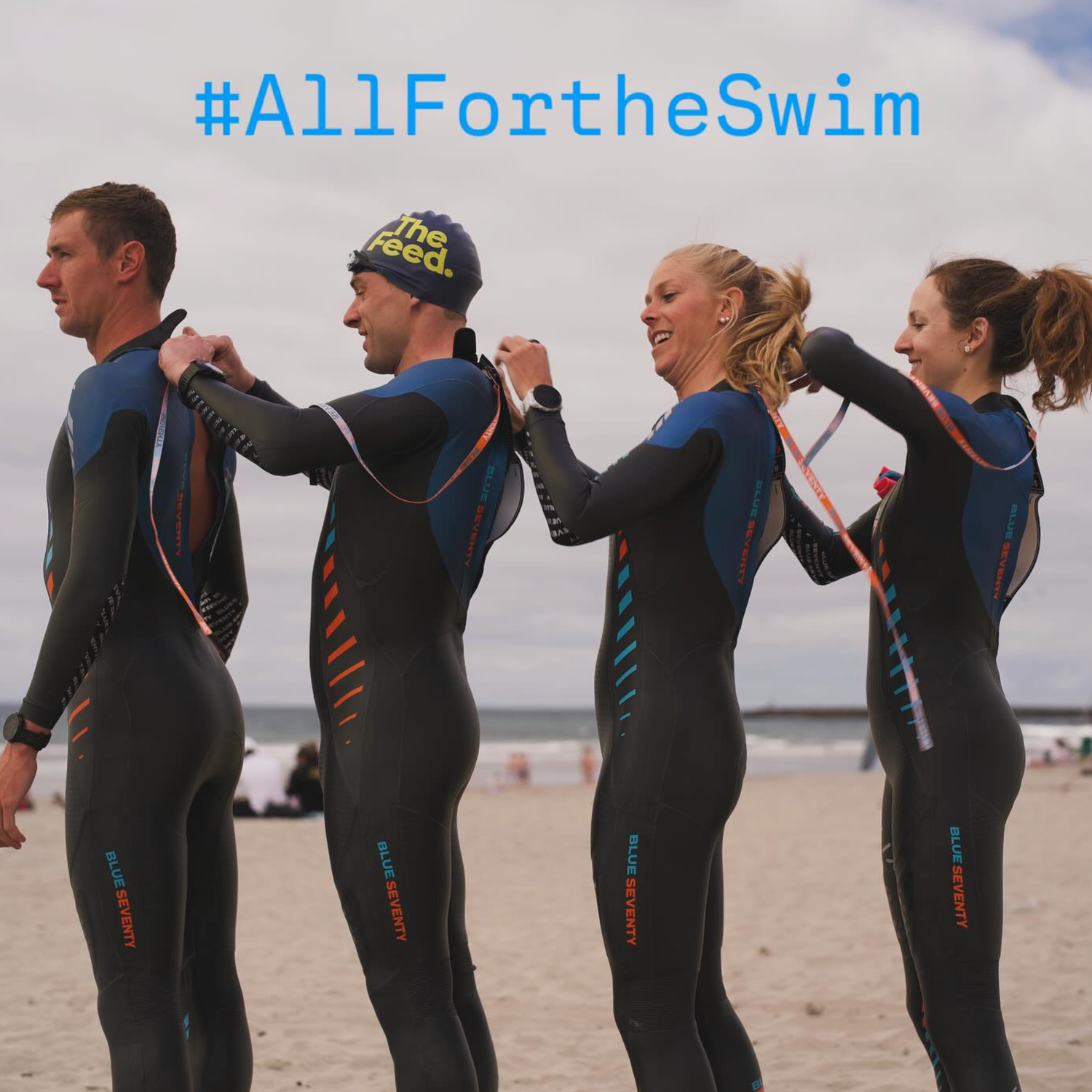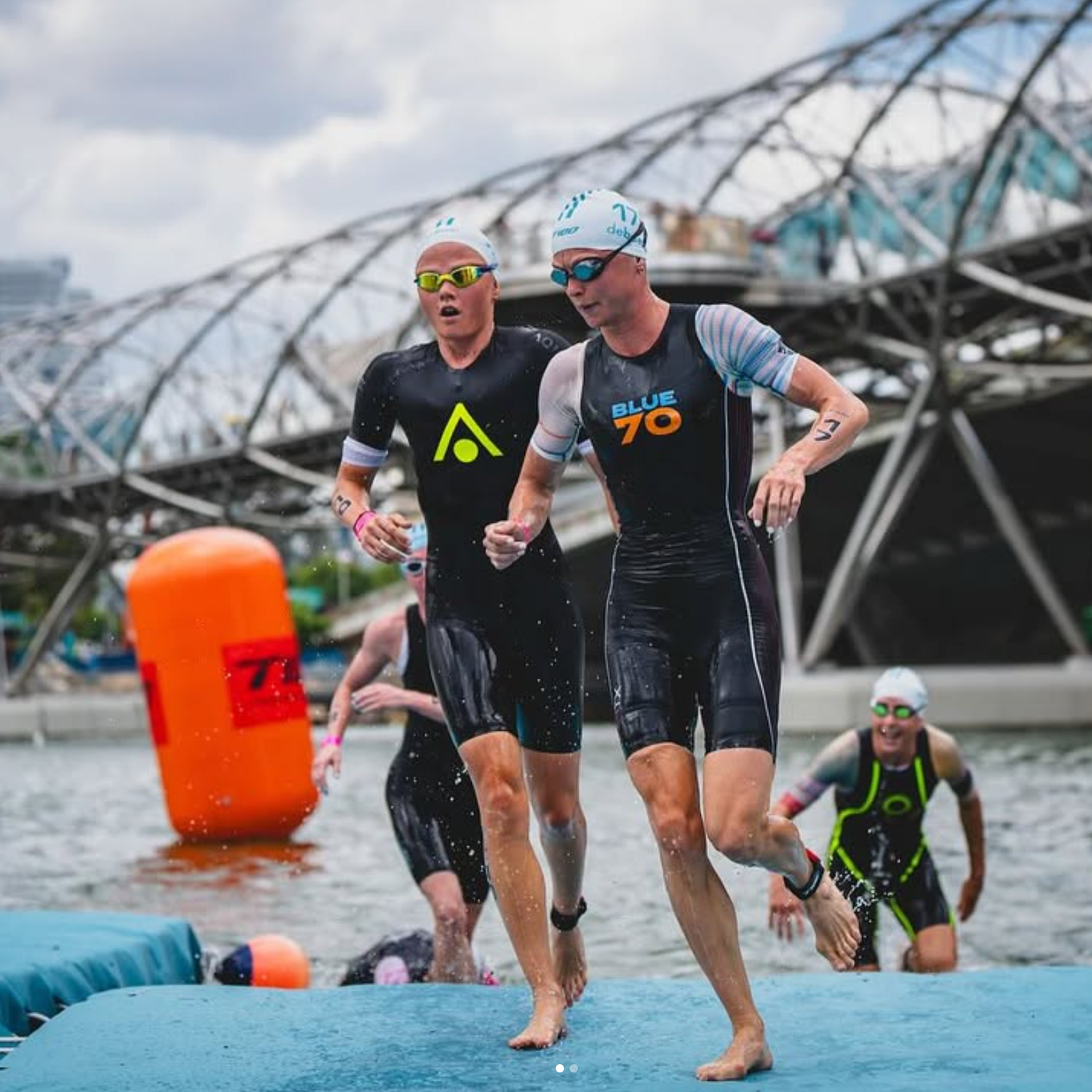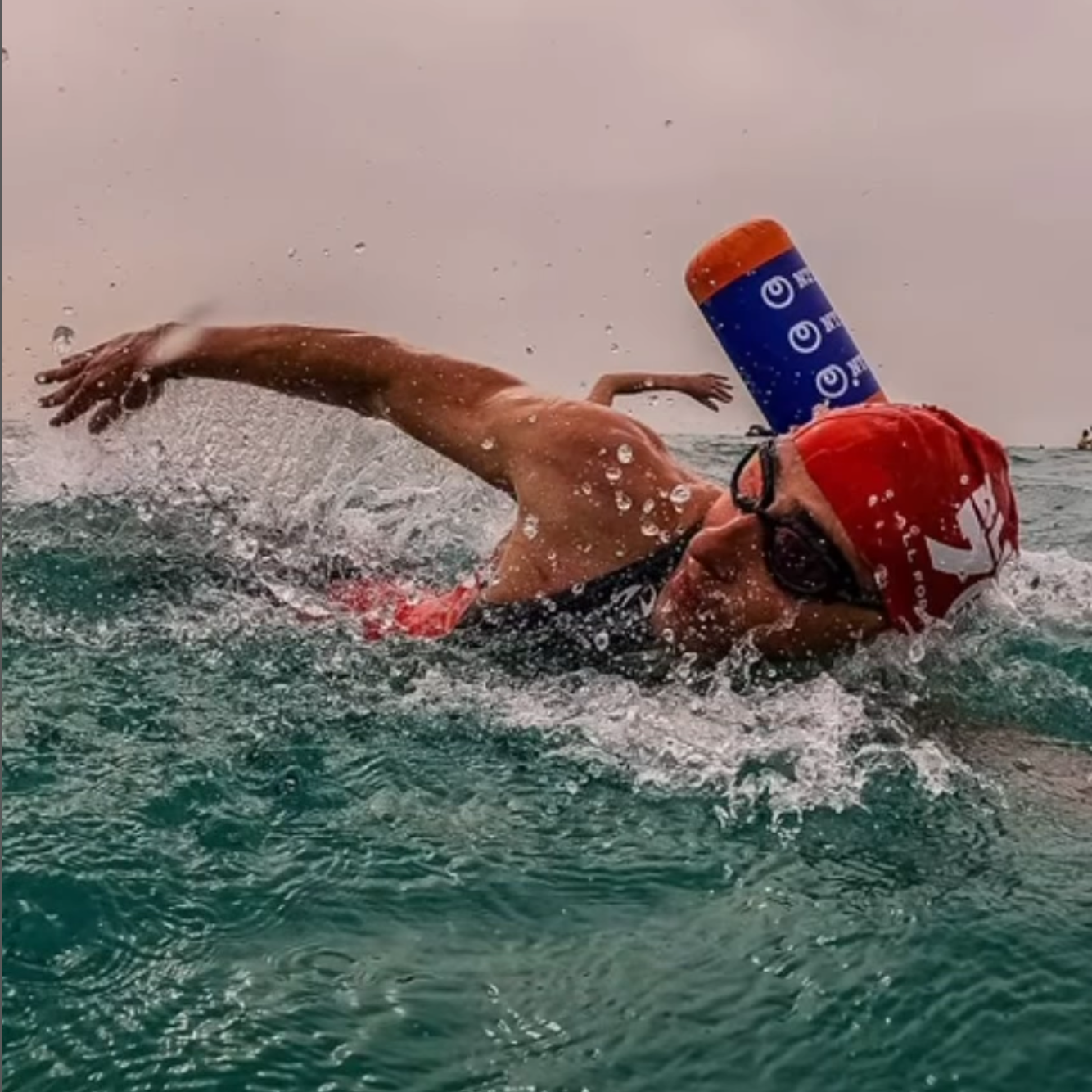



The idea of trimming a sleeve here or opening up a neckline there is tempting, especially when you’re chasing that perfect, second-skin feel. But a swim-specific wetsuit isn’t a pair of jeans - it’s a piece of technical endurance equipment. So let’s talk through what’s possible, what’s smart, and why, more often than not, the best alteration is no alteration at all.
The Short Answer
While it is physically possible to make small trims, most DIY modifications do more harm than good. A performance wetsuit is engineered to balance stretch, buoyancy, and hydrodynamics in a very specific way. Cutting into that design can ruin the suit’s feel for the water, introduce drag, and create weak spots that tear over time. The much better path is to get the sizing and model right from the start - and with blueseventy’s Test Swim policy, you can try a suit in the water and still exchange it if the fit isn’t right.
Why a Wetsuit Isn’t Just Fabric
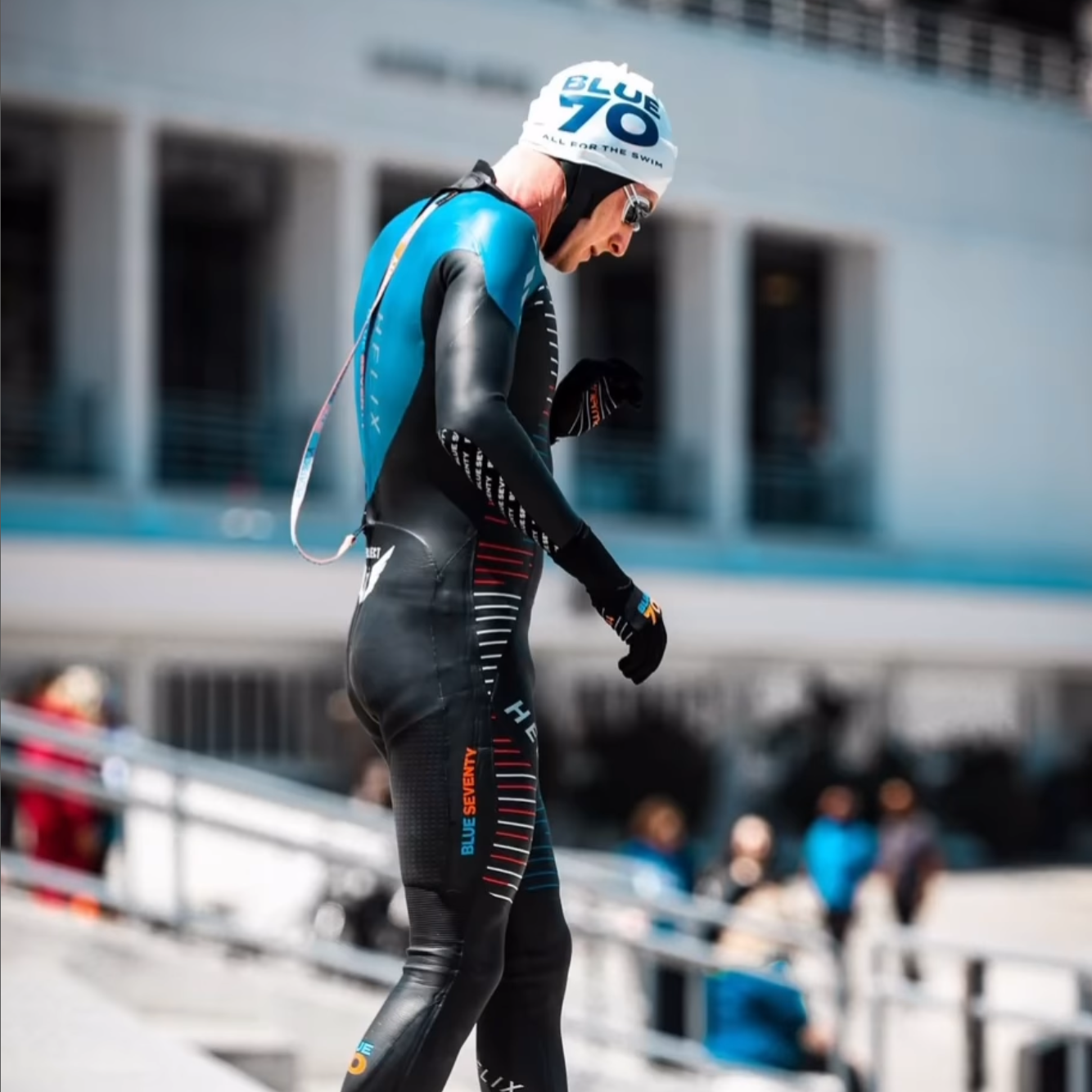
Blueseventy wetsuits are built from high-grade Yamamoto neoprene, with different cell structures and thicknesses placed exactly where they’ll enhance body position and reduce restriction. In a suit like the Helix, LIFT buoyancy panels and a permeable catch panel are integrated into the construction; they work as a system. Cutting into that system - shortening legs, tapering the cuffs, or trying to loosen the neck - changes the suit’s structural integrity and the way it distributes buoyancy around your body. What starts as a “simple fix” can throw off your hip lift, cause water to pool in the wrong places, or make the shoulders work harder.
Fit Is in the Sizing, Not the Scissors
If your wetsuit feels too tight across the chest, too long in the arms, or too loose around the torso, the real issue is almost certainly size or model - not that the suit needs to be rebuilt. Blueseventy’s size charts are a great starting point, but the surest test is a swim. A properly sized wetsuit should feel snug, even a little compressed, on dry land. In the water, the neoprene relaxes, and that snugness becomes a comfortable, efficient second skin.
That’s why the brand’s Test Swim policy exists. You can buy a suit, swim in it, and - as long as it’s returned clean, dry, and with tags attached - still make an exchange or get a refund within 30 days. It takes the guesswork out of ordering and all but eliminates the pressure to “make it work” with scissors.
What About Minor Tweaks (Cuffs, Neck, Ankles)?
Some swimmers wonder about carefully trimming the wrist or ankle seals to ease donning or reduce a tight ring of pressure. Technically, it can be done with sharp shears and a steady hand. But it’s not something we generally recommend, for a few reasons:
- Warranty. Any structural modification immediately voids the one-year warranty on manufacturing defects. If a trim leads to a tear later on, that damage isn’t covered.
- Seal integrity. The tapered edges at cuffs and ankles are designed to keep water exchange to a minimum. Even a slight trim can break that seal, letting in more water and creating drag.
- Finish. Raw cut neoprene can fray or crack over time, especially in chlorinated or salt water, unless it’s professionally sealed again - and that’s a job for a factory, not a garage workbench.
For neck comfort, a common approach is to stretch the neckline gently before a swim, or to use a small amount of lubricant to prevent chafing - no cutting required. If the neck still feels overly restrictive, it’s a sign that you might be in the wrong size or need a model with a lower-cut neckline, like the Fusion (redesigned in 2021 specifically for that reason) or the women’s Femme Fit suits.
How Femme Fit Already Solves Women’s Fit Challenges
If you’re a female swimmer who’s ever thought, “I wish I could just lower the neck just a bit” or “the zip doesn’t give me enough room over my hips,” know that those alterations have essentially been built into the wetsuit already. Blueseventy’s Femme Fit - available across every women’s model - incorporates a refined pattern at the bust and torso, a lowered neckline to reduce chafing, and an extended zipper length for easier entry and faster transitions. Combined with up to 15 sizing options, the range is designed to dial in fit without anyone reaching for a sewing kit.
When Alteration Becomes a Repair
It’s worth distinguishing between a post-purchase alteration and a repair. Small tears from fingernails or a nick from a sharp edge can often be stitched or sealed with neoprene cement - a standard part of wetsuit care. That’s not altering the suit’s shape; it’s restoring it. As long as the repair doesn’t change the panel geometry, it won’t void the warranty. For more significant damage, though, contacting us is the safest route.
Better Alternatives to Cutting
If your suit doesn’t feel quite right, try these steps first:
- Donning check. An improperly pulled-up suit is the most common fit complaint. Use the pads of your fingers, not your nails, and work the neoprene up into your underarm and crotch in small, patient increments. Our fit guide video shows the technique.
- Model swap. A full-sleeved Reaction might give you more room across the shoulders than a racing-fit Helix. A sleeveless suit or a Glide Short John can solve arm mobility or overheating issues instantly. If your season involves cold water, the Thermal Reaction provides extra lining and a slightly different inner feel.
- Size exchange. If you’re between sizes, sometimes going up one size in a different model delivers the sweet spot. Our support team can help you cross-reference your measurements with multiple suits.
And if you do end up with a suit that’s just a little too short in the limbs? Return it. Don’t try to lengthen it.
The Bottom Line
Altering a blueseventy wetsuit to fit better is almost never the answer. The suits are designed to perform as a complete system, and the best way to get that locked-in feel is to find the right size and model - not to cut into a precision-engineered garment. With the Test Swim guarantee, there’s no risk in ordering a suit, swimming in it, and making a change if it’s not your perfect match. Good fit is a swim-saver, and it’s always waiting off the rack, not on the cutting board.
Ready to find your perfect fit without the scissors? Dive into our size charts and fit guide, or reach out to our team for a personalized recommendation. All for the swim.