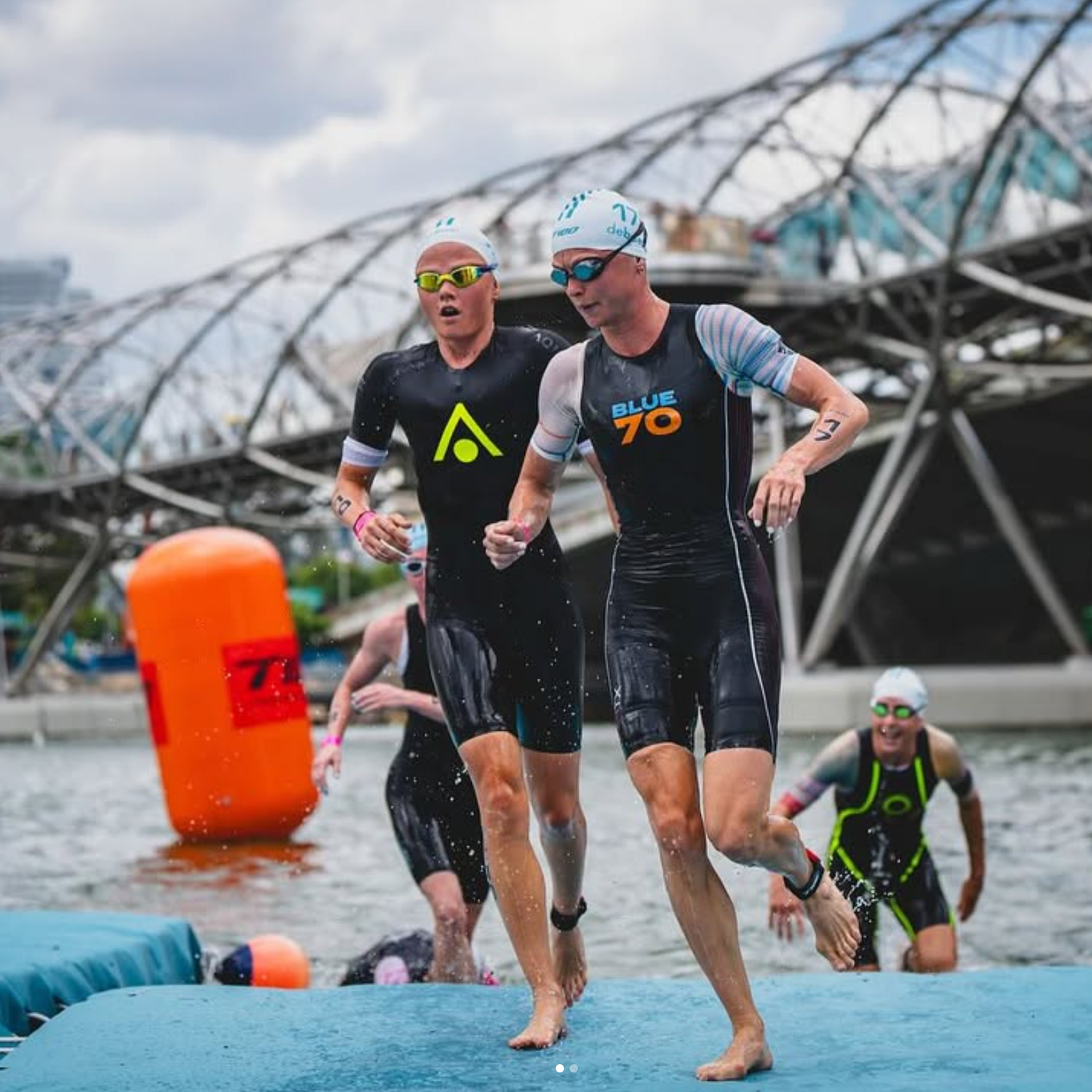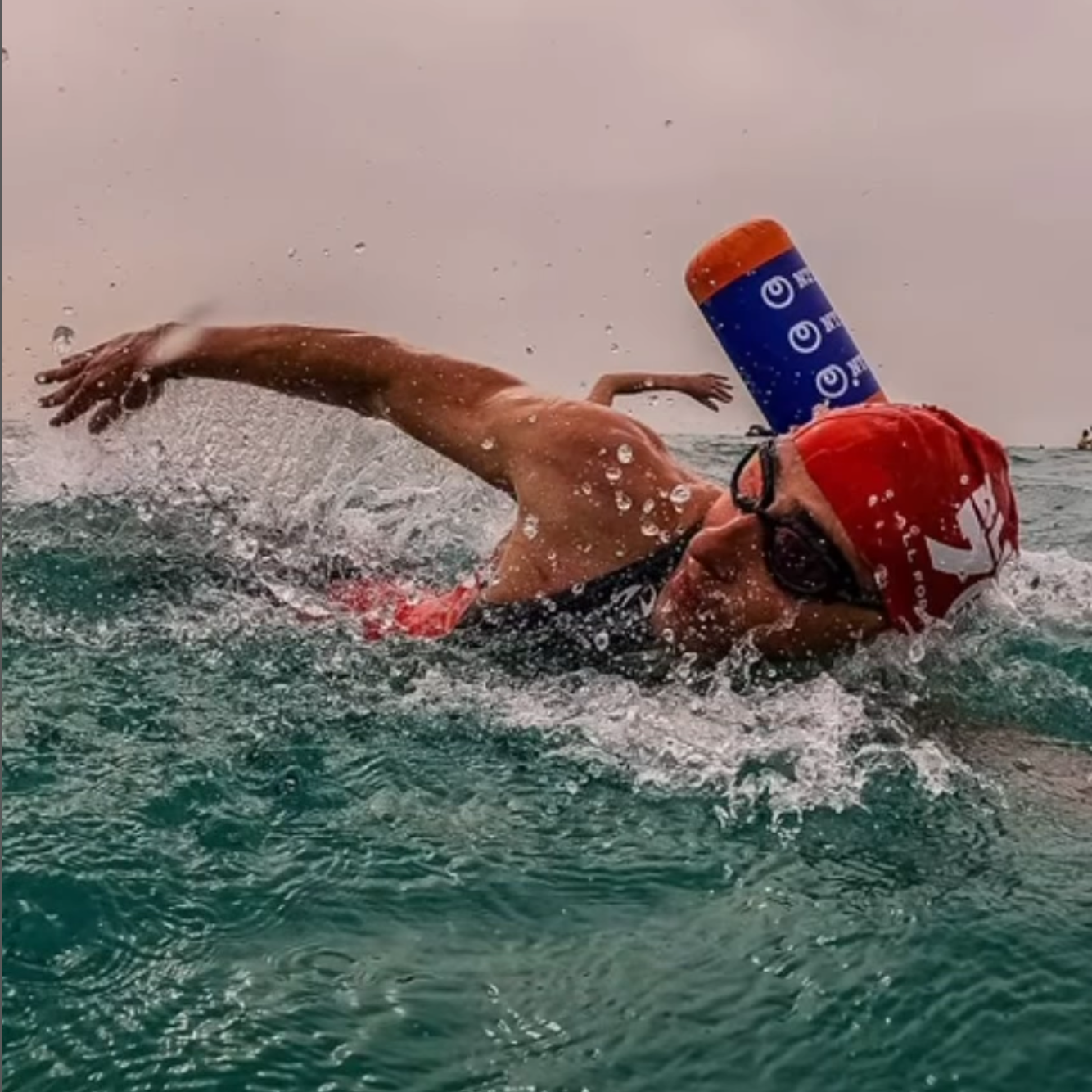



Most wetsuit size charts ask for two numbers: height and weight. Neither number tells you how a suit fits across the back. A 6-foot, 175-pound swimmer with a 46-inch shoulder circumference and a 31-inch waist will not share a size with a 6-foot, 175-pound runner whose shoulders measure 40 inches. The first body binds in a medium across the upper back. The large fits the shoulders but sags around the lower back and hips. The missing variable is surface area: how your chest, shoulders, waist, hips, and thighs distribute the same total mass.
A wetsuit works as a second skin. Neoprene panels wrap around the body, so fit depends on circumference at the shoulder, chest, waist, hip, and thigh more than on total weight. Height and weight charts serve bodies near the middle of the bell curve. Athletic builds sit outside that middle. Broad shoulders, a narrow waist, and muscular glutes and quads push the same height and weight into a different panel shape. This post gives you a method that starts with the measurements that actually matter.
Measure Before You Open the Chart
Take two numbers before you look at a size chart. Wrap a soft tape measure around the widest point of the shoulders and upper back. Then measure around the widest point of the hips and glutes. If the shoulder number is several inches larger than the hip number, the standard chart will work against you. Also measure torso length from the base of the neck to the top of the hips. A long torso pulls a small suit upward and creates a neck seal that rides high and tight.
If any one of these measurements puts you in a different size than your height and weight suggest, trust the circumference measurement as the starting point. Broad shoulders create two fit problems. The first is stretch across the upper back and chest when you extend your arm. The second is entry: a suit sized to the torso can be hard to pull over the shoulders without using fingernails, which puncture neoprene. Use the pads of your fingers only. If the suit is nearly impossible to get over the shoulders, the size or cut is wrong before you reach the water.
The Donning Step Athletic Swimmers Skip
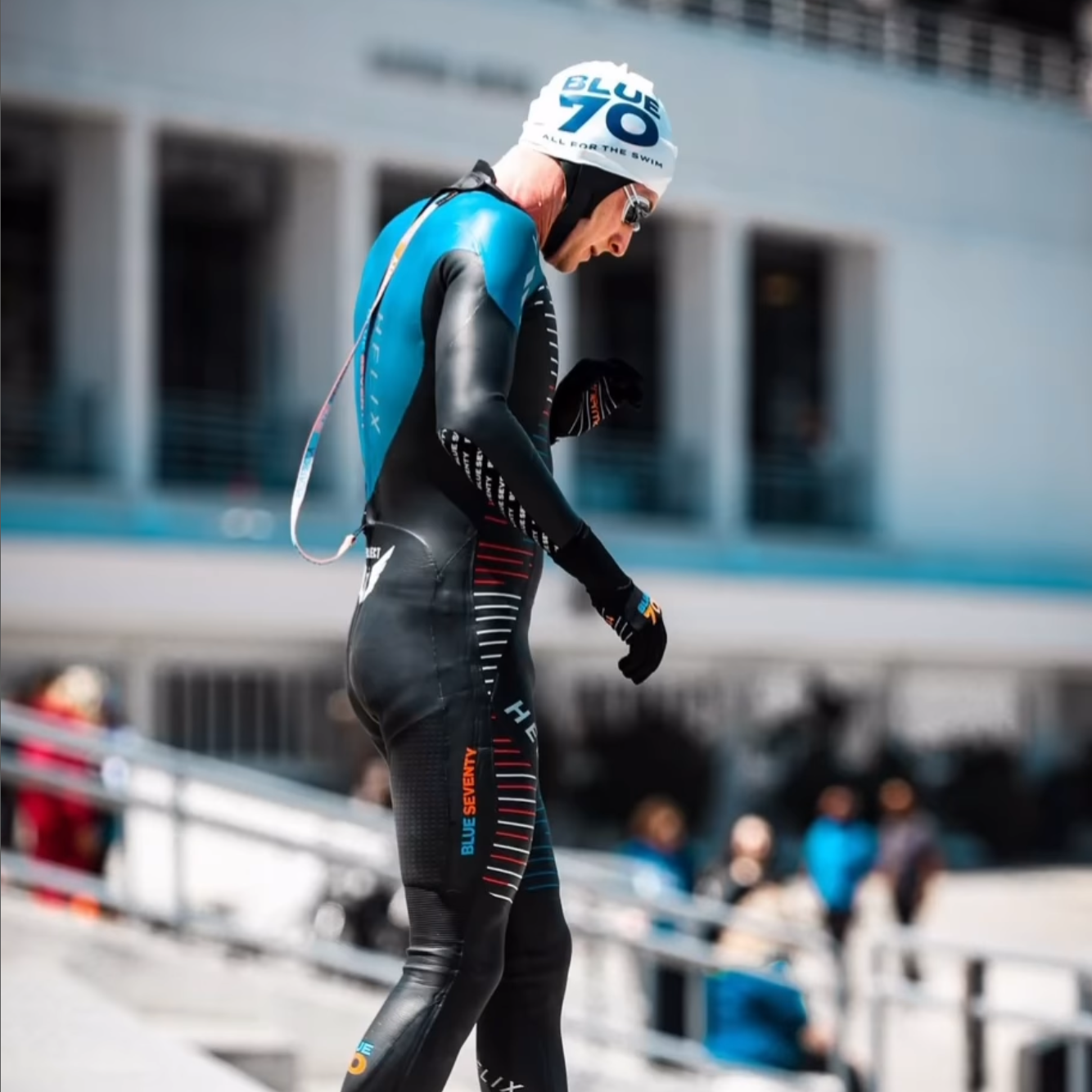
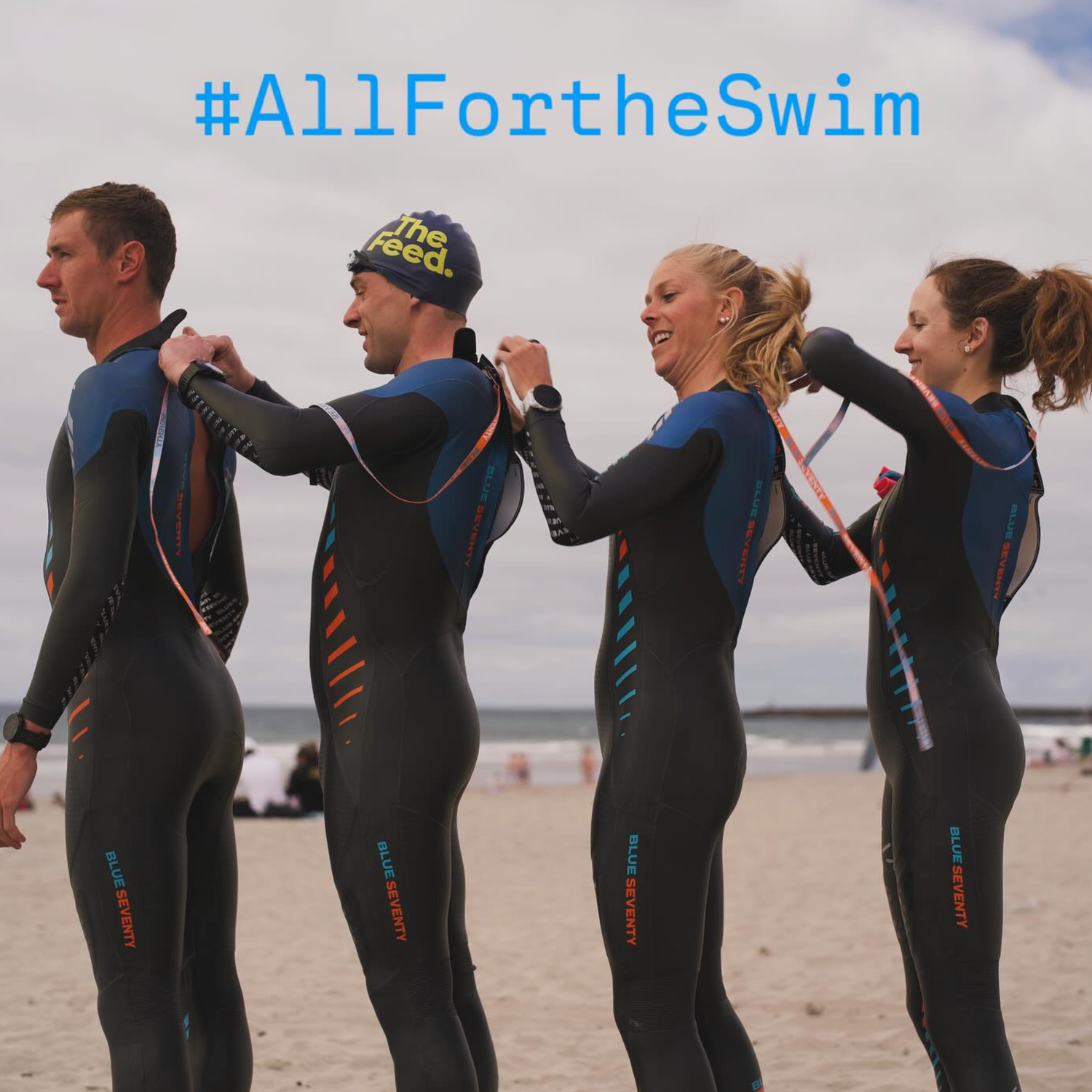
Most shoulder binding starts before the suit is fully on. Pull the suit up in small increments using the pads of your fingers, never the nails. Work the material over the calves, thighs, and hips first. Once the suit reaches the hips, bend forward slightly and pull the torso section up. Then slip each arm through one at a time. The shoulders go on last. Yanking from the neckline or using nails creates small tears and stretches the shoulder panel unevenly.
When shoulder panels are tight, the muscles of the upper back work against the neoprene with every stroke. That extra resistance accumulates over a long swim and often gets misread as poor fitness. A correctly fitted suit lets the arm move through the catch without fighting the material. That freedom matters in the water.
Neoprene Grade Changes the Fit Equation
Blue70 wetsuits use Yamamoto neoprene in 38, 39, and 40 cell. The higher the number, the more flexible the neoprene. That flexibility matters at the shoulders. A thin, flexible shoulder panel can stretch over a broad back without forcing you to size up. The Helix uses thin, flexible neoprene in the arms and shoulders for exactly that reason. If you train frequently, the trade-off matters: the Helix's thin neoprene breaks down more quickly than the higher-grade material in the Reaction or Fusion. Broad-shouldered swimmers who train weekly often do better in Reaction or Fusion, even if the size chart suggests a Helix based on race-day goals.
The Fit Test for Broad Shoulders and Narrow Hips
Once the suit is on, run this sequence.
- Raise both arms overhead. If the shoulder panels pull hard enough to limit the reach, the suit is too small across the upper back.
- Reach across your body with each arm. Clasp your hands in front and rotate your torso. Test whether the neoprene restricts the movement.
- Check the lower back and glutes. A small amount of neoprene bunching at the lower back can be normal when standing on land. Large folds that stay when you extend into a streamlined position mean the suit's hip pattern is too big.
- Check the neck seal. Look down and swallow. A seal that chokes or gaps signals a size or adjustment issue.
- Check the ankles and wrists. Water enters through any gap, so those openings should close without cutting off circulation.
A suit that sags around the hips reduces the body-position benefit. The buoyancy in the legs and hips needs to sit against the body, not float off it. This is the practical meaning of buoyancy equals speed. If the suit is loose at the hips or lower back, water flushes through and the panels shift. A proper fit keeps the buoyancy where it belongs.
Women's Athletic Builds and Femme Fit
Athletic women face the same shoulder-to-hip ratio issue plus bust, hip, and torso differences that a unisex pattern can miss. Blue70's Femme Fit addresses this. The pattern adjusts the bust, torso, wrists, and ankles, and it was expanded to 15 sizing options in 2014. For broad-shouldered women, two details matter. The lowered neckline reduces chafing and pressure at the front of the neck. The extended zipper length makes entry easier and accommodates wider hips without forcing the shoulders through a narrow opening. If you have an athletic build, start with a women's-specific model rather than sizing up in a unisex cut.
Choosing a Blue70 Model When You're Between Sizes
Start with water temperature and training frequency. If you swim in water above roughly 70°F to 72°F, a sleeveless suit removes the shoulder fit variable entirely. The Reaction Sleeveless and Glide Short John are options in that category. If you need a full suit for colder water, let your shoulder circumference pick the size, then check the neck and hips.
For race-day use, the Helix has the most flexible shoulder panels in the Blue70 wetsuit line. For weekly training, the Reaction is built for frequent, longer swims, and the Fusion is a practical choice for shorter frequent swims. The Sprint is the entry-level full suit; it fits a broader range of body types but carries fewer of the shoulder-specific design details.
Verify Fit in the Water
Dry-land fit is only a first pass. Blue70's Test Swim policy lets you swim in a wetsuit and still return or exchange it within 30 days as long as it comes back clean, dry, unmodified, and with tags and accessories. Take advantage of that. In the water, pay attention to shoulder fatigue, water pooling at the lower back, and whether the neck seal stays comfortable during rotation to breathe. A suit that feels snug on land should feel more natural in the water. If it doesn't, the size or model is wrong.
Athletic builds need a sizing method that starts with surface area, not weight. Measure your shoulders and hips before you open the chart. Choose the model that matches how often you train. Then verify in the water. You can start with a Test Swim.