


Broad shoulders create a familiar problem in wetsuit fitting. The suit goes on, the zipper closes, and everything seems fine until the stroke starts to feel short and heavy. A few minutes later, the shoulders burn, the catch slips, and the suit that looked right on land suddenly feels wrong in the water.
Most swimmers blame shoulder width alone. In practice, that is only part of the story. A swim-specific wetsuit has to match the way freestyle works. If the fit is off through the lats, upper chest, torso, or underarm, the shoulders are usually where the problem shows up first. That is why broad-shouldered athletes need to judge a wetsuit by movement, not by whether it simply zips.
The useful question is not, Can I get this on? It is, Can I rotate, extend, and hold a clean catch without the suit pulling me out of position? Once you look at fit through that lens, shopping gets easier and race-day surprises become less likely.
Why broad shoulders expose fit problems quickly
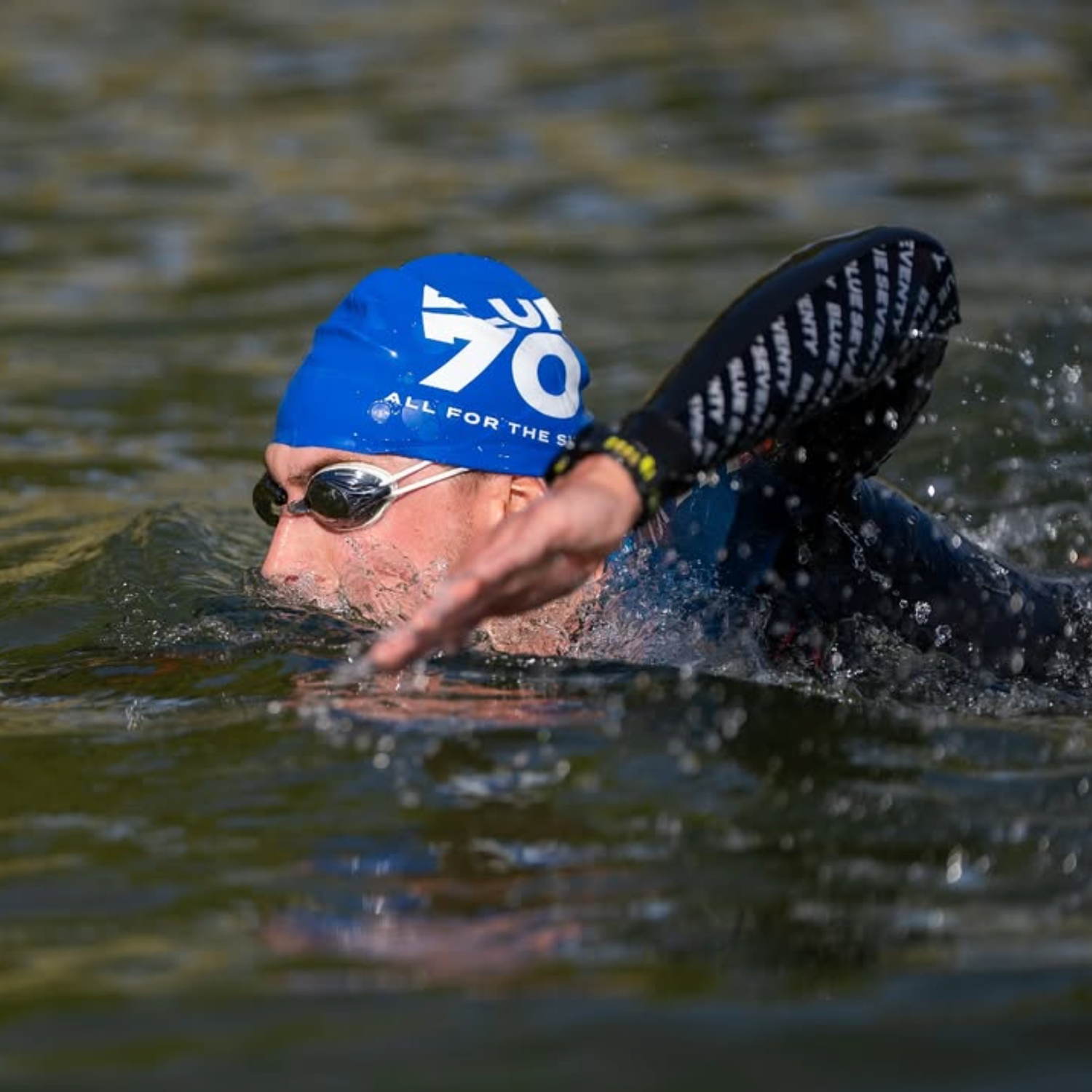
Freestyle asks a lot from a wetsuit. The swimmer needs forward reach, torso rotation, scapular movement, and a stable catch, all while the suit supports body position in open water. If neoprene is too tight across the upper back or under the arms, the first thing many swimmers lose is length at the front of the stroke. The hand still enters the water, but extension shortens and the catch starts too soon.
That change adds up fast. Once the stroke shortens, smaller muscles around the shoulder begin to do work that should be shared by the back and torso. The result is a suit that feels tiring, even if it looked acceptable in the mirror a few minutes earlier.
Broad-shouldered swimmers notice this quickly because they ask more from the upper body of the suit. That is not a disadvantage. It is useful feedback. A poor fit becomes obvious before race day instead of halfway through the swim.
The real trouble spot often starts at the lats
Many athletes describe restriction as a shoulder issue, but the more important area is often lower and farther back. The lats connect torso rotation to the pull phase of freestyle. When a wetsuit is short through the torso or tight through the underarm, tension builds there first. The shoulder then starts compensating.
This is why a suit can feel passable during a quick try-on and then feel restrictive once you mimic a real catch. If the neoprene does not allow enough freedom where extension turns into pressure on the water, the stroke loses rhythm.
For broad-shouldered swimmers, this matters because upper-body fatigue often begins as a chain reaction:
- Restriction through the torso or underarm limits extension.
- Limited extension disrupts the catch.
- A compromised catch increases effort per stroke.
- Extra effort shows up as shoulder fatigue.
That is why the best wetsuit for broad shoulders is rarely the one with the most room in the shoulder cap alone. The better suit is the one that lets the whole upper-body movement pattern stay intact.
Why sizing up is not always the answer
When a swimmer feels tightness through the shoulders, the first instinct is often to move up a size. Sometimes that helps. Often it creates a new set of problems. Extra volume through the waist, lower back, or hips can let water move more freely inside the suit and reduce the clean, supported feel that helps body position.
A bigger suit can also change how the neckline sits and how the suit comes off in transition. For triathletes, both matter.
The better sequence is straightforward:
- Put the suit on carefully and pull all material fully into place.
- Check how the suit feels in swim-specific positions, not just standing upright.
- Decide whether the restriction is coming from setup, sizing, or model choice.
Broad shoulders deserve a better fitting process than an automatic size jump.
Donning matters more than most swimmers realize
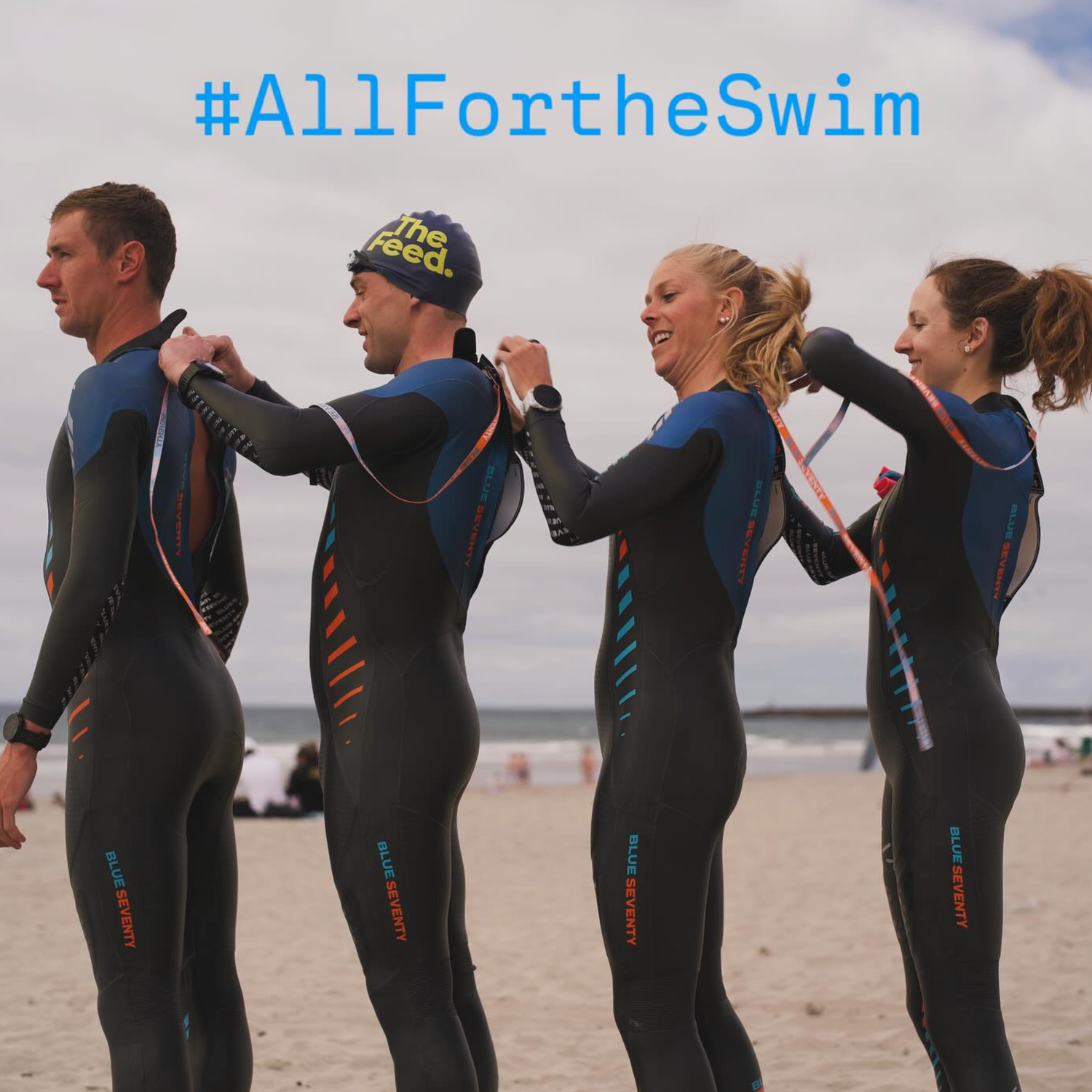
A lot of shoulder complaints are really setup errors. This is one of the biggest reasons swimmers misjudge wetsuit fit.
If neoprene is left hanging low in the calves, knees, quads, or hips, the upper body pays for it. The suit may still zip, but it effectively steals length from the torso. That missing length shows up as pressure across the chest, tension in the underarms, and resistance through the lats and shoulders.
Broad-shouldered athletes feel this quickly because there is less margin for error in the upper body. If the suit is not fully worked upward, the stroke will tell you.
A properly fitted wetsuit should feel snug on land. It should also feel more natural once the material is positioned correctly and you get in the water. If the shoulders still feel loaded after careful setup, then you are looking at a real fit issue.
What swim-specific design changes for broad-shouldered athletes
Swim-specific wetsuit design changed the standard for what athletes should expect. The goal is not only buoyancy or thermal protection. The goal is to support body position while preserving stroke mechanics.
Blueseventy builds its wetsuits with Yamamoto neoprene in 38, 39, and 40 cell constructions, with higher cell numbers offering more flexibility. For a broad-shouldered swimmer, that difference is noticeable where it counts most: the arms, shoulders, and upper back during recovery and extension.
That said, more flexibility comes with trade-offs. The most flexible race-day neoprene is not always the best match for frequent training use. Blueseventy has been clear about this in its own lineup.
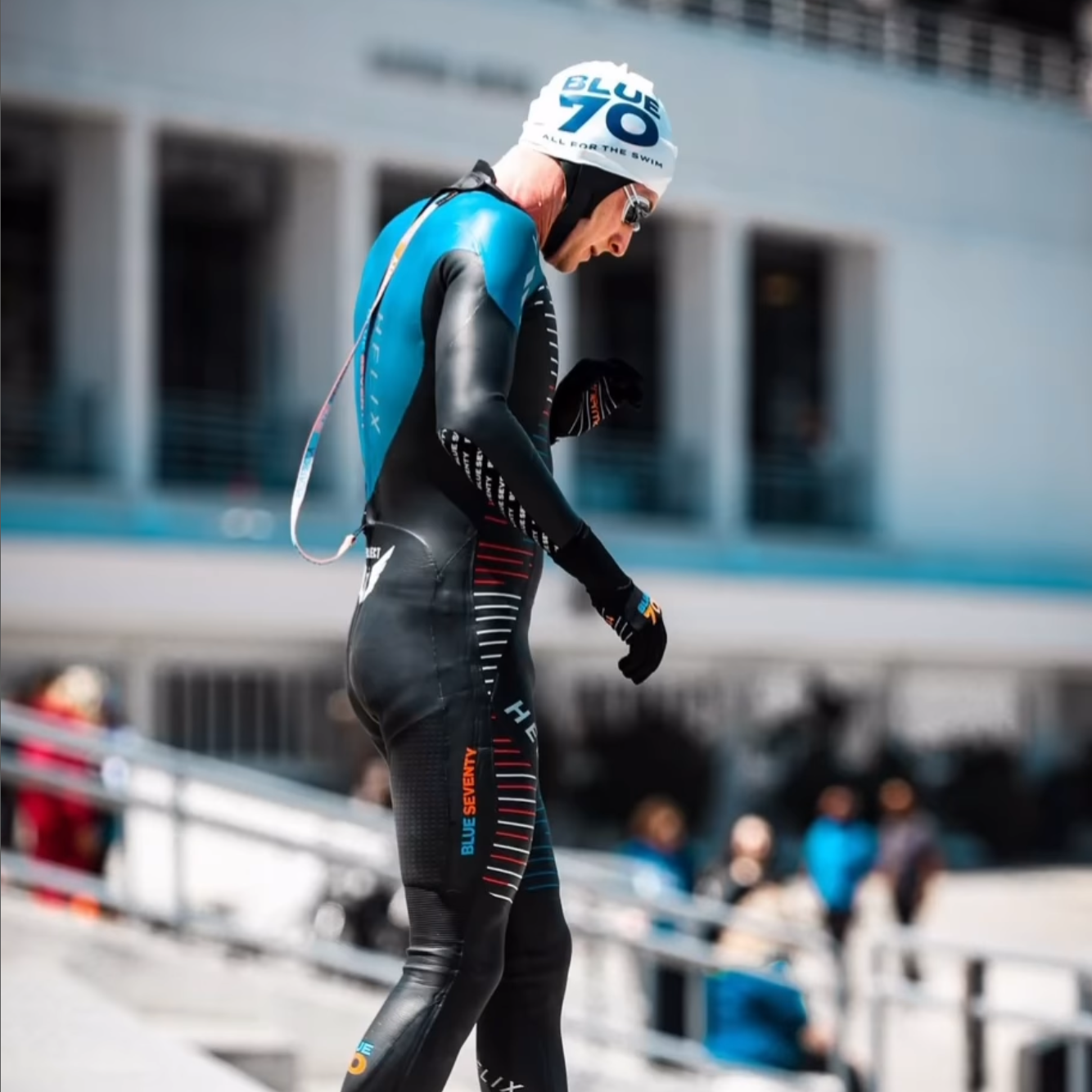
- Helix is built for race-day performance, with very thin, highly flexible neoprene through the arms and shoulders, plus LIFT buoyancy panels.
- Reaction is a strong choice for frequent and longer swims when you want performance with more day-to-day practicality.
- Fusion works well for shorter frequent swims, and the 2021 redesign added a lower-sitting neckline for comfort without losing the watertight seal.
For a broad-shouldered swimmer, the decision is not about chasing the top model by default. It is about matching shoulder freedom, durability, and swim frequency to the way you actually train and race.
Full sleeve or sleeveless?
Some broad-shouldered swimmers assume sleeveless is the automatic fix. Sometimes it is the right answer. Sometimes it solves the wrong problem.
A sleeveless suit removes neoprene from the shoulder joint, which can feel better right away. It also makes entry easier and can be a smart option in warm water or for swimmers who strongly prefer a more open shoulder feel. But if the root issue is trapped material lower in the suit or poor torso fit, sleeveless design only changes where the restriction shows up.
Water temperature matters too. Blueseventy’s published guidance places purpose-built thermal suits in the conversation below about 56 to 58°F, while above about 70 to 72°F a full suit can feel too warm over longer swims. Inside that middle range, stroke feel and fit often decide the best option.
If your full-sleeve wetsuit is fitted correctly and supports your stroke, broad shoulders alone do not rule it out.
How to test shoulder fit the right way
Mirror checks do not tell you enough. Movement checks do.
Forward reach
Extend both arms as if you are lengthening into freestyle. You should feel firm support, not a hard stop across the upper back, chest, or underarm.
Catch position
Set one arm into an early catch. If the suit pulls sharply at the shoulder or drags the elbow out of position, the upper body is under too much tension.
Relaxed recovery
Lift the elbow into a natural recovery path. If you have to shrug or force the motion, the suit is limiting your stroke.
Breathing check
Take several full breaths. The suit should feel snug and close, but breathing should stay controlled.
Swim test
Water gives the final answer. A short swim reveals whether the suit holds body position while still letting you swim your normal stroke. Blueseventy’s Take a Test Swim policy is useful here because you can swim in the wetsuit and still return or exchange it if it comes back clean, dry, unmodified, and with tags and accessories.
Women with broad shoulders need a whole-body fit
For many women, shoulder fit is tied to other parts of the pattern. Bust fit, torso length, hip entry, wrist closure, ankle fit, and neckline comfort all affect how tension spreads through the suit. If one area sits wrong, the shoulders often end up absorbing the problem.
Blueseventy’s Femme Fit approach addresses critical fit areas including the bust, torso, wrists, and ankles. It also uses a lowered neckline for comfort and reduced chafing, plus an extended zipper length that makes entry easier and accommodates wider hips. That whole-body pattern matters because a wetsuit that aligns correctly through the torso often feels better at the shoulders too.
Shoulder comfort starts with overall alignment, not shoulder room alone.
A simple way to choose the right blueseventy wetsuit
Start with how you plan to use it.
- Choose Helix if race-day performance is the top priority and you want maximum flexibility through the shoulders and arms.
- Choose Reaction if you swim often and need a balance of shoulder freedom and regular-use practicality.
- Choose Fusion if comfort, value, and shorter frequent swims lead the decision.
- Choose Reaction Sleeveless if you want easier entry, a more open shoulder feel, or a warm-water option.
- Choose Thermal Reaction if your swims regularly fall into cold-water conditions, roughly below 56 to 58°F, and you need added thermal protection designed for swimming.
Broad shoulders are useful feedback
There is a useful contrarian point here. Broad shoulders make a poor fit easier to detect. A swimmer with a smaller upper frame can sometimes tolerate a wetsuit that is only adequate. A broad-shouldered swimmer usually gets honest feedback right away. If the torso is short, the underarm is tight, or the shoulders are overloaded, the stroke exposes it.
That is a good thing. It pushes you toward a better standard. Instead of judging fit by whether the suit closes, you judge it by whether it lets you swim well.
Final takeaways
If you have broad shoulders, do not shop for room alone. Shop for stroke quality. The right wetsuit should support body position, preserve extension, and let you hold your catch without building unnecessary tension through the lats and shoulders.
That usually comes down to three things: proper setup, the right model for how often you swim, and a pattern that matches your body well enough to let freestyle happen naturally.
If you are narrowing down options now, start with the size charts, review the fit guide, and then Take a Test Swim before race day. Broad shoulders are not a problem to work around. They are clear feedback about what a swim-specific wetsuit needs to do.