


You found a swimrun wetsuit marked down, and the price looks good. Before you click buy, check the warranty page. Fit matters more than discount.
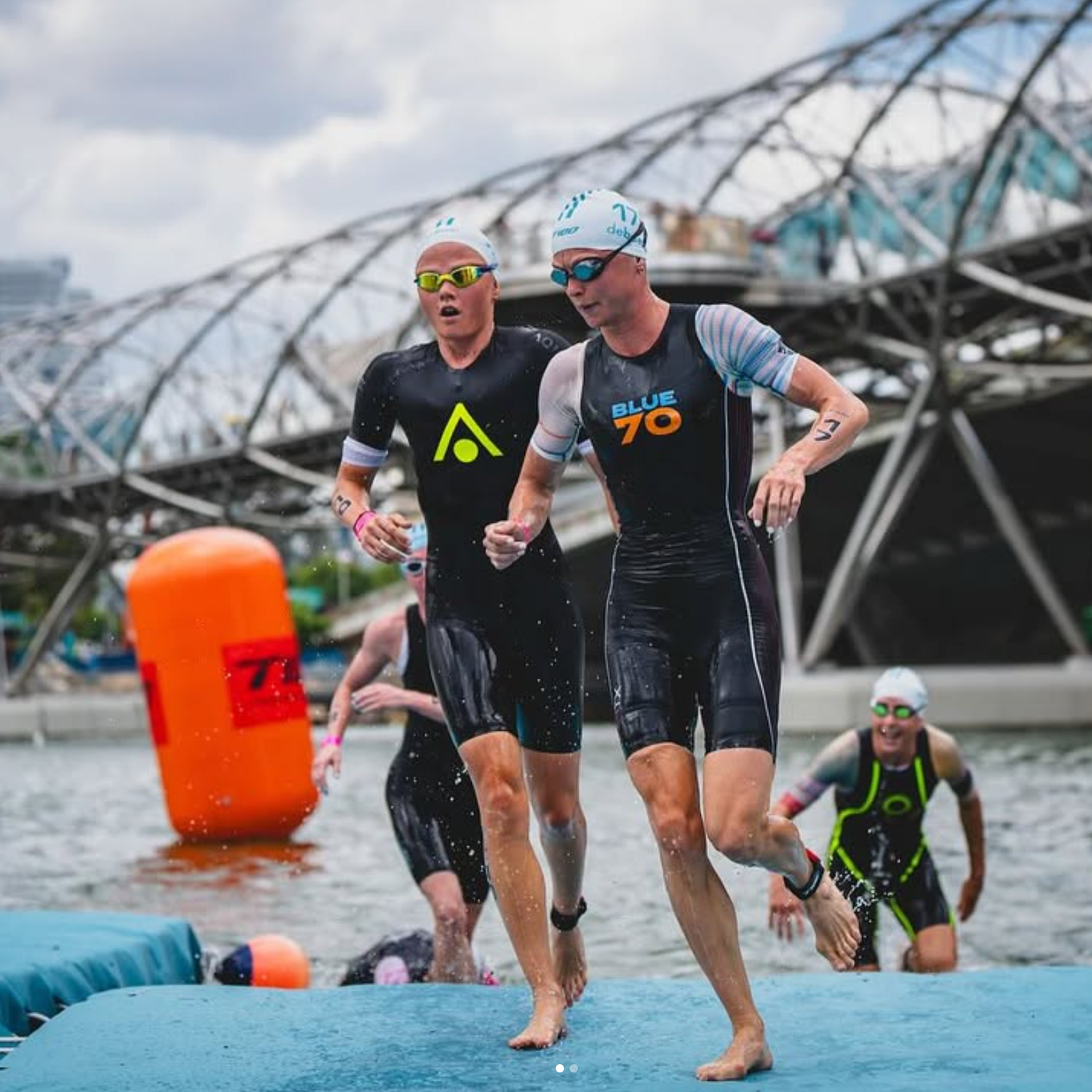
Swimrun courses alternate open-water swims and trail runs without a transition tent. That means one suit has to do two jobs. It has to give you buoyancy and shoulder freedom in the water, then let you run with a full stride on land. It also has to survive repeated entries, exits, rocks, and hours of wear. A triathlon wetsuit is built for one continuous swim and a fast removal. It is not automatically a swimrun wetsuit.
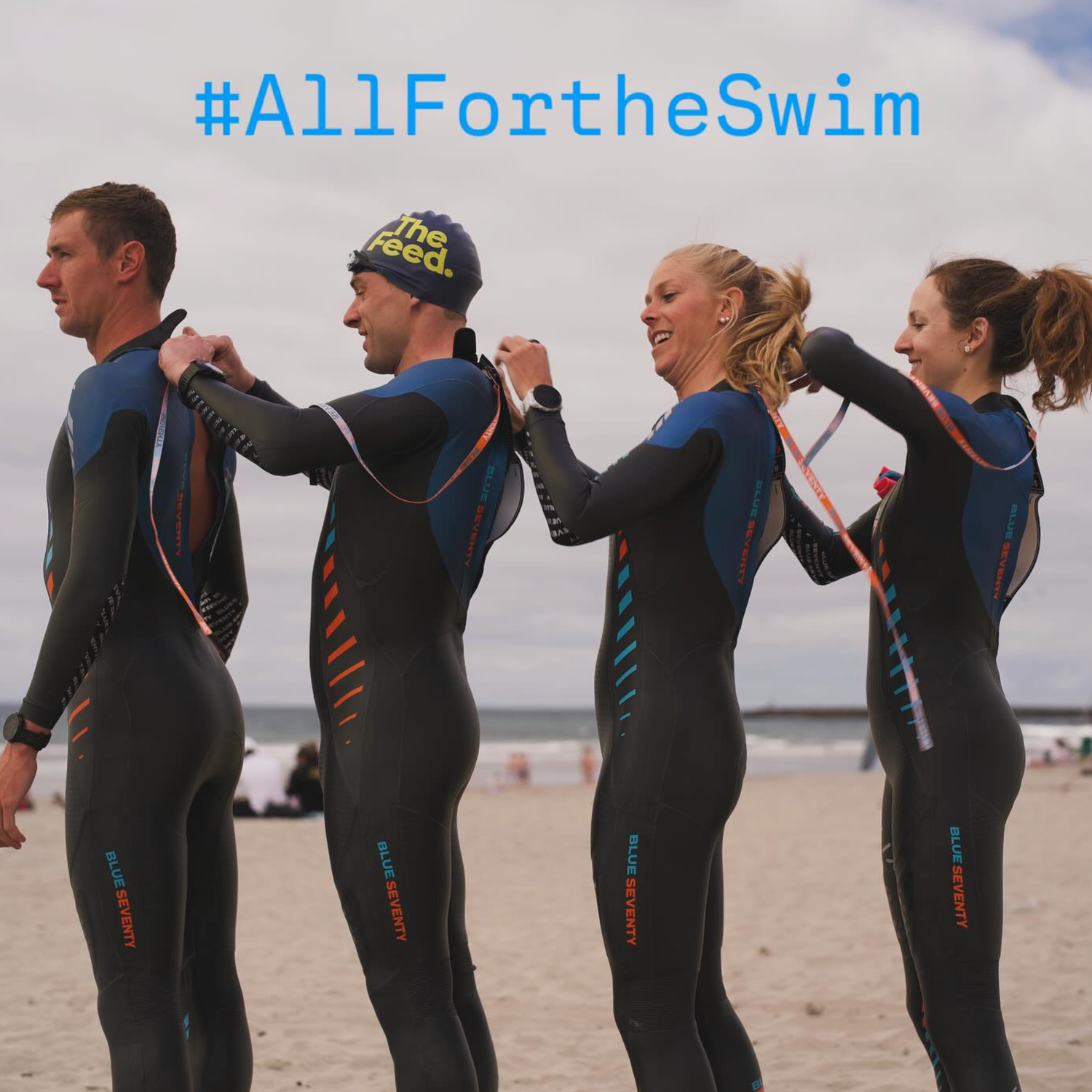
blueseventy's swimrun-specific model is the Alliance SwimRun. It carries a standard price of $275 and is the only suit in the line warrantied for swimrun use.
Read the Warranty Before the Discount
Standard wetsuit warranties cover manufacturing and material defects. They do not cover damage from using a suit outside the sport it was designed for. Running in a triathlon wetsuit can stress the zipper, seams, and lower-leg panels in ways the warranty may not recognize. blueseventy's one-year warranty covers manufacturing and material defects for the original owner and provides a repair-only remedy. Swimrun use is covered only on the Alliance. That sentence matters more than the discount. A lower price on a non-swimrun suit could leave you without warranty support the first time you run in it.
Before you judge any sale price, check three things:
- Confirm the model name. A discounted listing can mix categories or show last year's triathlon suit.
- Read the warranty language for swimrun use.
- Check the return policy, not just the price.
Fit for the Run, Not Just the Swim
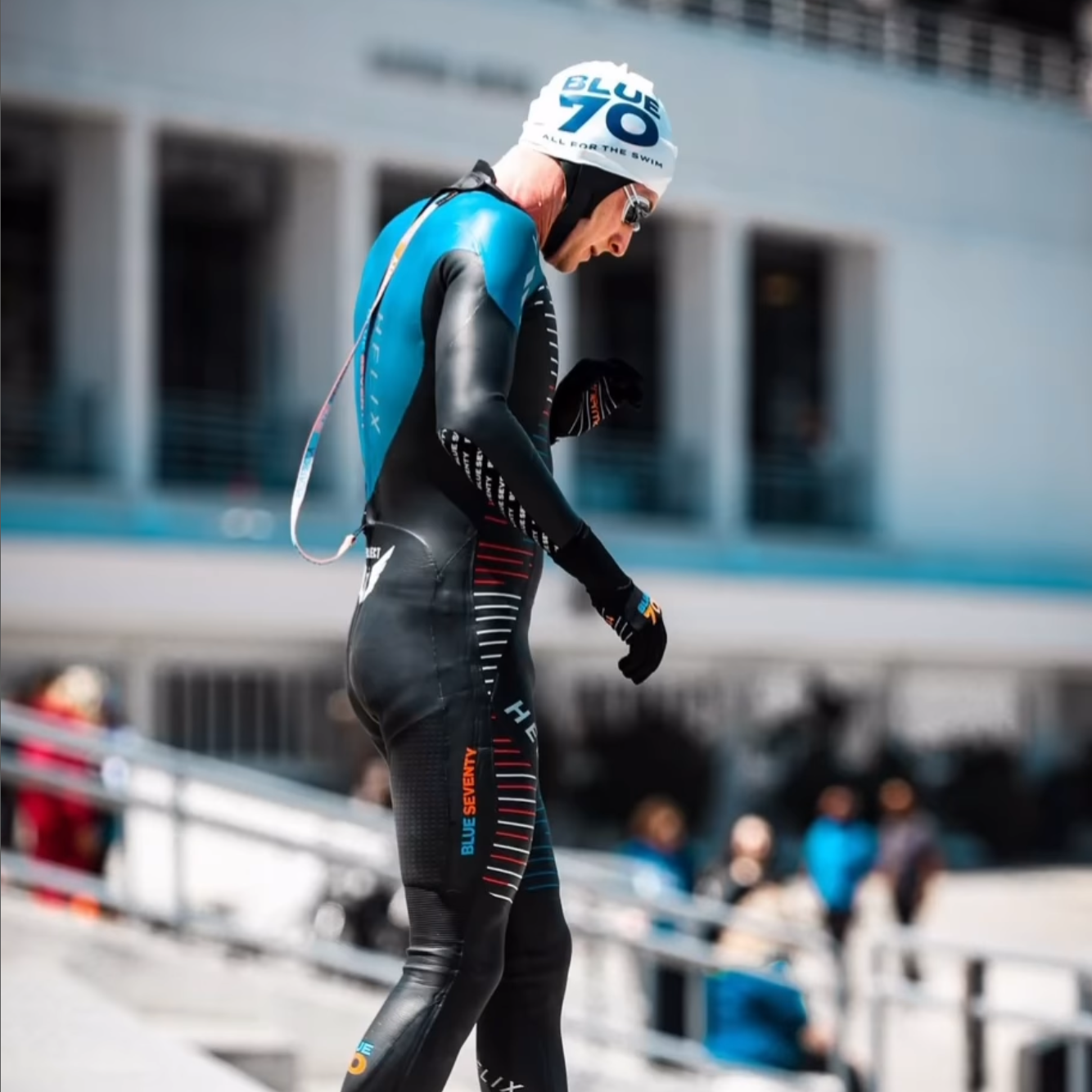
A wetsuit that fits well in the water can still restrict your running stride. Swimrun cuts use shorter legs and adjust the neck and shoulder panels so the suit works in both positions. Test the fit by moving through a running stride, not standing still in front of a mirror.
For women, blueseventy's Femme Fit sizing changes the pattern in the bust, torso, wrists, ankles, and zipper length across the women's line. Use the size chart before you buy. If you can, try the suit in person. The Test Swim policy lets you swim in a wetsuit and still return or exchange it if it comes back clean, dry, unmodified, and with tags attached. That policy is more useful during a sale than the percentage off.
When a Sale Actually Makes Sense
A swimrun wetsuit sale makes the most sense when you already know your size in the model or when you need a second suit for training and travel. If this is your first swimrun suit, start with fit and warranty, then let price be the tiebreaker. A lower price cannot fix a neck that chafes on the run or a zipper that slows you between swim legs.
Water temperature changes the math, too. In water below roughly 56 to 58 degrees Fahrenheit, thermal protection and swim safety matter more than the discount. If you are new to cold water, acclimatize gradually and swim with a group. A suit adds thermal protection; it does not replace judgment or safety planning. Above roughly 70 to 72 degrees Fahrenheit, a full suit may be more than you need over a long course. Match the suit to the water first.
If the sale price still fits, take it. A sale should make it easier to get the right suit, not easier to ignore the fit and warranty.