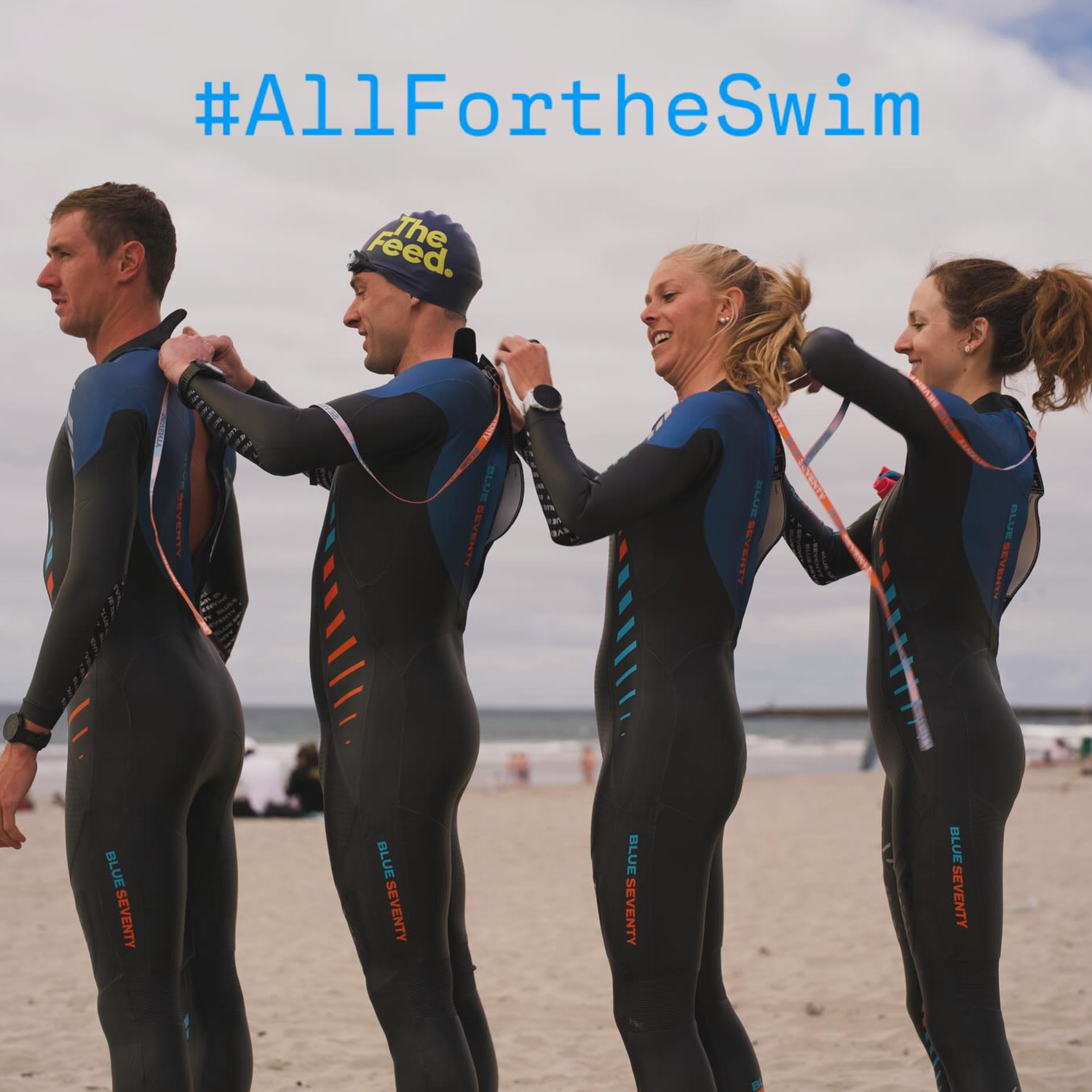



No zipper style is universally easier. A front-zip wetsuit is easier to start because you can see the zipper and the first teeth. A back-zip wetsuit is easier to finish because a long cord does the final work. The deciding factor is which part of the donning sequence gives you trouble.
Where a front-zip helps
You can see the zipper and the first few teeth, so starting the closure is straightforward. You don't need to reach behind your shoulder or guess whether the zipper is seated. The harder part is the finish. Closing a front-zip requires a steady pull up across your chest or torso. If the suit is snug through the shoulders, that final motion can feel awkward until you learn the sequence.
Where a back-zip helps
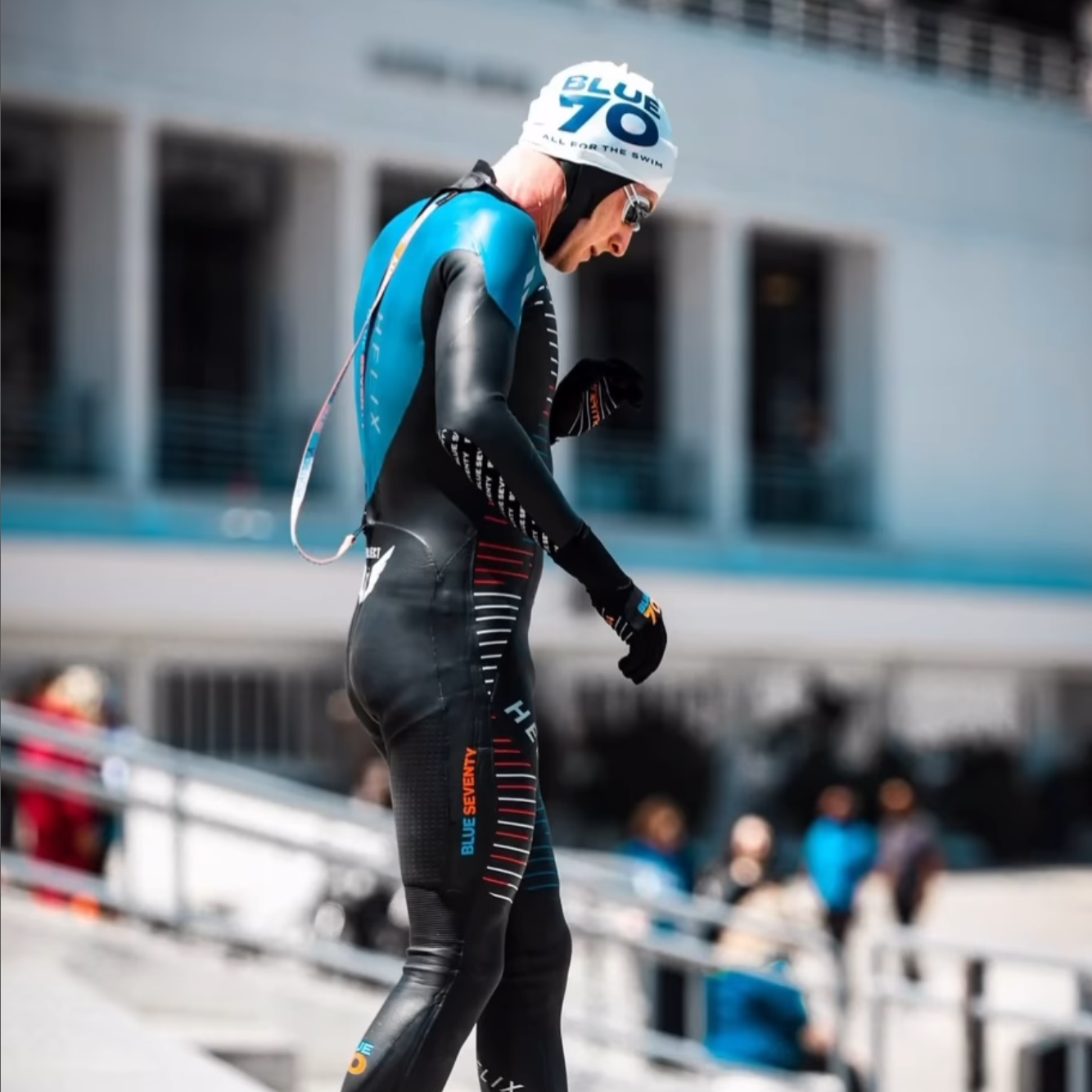
A back-zip uses a long cord or leash. Once the zipper is seated at your lower back, you pull the cord over your shoulder and the zipper follows the track. The hard part is starting the zipper behind your body and making sure the neck flap sits flat before you pull. With practice, that start becomes routine.
Fit causes more donning trouble than zipper location
A suit that is too small through the chest and shoulders makes every zipper feel difficult. A suit that is too large lets water move through the neck and torso, which reduces the thermal protection the suit is designed to offer. Blue70 builds swim-specific wetsuits, not surf or scuba suits. The zipper works as part of a neckline designed to seal without digging in and neoprene that lets your shoulders rotate through a full swim stroke. The Blue70 fit standard stays the same: snug on dry land, more comfortable once you get in the water and the neoprene softens.
If shoulder reach is your main limitation, a sleeveless cut removes part of the problem. The Reaction Sleeveless gives more arm and shoulder freedom for warm-water swimming and can be simpler to pull on because there are no sleeves to work over the shoulders.
A donning sequence that works for either zipper
- Work the legs up first. Pull the neoprene in small gathers instead of yanking from the collar.
- Keep fingernails and rings away from the outer jersey.
- Once the suit is up, seat the neckline and close the zipper with a steady pull along the track.
- If you meet resistance, stop and adjust the suit. Do not force the zipper.
Zipper damage from force is not covered under the Blue70 warranty.
Test it in real water
Zipper ease is hard to judge in a fitting room. Blue70's Test Swim policy lets you swim in the wetsuit and still return or exchange it within 30 days if the suit is clean, dry, unmodified, and has the tags attached. That gives you a chance to practice the full donning sequence in the water, including the zipper, before you commit. Start with the fit guide, then take the suit for a swim.