


Most swimmers do not think about wetsuit repair until a nick turns into a tear. By then, the problem has already grown. A better approach is to treat minor repairs the same way you treat goggle checks, open water practice, or transition rehearsals. Small fixes done early protect the fit, stretch, and feel of a swim-specific wetsuit.
That is where Aquaseal neoprene cement fits in. It is not a miracle product, and it is not the answer to every kind of damage. It is a practical tool for managing small cuts, fingernail nicks, and minor tears before they spread. Used well, it helps preserve the way your suit performs in training and on race day.
The key point is simple: a wetsuit repair should protect function first. If a repair closes the damage but leaves a stiff ridge across a high-stretch panel, the suit may look better on the hanger and feel worse in the water. Swimmers and triathletes need a different standard. The repair has to hold, and it has to respect how the suit moves.
Why repair matters more than most athletes think
blueseventy wetsuits are built for swimming, with a focus on body position, buoyancy, and freedom from restriction. The neoprene itself matters here. blueseventy uses Yamamoto neoprene in 38, 39, and 40 cell, with higher cell numbers bringing more flexibility. That flexibility is one reason a good suit disappears around your stroke when it fits properly. It is also why careless handling can create damage faster than many athletes expect.
A small tear is not always a small issue. Damage near the ankle cuff can affect how cleanly the suit comes off in T1. Damage at the shoulder can change how the suit stretches through the catch and recovery. Even a minor nick on the hip can grow if you keep pulling on the same spot every time you dress for a swim.
That is why wetsuit repair belongs in the performance conversation. You are not just preserving gear. You are preserving the way that gear behaves under race stress.
The contrarian view: stop trying to make the repair invisible
Athletes often judge a repair by appearance. That is the wrong test. The better test is whether the repaired area still behaves like the surrounding neoprene.
A good repair should do four things:
- stop the tear from spreading
- bring the neoprene edges back together cleanly
- preserve as much natural stretch as possible
- avoid creating a hard lump or thick seam
This is where many home repairs go wrong. Too much cement creates stiffness. Poor alignment creates a weak edge. Rushing the cure time creates a repair that fails the next time you pull the suit over your foot. A clean, light repair usually works better than a heavy-handed one.
What Aquaseal neoprene cement is good for
Aquaseal neoprene cement works best on minor neoprene damage where the edges still meet naturally. It is a strong option when the goal is to stop a small problem from becoming a large one.
It is typically useful for:
- small fingernail punctures
- short, clean cuts in neoprene
- minor tears at wrist or ankle openings
- small splits near a seam when the seam itself is still intact
It is less suited to large seam failures, zipper damage, distorted panels, or major tears that no longer line up cleanly. Those problems ask more of the material than a simple adhesive repair can deliver.
Most wetsuit damage happens on land
Swimmers sometimes assume open water conditions do the most harm to a wetsuit. In practice, most minor damage happens before or after the swim. The usual culprits are familiar.
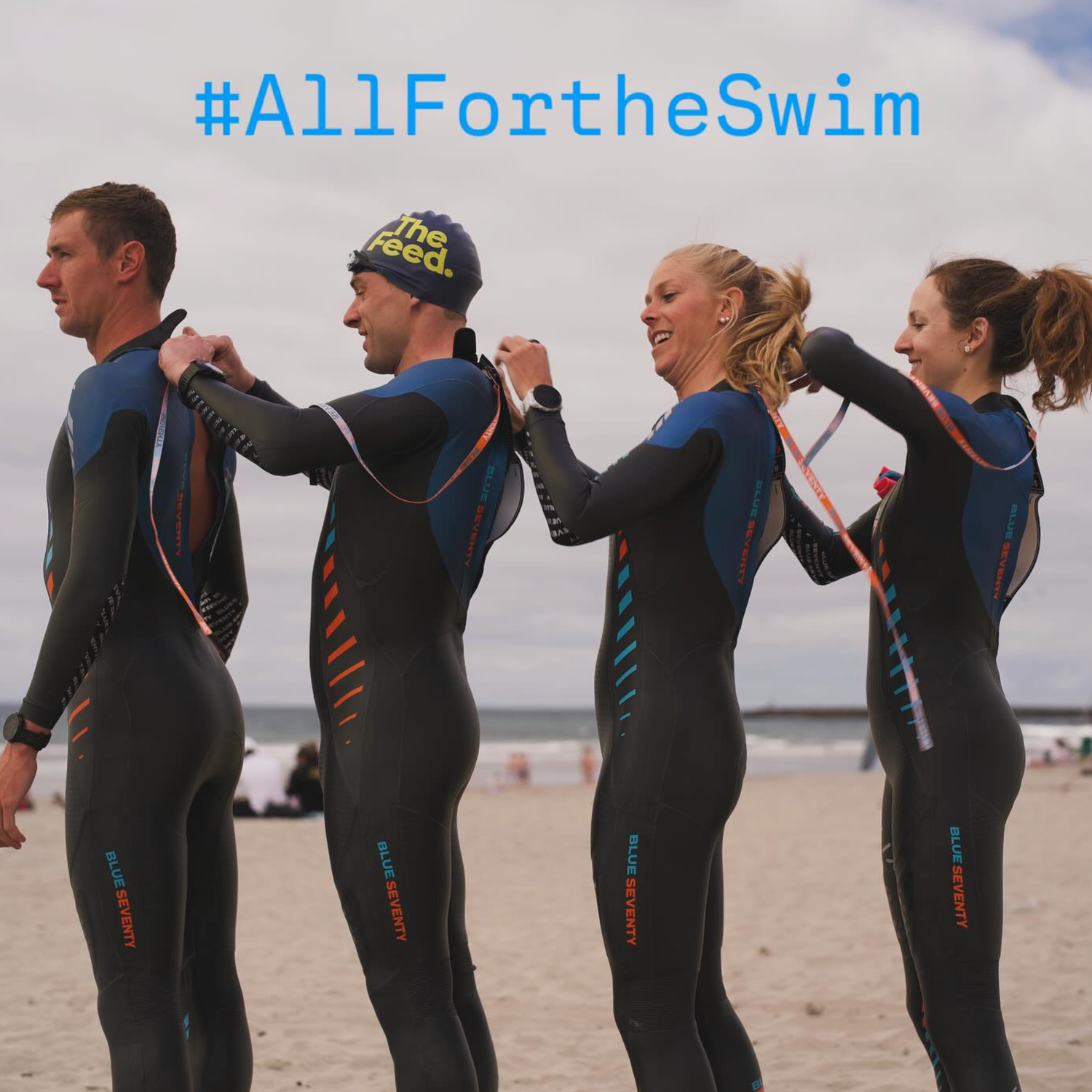
- Fingernail nicks: pulling the suit up too aggressively while dressing
- Heel tears: forcing the ankle cuff over the heel too quickly
- Rushed race-week handling: hasty final checks, travel packing, and transition practice
- Rough storage: contact with sharp gear edges, Velcro, or cramped bags
Thin, flexible neoprene rewards careful handling. That is part of the trade-off in performance gear. The same construction that feels smooth and unrestricted in the water deserves patience on land.
How to tell if a tear is a good candidate for repair
Before you open the tube, inspect the damage calmly. A basic repair is usually worth trying when the tear is short, clean, and easy to close without force.
Use this checklist:
- the cut is small rather than long
- the edges line up naturally
- the surrounding panel still lies flat
- the seam is not opening across a larger section
- the material has not warped
If the edges no longer meet cleanly, if the zipper area is involved, or if the panel shape has changed, stop and reassess. A poor repair in a high-stretch area can create more stress than the original tear.
How to repair a small wetsuit tear with Aquaseal neoprene cement
Always follow the directions on the product packaging. For routine neoprene damage, the general process is straightforward, but patience matters.
- Start with a clean, dry suit. Salt, sand, sunscreen, and moisture all interfere with adhesion.
- Check the tear alignment first. Bring the edges together gently and make sure they match up without stretching the panel.
- Apply a thin layer of cement. More adhesive does not create a better repair. It usually creates a stiffer one.
- Let the adhesive tack if directed. Neoprene cements often bond best after a short waiting period.
- Press the edges together carefully. Accuracy matters. A crooked repair creates a weak point.
- Let it cure fully. Do not rush this step. A repair that feels dry on the surface may still fail when stretched too soon.
The last step decides most outcomes. If a repair fails, it often fails during the next donning, not during the swim itself. The ankle opening, calf, and shoulder usually expose rushed work right away.
Common repair mistakes
Most bad repairs are predictable. Avoid these errors:
- using too much cement
- repairing a damp suit
- pulling the tear out of shape while gluing
- handling the suit before the cure time is complete
- fixing the damage without fixing the habit that caused it
If your heel caused the tear once, it will probably cause it again unless you change how you put the suit on. If your fingernails caused the original nick, the repair is only half the job.
Why triathletes should care about repair quality
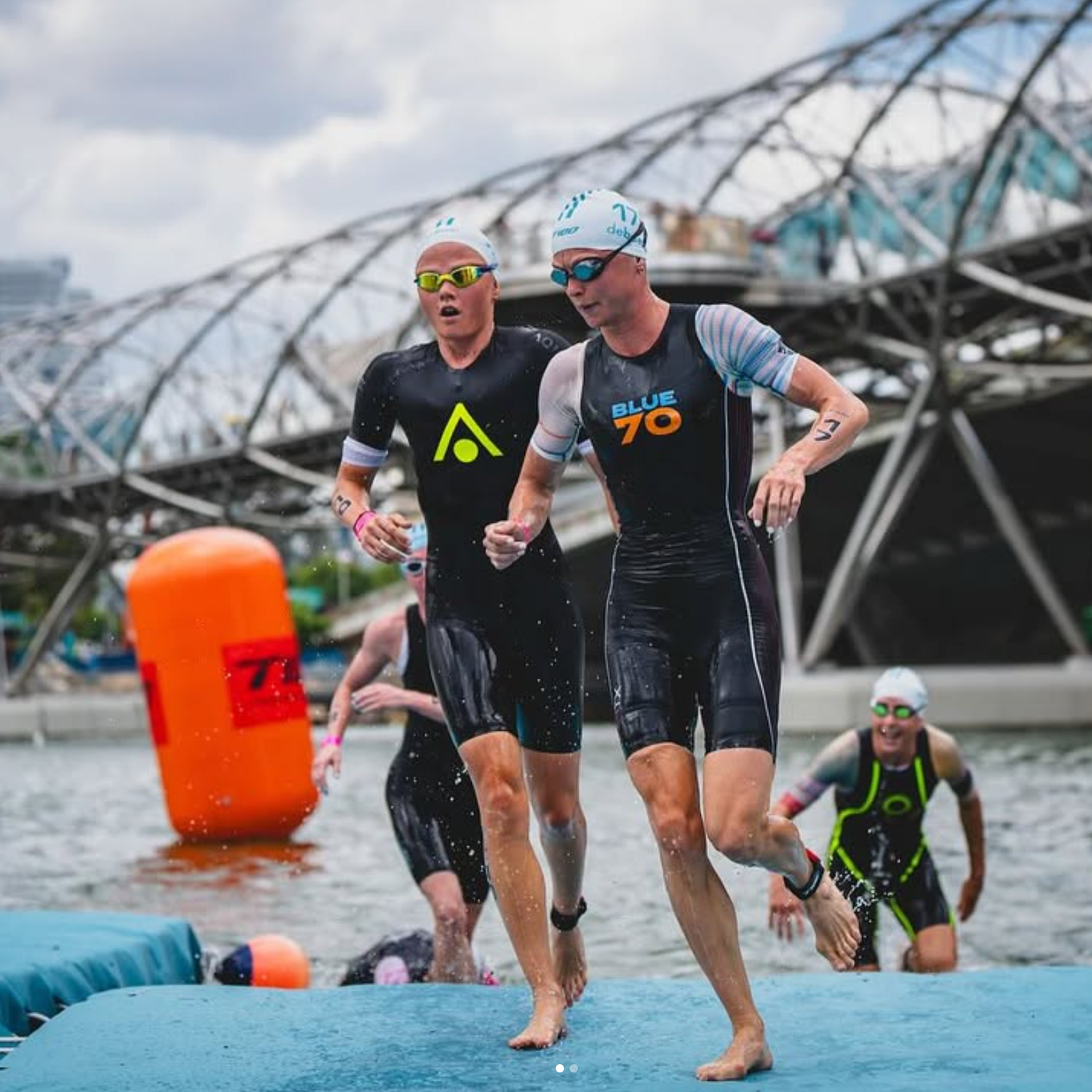
Triathletes do not need a damaged wetsuit to ruin a swim split for repair quality to matter. A bulky ankle repair can interfere with wetsuit removal in T1. A stiff patch at the shoulder can change how the first few hundred yards feel. A sloppy fix at the wrist can catch when you strip the suit off under pressure.
Those details are easy to dismiss in the garage and hard to ignore on race morning. A good repair removes one more source of friction from the day. That matters because race execution often comes down to how many small issues you have already solved before the gun goes off.
Prevention beats repair
The best repair strategy is still to need fewer repairs. A few handling habits make a real difference.
- use the pads of your fingers instead of your nails
- work the suit up gradually from the ankles, calves, thighs, and hips
- slow down at the ankle cuffs
- practice wetsuit removal before race day
- rinse the suit after pool or ocean use
- store it away from heat and rough gear contact
These are not dramatic changes. They are steady habits. Over the course of a season, those habits usually decide whether your wetsuit needs one minor repair or several.
When to stop and reassess
Not every tear should be treated as a simple at-home fix. Take a closer look if the tear keeps reopening, the seam is separating across a wider section, the repair area feels hard after curing, or the panel no longer lies flat. Damage near the zipper also deserves extra caution.
Minor repairs are part of normal wetsuit ownership. Structural problems are different. The goal is to preserve performance, not to force a quick fix where the material no longer supports one.
A better way to think about Aquaseal wetsuit repair
Aquaseal neoprene cement is most useful when you stop thinking of it as emergency glue and start treating it as part of routine performance maintenance. A small nick repaired early is easier to manage, less likely to spread, and less likely to change how the suit feels in motion.
That mindset suits swimmers and triathletes well. You already understand that race-day confidence comes from the work done beforehand. Wetsuit repair belongs in that same category. Inspect the suit regularly, handle it carefully, and fix minor issues before they grow into bigger ones.
If you want more help with wetsuit care and fit, take a look at the blueseventy fit guide or Take a Test Swim before your next open water session.