


A wetsuit rarely goes from perfect to unusable in one day. Most damage starts with something small: a fingernail nick while pulling the suit over your hips, a heel catching the ankle cuff after a hard open-water set, or a short surface cut that looked harmless when you first noticed it. Those small flaws matter because neoprene spends its life under tension. If you leave a cut alone in the wrong spot, repeated stretching during suit-up, swimming, and removal can turn a minor issue into a bigger repair.
That is where Aquaseal UV Cure earns its place in a swimmer’s gear kit. For triathletes and open-water swimmers, it is less about patching gear in a panic and more about preserving the fit, flexibility, and feel of a swim-specific wetsuit. A quick repair done well can keep a training week on track and help you avoid race-week problems that should have been handled earlier.
The useful angle here is simple: wetsuit repair is part of performance maintenance. Athletes spend plenty of time thinking about buoyancy, shoulder flexibility, body position, and warmth. They spend far less time thinking about what happens after the first small tear. They should. The way you repair a wetsuit affects how long it lasts, how it feels in the water, and how much confidence you have pulling it on for your next swim.
Most wetsuit damage happens on land
Swimmers often assume wetsuits wear out because of the swimming itself. In many cases, the damage starts before you even get in the water. Blue70’s warranty guidance identifies the familiar problem areas: fingernail punctures, heel tears, zipper damage from force, heat damage, chlorine damage, wear and tear, and damage from non-swimming use. That list tells a clear story. A lot of wetsuit damage comes from rushed handling, poor storage, and force where patience would have done the job better.
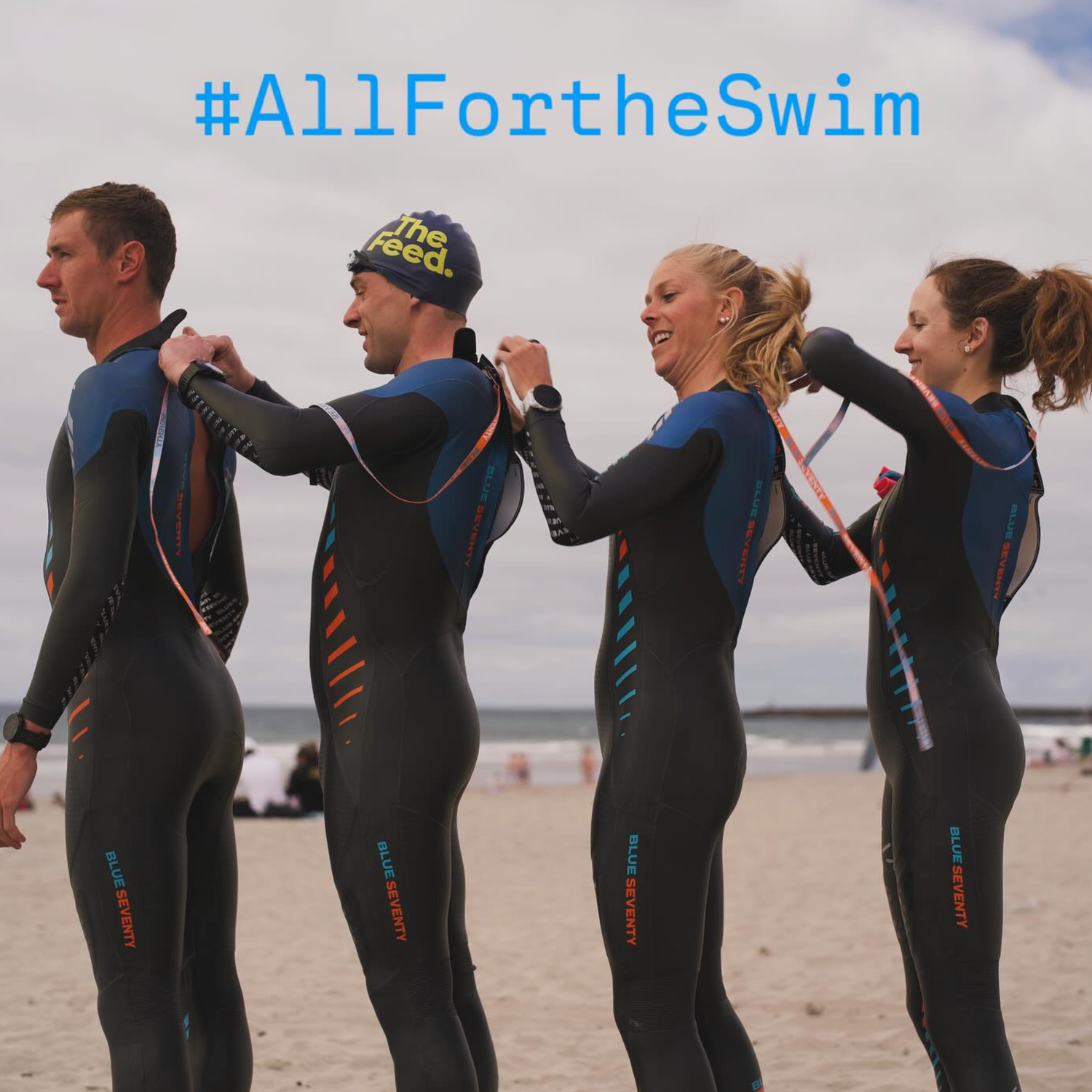
A suit that is not fully worked into place at the calves, hips, and shoulders invites trouble. When the material sits too low, athletes compensate by yanking harder at the torso or neckline. That is when nails dig in and surface cuts appear. The same pattern shows up at the ankles after a race-pace effort, when someone tries to strip the suit off too fast and catches the cuff with a heel.
That matters even more with swim-specific wetsuits designed for freedom from restriction. Blue70 wetsuits use Yamamoto neoprene in 38, 39, and 40 cell, and the higher cell numbers deliver more flexibility. Flexible neoprene feels better in the water and supports a more natural stroke. It also rewards careful handling on land.
What Aquaseal UV Cure is built to do
Aquaseal UV Cure is useful because it handles small, localized damage quickly. Its main advantage is in the name: the adhesive cures when exposed to sunlight or UV light, so you do not need the long wait associated with traditional repair glues.
That makes it a practical option in a few common situations:
- a small fingernail nick you catch early
- a short surface cut that needs sealing before the next swim
- a minor repair during race travel, when time matters
Used in those situations, UV cure adhesive does exactly what athletes need. It seals the problem before it spreads and gets the suit back into usable condition without a long delay. That speed is helpful, but it does not change the limits of the product. A quick-cure adhesive is for small repairs, not every repair.
Why a small tear can become a bigger problem fast
Size alone does not tell you much about a wetsuit tear. Location matters just as much. A tiny nick on a low-stress section of the suit might stay stable for a while. A short cut near the ankle, hip, shoulder, or zipper base gets stressed every time you put the suit on or take it off. If the suit fits properly, and it should feel snug on dry land, those areas will stay under load.
That is why small damage deserves quick attention. A properly fitted wetsuit improves body position, and buoyancy equals speed in the water. But that snug fit also means damaged material does not get a break. Each use asks the panel to stretch again. If you repair the issue early, you usually preserve the panel shape and stop the damage from spreading. If you wait, you often end up fixing a larger split.
Common wetsuit damage patterns worth catching early
If you inspect your suit after swims, the same trouble spots tend to show up again and again.
Fingernail punctures
These often appear around the hips, thighs, and side panels where athletes grip and pull the suit upward. They can look like tiny pinholes or short crescent cuts. They are easy to dismiss, but repeated stretching can open them further.
Heel tears
The ankle opening takes a lot of abuse. When a foot catches the cuff during removal, a short tear can start near the lower leg opening. That area sees repeated stress, so quick repair matters.
Surface abrasion
Rough ground, rocky entry points, or hard contact with gear during transport can scrape the outer layer. Some abrasions stay superficial. Others create weak spots that later develop into a cut.
Damage near seams
This is where restraint matters. If a tear sits close to a seam, panel tension works differently across the repair. A simple surface patch may not be enough if the area carries more structural load.
When Aquaseal UV Cure makes sense
Aquaseal UV Cure is the right tool when three conditions are true:
- the damaged area is clean and dry
- the damage is small
- the panel edges align naturally without force
That usually means a small puncture, a short outer cut, or a light abrasion that needs sealing. In those cases, the fast cure is useful and the repair can stay neat.
It is less suited to larger tears, seam separation, zipper problems, or damage where you need to pull the neoprene into place just to close the gap. Those repairs call for a different approach. If you would not trust the repair through a hard swim start and a fast T1, do not treat it as race-ready.
How to apply Aquaseal UV Cure on a small wetsuit repair
Always start with the instructions on the product packaging. The fundamentals are straightforward, but precision matters because a poor repair can create stiffness in a panel that was designed to move freely.
Prepare the area
Rinse away salt, sand, or dirt if needed, then let the area dry completely. Lay the suit flat and allow the panel to rest in its natural shape. Do not stretch the material to close the cut.
Use less adhesive than you think
A small amount usually does the job. Thick application creates bulk and can leave a raised patch that changes how the suit feels in the water. If the edges of the cut meet neatly on their own, line them up and apply the adhesive carefully. If the panel needs force to stay together, stop and reassess.
Cure the repair properly
Expose the adhesive to UV light or direct sunlight according to the instructions. Keep the panel still while it cures. Do not fold it, test the stretch early, or stuff the suit back into a bag.
Inspect the result
Run your fingers lightly over the repaired spot. You want a surface that feels smooth and sealed, not tacky, lumpy, or stiff. Neat repairs hold up better and interfere less with panel movement.
A messy repair can change how a wetsuit swims
This is the part many athletes overlook. A repair does not need to be large to affect swim feel. A thick patch in the wrong place can create a stiff section on a flexible panel. At the shoulder, that can affect extension and recovery. Near the forearm, it can change feel for the water. At the ankle, it can make removal less clean in transition.
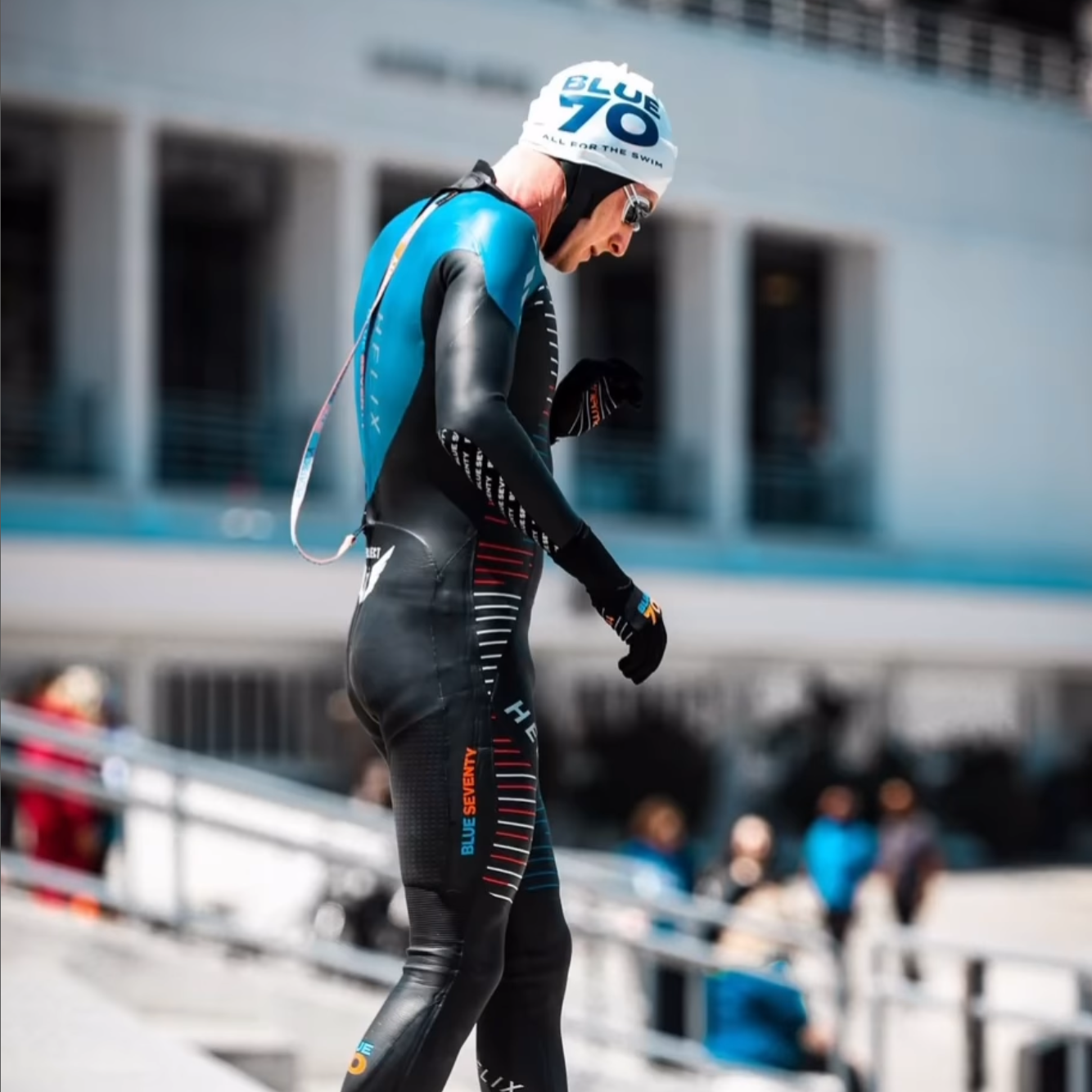
That matters on high-performance suits where each panel serves a purpose. Blue70’s Helix, for example, uses very thin neoprene in the arms and shoulders for freedom from restriction, a permeable catch panel to preserve feel for the water, and LIFT buoyancy panels to support body position. A careless repair in one of those zones can work against the suit’s intended feel.
Why Aquaseal UV Cure belongs in a race-travel kit
Most athletes think about wetsuit repair at home. Many of the most annoying tears happen away from home. Race weekends are full of opportunities for small gear damage. Suits get packed tightly, unpacked in a hurry, pulled on with cold hands, or nicked during a pre-race warm-up swim.
Aquaseal UV Cure makes sense in that setting because it addresses the kind of minor problem that can disrupt a weekend if ignored. A compact repair kit does not need much:
- a towel
- fresh water for rinsing
- a safe place to dry the suit flat
- Aquaseal UV Cure or another neoprene repair product from your gear kit
- spare goggles
That is not overthinking your equipment. It is basic race preparation.
Repeated repairs usually point to a bigger issue
If you repair one small cut once, that is normal. If you keep repairing the same ankle, the same hip panel, or the same shoulder area, the repair is only part of the story. The real issue may be how you put the suit on, how you remove it, how you store it, or whether the suit matches your training load.
Blue70 is direct about those trade-offs. The Helix is built for race-day performance, with very thin and flexible neoprene that is not ideal for heavy training use. Frequent swimmers are often better served by a more durable model for regular mileage. The Reaction is recommended for frequent, longer swims. The Fusion is recommended for shorter frequent swims, and its 2021 redesign added a lower-sitting neckline for comfort while maintaining a watertight seal.
That kind of product choice does more to reduce repeat damage than any repair product can.
Good care still does the heavy lifting
Aquaseal UV Cure is useful because it helps you deal with small damage quickly. It does not replace good wetsuit care. After each swim, rinse the suit with fresh water. Let it dry away from direct heat. Do not leave it in a hot car. Be cautious with chlorine exposure. Use the pads of your fingers, not your nails, when pulling the suit into place. Slow down at the heels during removal. Handle the zipper with care rather than force.
Cold-water swimmers should pay attention here too. Blue70’s published guidance notes that below about 56 to 58°F, a purpose-built thermal suit such as the Thermal Reaction adds meaningful warmth, thanks to its full Zirconium jersey lining. But cold hands and rushed movement before a swim can still lead to avoidable damage at the cuffs, hips, and shoulders.
The real value of a fast repair
A quick repair does more than protect the material. It protects confidence. Once you notice a tear, you start thinking about it during suit-up, during the drive to the venue, and often during the swim itself. A clean repair removes that distraction. It lets you focus on body position, pacing, sighting, and stroke rhythm instead of wondering whether the cut near your ankle is about to widen.
That is the best way to think about Aquaseal UV Cure. It is not a miracle fix. It is a practical tool for swimmers and triathletes who want their gear ready, functional, and consistent.
Final thoughts
Aquaseal UV Cure belongs in the conversation about wetsuit performance because performance does not end when you buy the suit. It continues with how you handle it, how quickly you catch minor damage, and how neatly you repair the small issues that come with real training and racing.
Use it for what it does well: small, clean, localized repairs handled early. Pair it with better suit-up habits, careful removal, and smart storage. That combination protects the things swimmers care about most in a wetsuit: fit, freedom from restriction, buoyancy, and dependable feel on race day.
If you want help with fit or with the handling habits that prevent most minor damage, visit the Blue70 fitting guide. You can also Take a Test Swim in your wetsuit and still return or exchange it, as long as it comes back clean, dry, and unmodified.