


A wetsuit usually does not fail in one dramatic moment. More often, the trouble starts with a thumbnail nick at the hip, a small cut at the calf, or a heel tear at the ankle opening. The damage looks minor, so it gets ignored. Then the next hard pull getting dressed, the next rushed change in a parking lot, or the next fast wetsuit strip in T1 turns that small flaw into a real problem.
That is where Aquaseal UV Cure earns its place. For swimmers and triathletes, it is less about cosmetic cleanup and more about protecting the fit, stretch, and surface integrity of a swim-specific wetsuit. A quick repair done early can stop minor damage from spreading and help your suit keep the feel it had before the tear started.
This is an underused way to think about repair. Most athletes see glue as an emergency item. In practice, it is part of performance care. If you care about freedom from restriction, body position, and smooth race-day execution, small repairs deserve attention before they turn into larger failures.
Why small tears become bigger problems
Neoprene is under tension every time you use your wetsuit. You pull it over your feet, work it up the legs, settle the hips, rotate through the shoulders, and strip it off at the end. Once a small cut appears, that area stops distributing load evenly. The surrounding material takes extra stress, and the cut often spreads.
That pattern shows up again and again in the same places:
- Fingernail punctures on the hips and thighs
- Heel tears at the ankle opening
- Small cuts from rough surfaces near the water
- Edge damage at the wrists and ankles from uneven pulling
These are common because swim-specific wetsuits are designed to move well in the water, not to survive rough handling on land. blueseventy uses Yamamoto 38, 39, and 40 cell neoprene across the range, and higher cell numbers bring more flexibility. That flexibility is a big part of why a good suit feels natural in the stroke. It also means careful handling matters.
Repair is about performance, not just durability
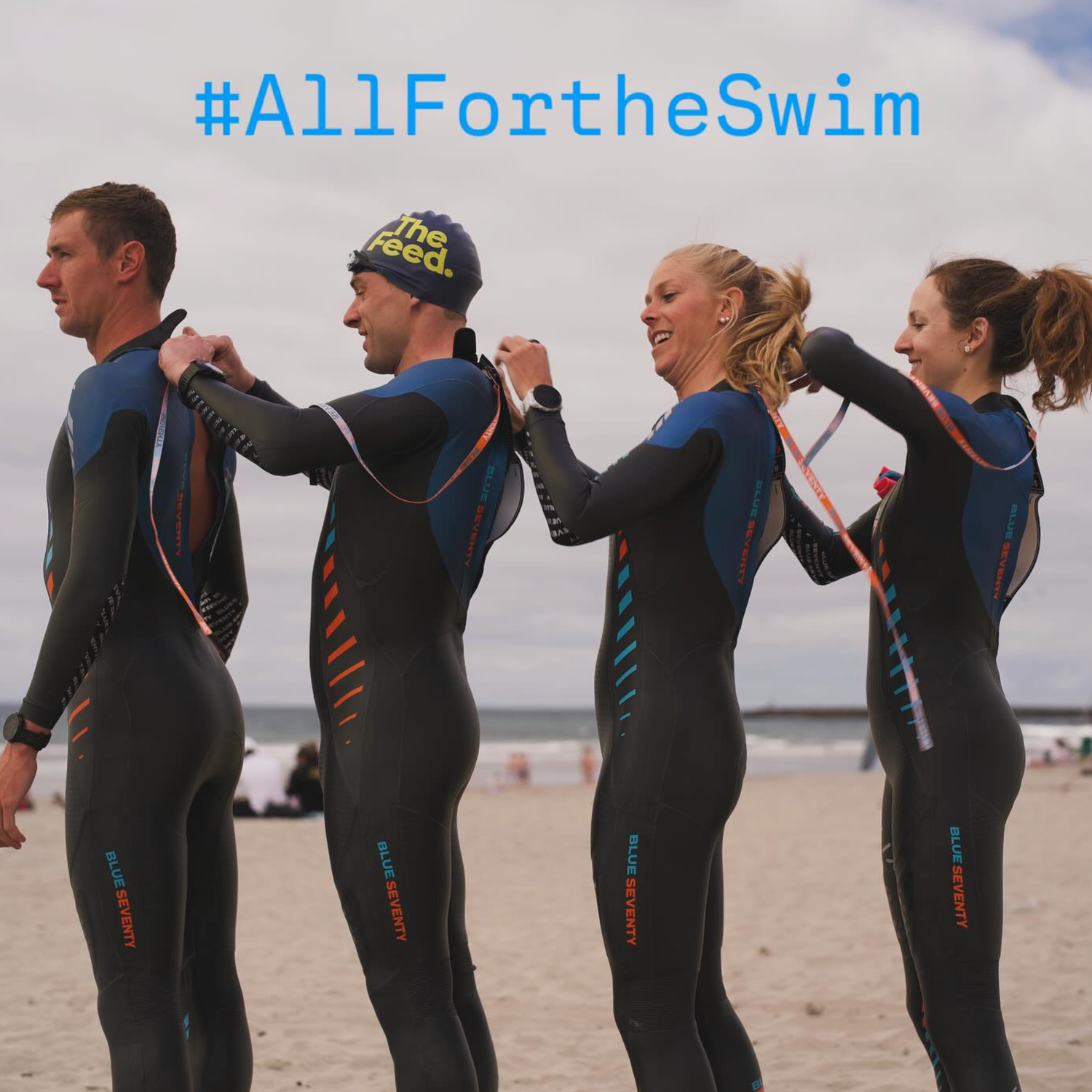
A torn wetsuit does more than shorten the life of the suit. It can change how the suit sits on the body and how a panel moves under load. That matters on race day. A rough ankle tear can catch during removal. A spreading split at the hip can widen while you pull the suit into place before the start. A bulky repair on a shoulder panel can change how the stroke feels over distance.
Small fix, real consequence.
That is the case for treating Aquaseal UV Cure as a maintenance tool instead of a last-second rescue product. If the damage is still small and clean, a fast repair usually preserves more of the original fit and flexibility than a delayed repair after the tear has already grown.
Why Aquaseal UV Cure fits a swimmer’s gear bag
The practical benefit is speed. Aquaseal UV Cure is made to cure with UV light, including sunlight, which makes it useful when you need to deal with a minor problem before the next open-water swim or before packing for a race weekend. It is well suited to the sort of damage most athletes actually see: short cuts, small punctures, and early edge tears.
It still has limits. It is not a way to turn a badly damaged panel back into new neoprene, and it does not replace careful wetsuit handling. What it does well is stop minor damage from becoming major damage.
When to use it
Aquaseal UV Cure makes the most sense for early, localized repairs. Good candidates include:
- A short fingernail nick that has not spread
- A small surface cut in the outer neoprene skin
- A minor tear at the wrist or ankle edge
- A compact split in a low-bulk panel
Slow down and assess the situation more carefully if you are dealing with any of the following:
- A longer tear across a high-stretch area
- Damage that reaches a seam
- A split near the zipper base
- A repair that has already reopened once
At that point, the question is not whether you can cover the damage. The question is whether the repair will stay stable when you put the suit on, swim hard in it, and take it off fast.
How to make a clean minor repair
Always start with the instructions on the product packaging. For a small neoprene tear, the process usually works best when you keep it controlled and simple.
- Dry the suit fully. The repair area should be free of moisture, sand, salt, sunscreen, and grime.
- Bring the edges together naturally. Do not stretch the panel tight. A repair that cures under tension can feel awkward once the neoprene relaxes.
- Apply a thin layer. Use enough product to bridge the tear, but not so much that it leaves a raised, stiff patch.
- Expose it to UV light. Keep the area still while it cures so the edges stay aligned.
- Flex the panel gently afterward. Check that the repair holds and that the area still moves reasonably well.
The goal is not visual perfection. The goal is a stable repair that does not interfere with how the suit fits or moves.
Where repair quality matters most
Shoulders and underarms
These are the highest-mobility zones in the suit. Added stiffness here can show up as fatigue, tension, or a less natural stroke. Keep repairs light and tidy in these areas.
Forearms
Forearm panels matter for feel in the water. On suits built for race-day performance, this zone deserves a careful hand. A rough repair may not ruin the swim, but it can change comfort and feel.
Hips and outer thighs
This is one of the most common places for fingernail damage. The good news is that small, early repairs here often hold well if you stop the tear before repeated pulling makes it worse.
Ankles and lower legs
These repairs affect entry and exit more than stroke mechanics. A clean ankle repair can save you from turning a small tear into a larger one during transition practice.
How this connects to race-day execution
Wetsuit care is race preparation. The two should not be separated.
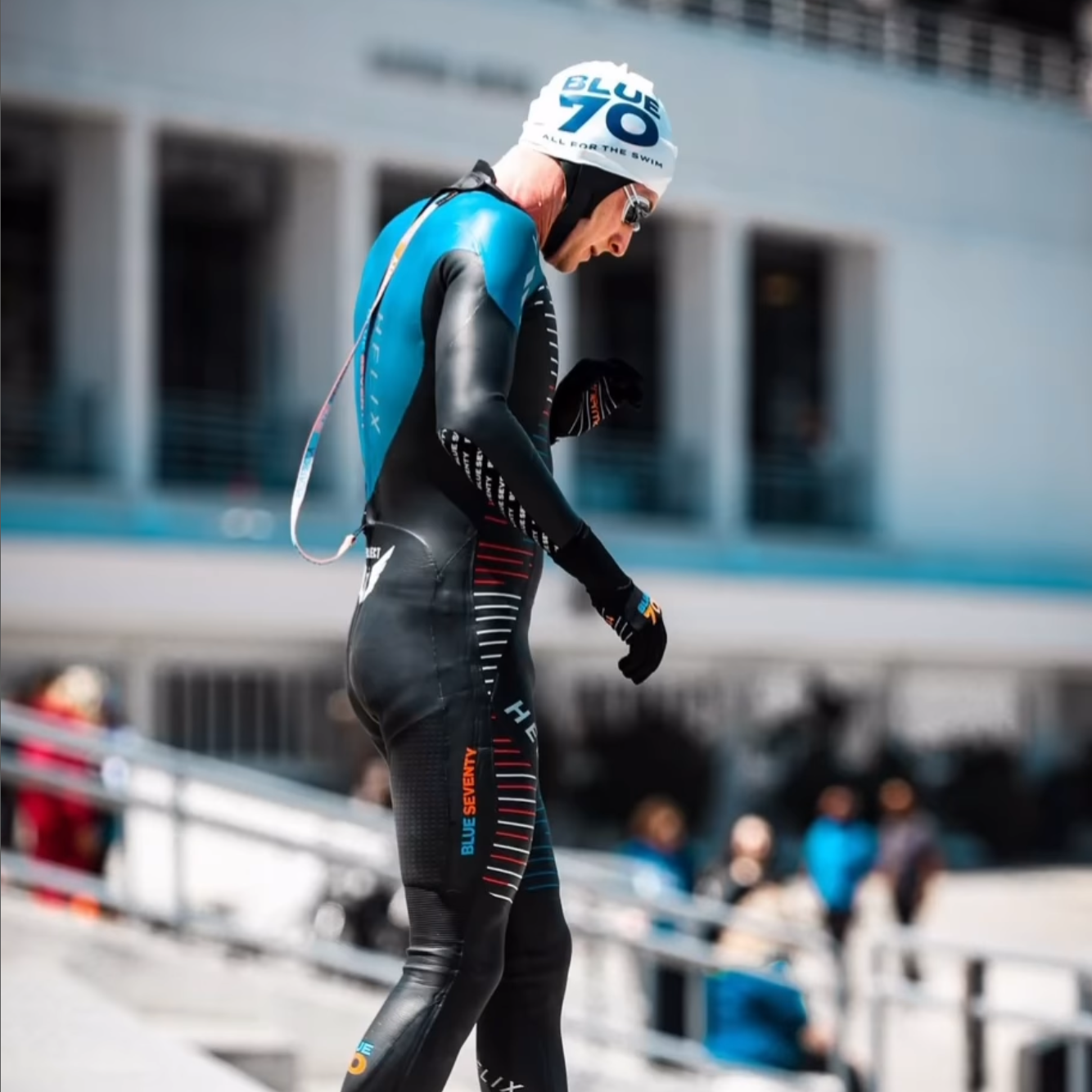
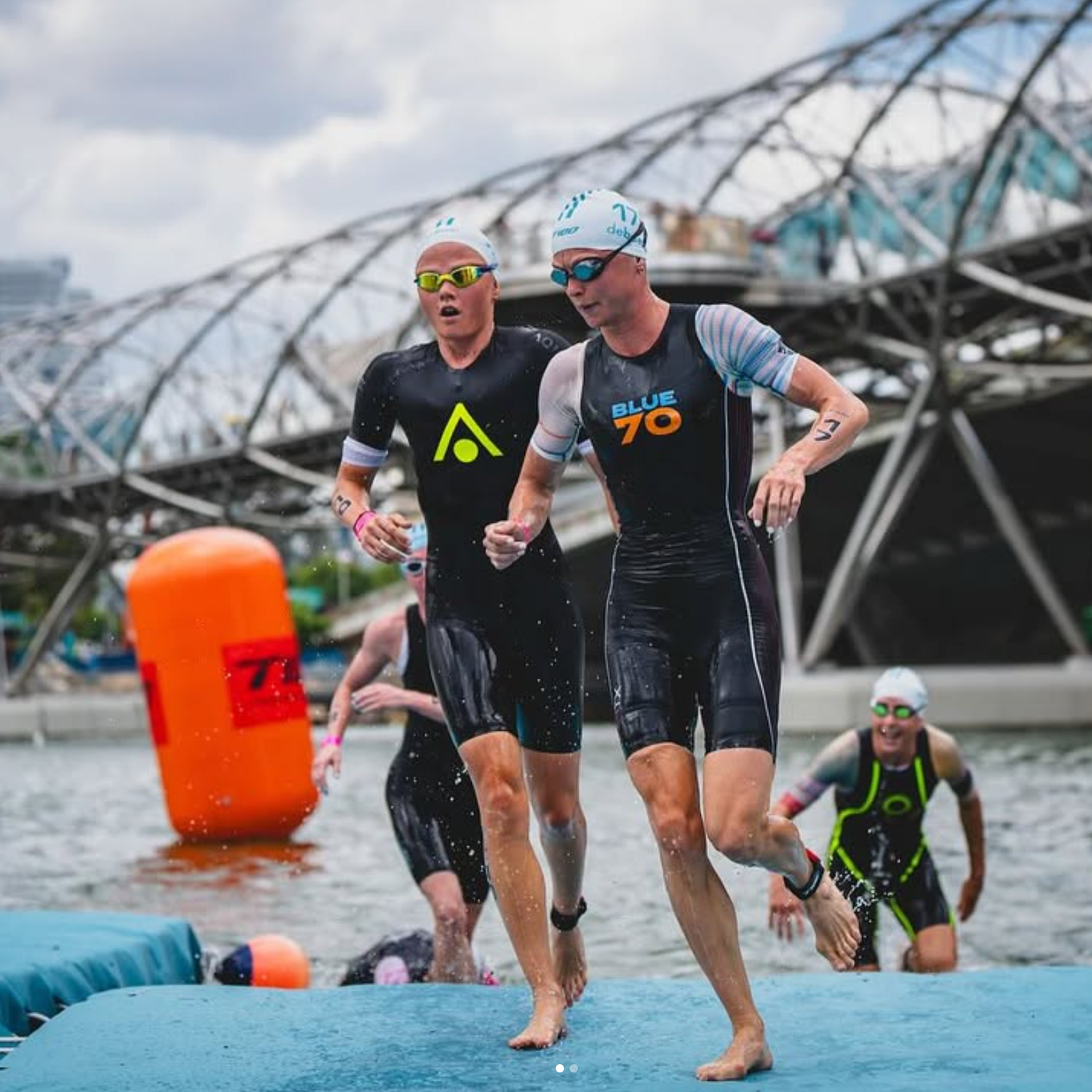
A damaged ankle opening can catch on your heel while you are trying to get free in T1. A weakened calf panel can snag while you stomp the suit off. A split near the hip can open further while you are tugging the suit into position before the start. None of these issues sounds large in isolation. On race morning, they can cost time and composure.
Inspect the suit before you pack it. Check it again after travel. Look closely at the ankles, wrists, hips, and zipper base after hard use. If something is starting to go, deal with it while it is still a small repair.
Prevention still matters more than repair
Aquaseal UV Cure is useful, but better handling saves more suits than any repair product.
- Use the pads of your fingers, not your nails, when pulling the suit on
- Work the suit upward in small increments from the lower leg
- Take extra care at the ankles and wrists
- Never force the zipper
- Change on a towel or mat instead of rough ground
- Rinse the suit after salt water or chlorine exposure
- Dry it away from direct heat
- Store it flat or on a wide hanger
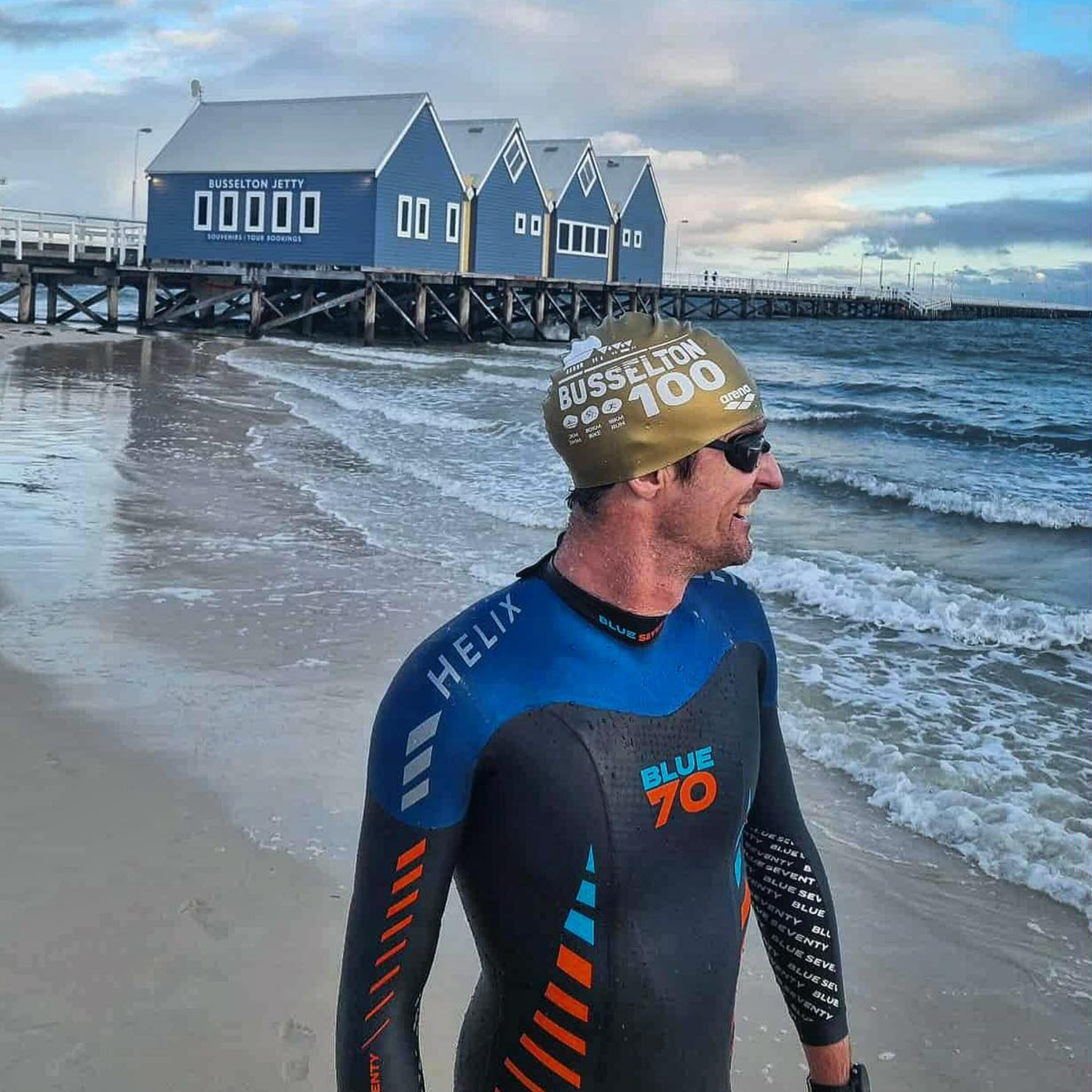
Those habits matter across the blueseventy line. The Helix is built for total race-day performance, with very thin, flexible neoprene in the arms and shoulders. blueseventy is clear that it is not the ideal choice for heavy training use because that construction asks for more care. For frequent swimming, especially longer sessions, the Reaction or Fusion often make more sense because they better match repeated use.
A simple repair kit that earns its keep
You do not need much:
- Aquaseal UV Cure
- A clean cloth
- A small protective pouch
- A habit of checking the suit after travel and rushed transitions
That last point is the one most athletes skip. Damage often shows up after the stressful moment, not during it.
When a quick fix is no longer enough
Some damage needs a more cautious decision. If a tear is large, crosses a seam, sits near the zipper, or reopens after a careful repair, stop thinking in terms of a fast patch. At that stage, you need confidence that the suit still fits correctly, stretches where it should, and comes off cleanly when you need it to.
This is also a good point to think honestly about how often you swim in the suit and what you ask it to do. blueseventy’s model guidance is straightforward. Frequent, longer swims line up well with the Reaction. Frequent, shorter swims often fit the Fusion. First-time athletes on a tighter budget often land in the Sprint. Warm-water swimmers and athletes who want easier entry and exit may prefer a sleeveless option. Matching the suit to the job reduces wear and lowers the chance of repair problems showing up at the wrong time.
Final take
Aquaseal UV Cure belongs in the same category as rinsing, drying, and storing your wetsuit properly. It is part of keeping a suit ready for the next session and the next race. Early repair protects more than appearance. It helps preserve fit, flexibility, and reliability.
If you spot a nick, small split, or ankle tear, fix it while it is still minor. Then look at the bigger picture: how you put the suit on, how often you train in it, and whether your suit choice matches your swim schedule. If you want more help with fit and care, take a look at the blueseventy fit guide or contact Expert Support.