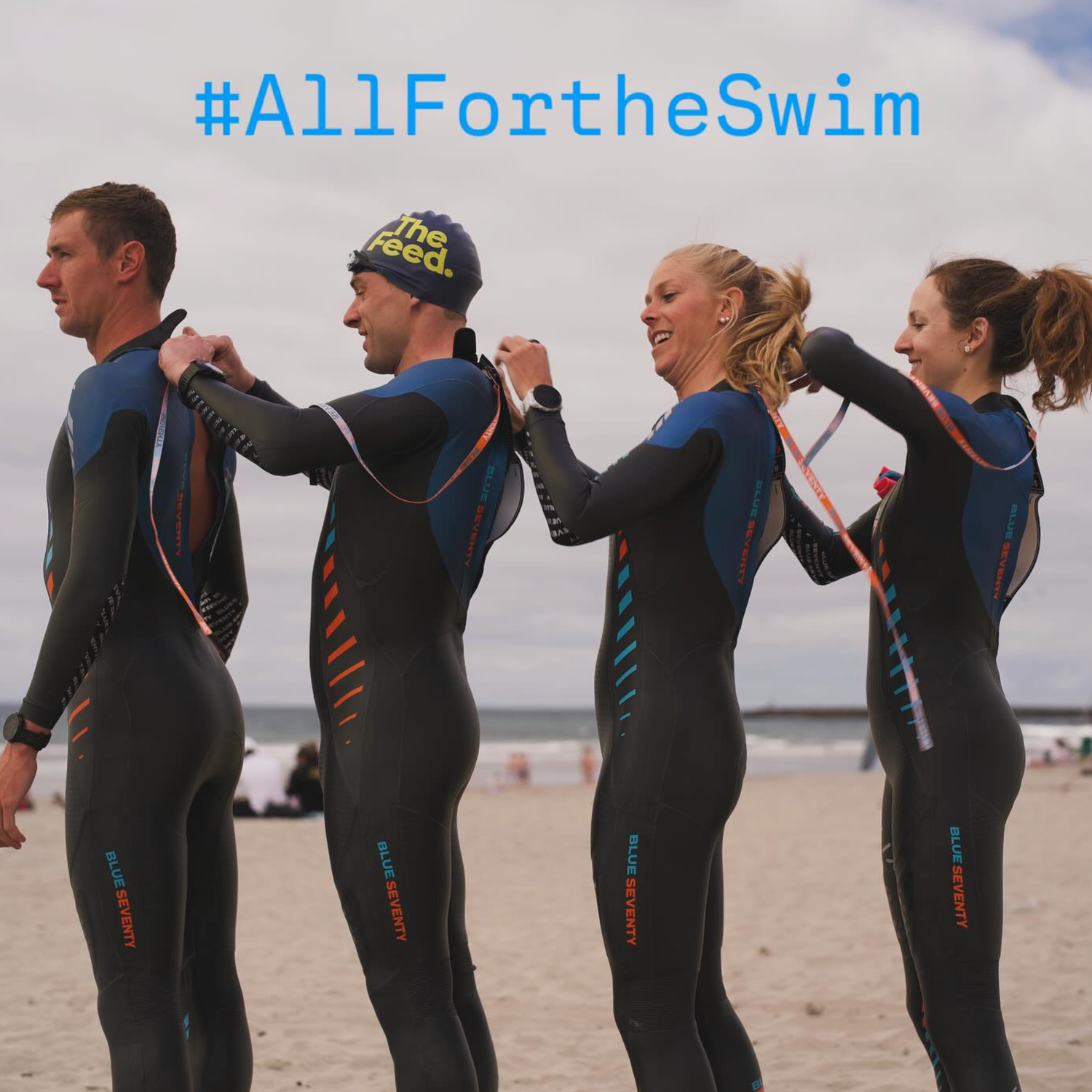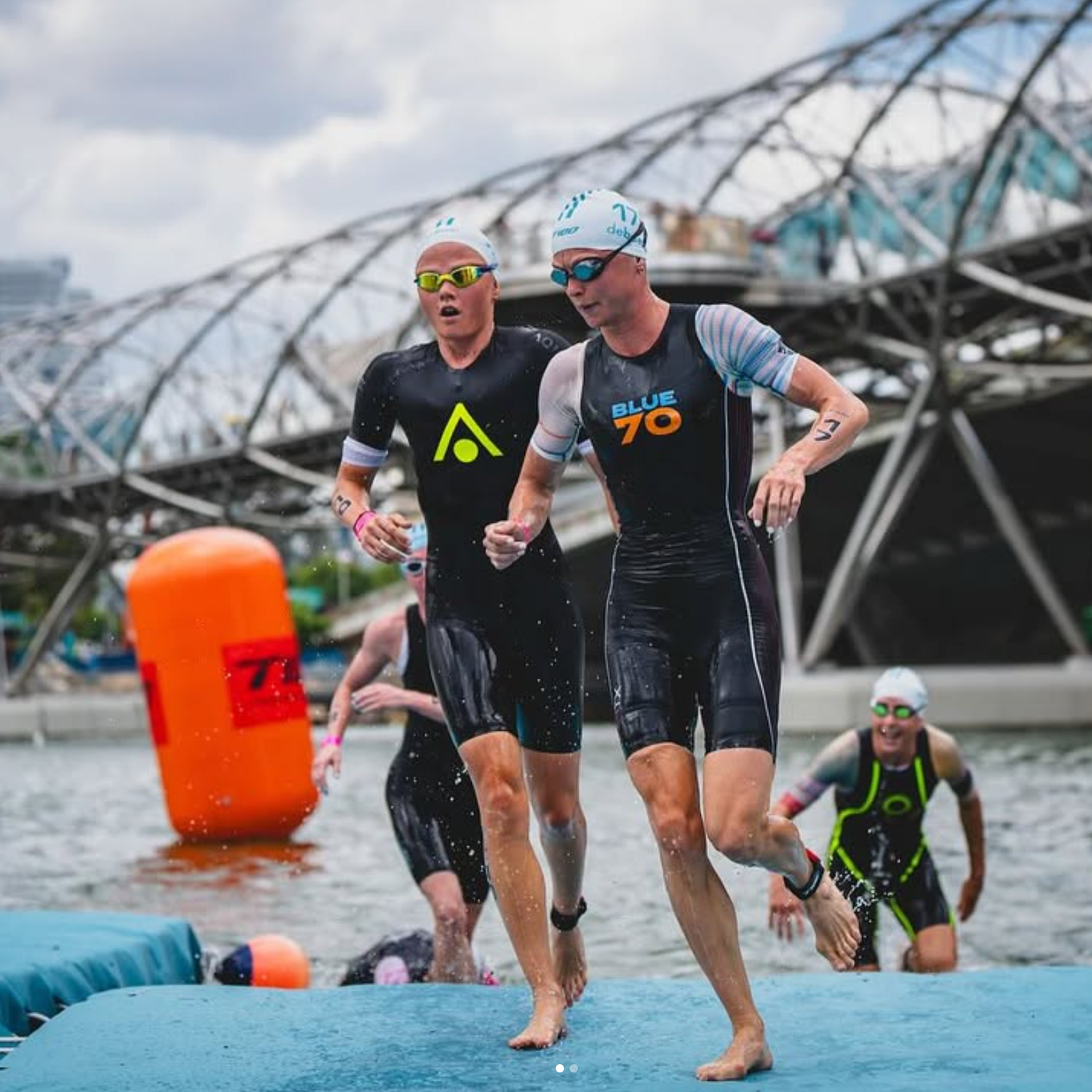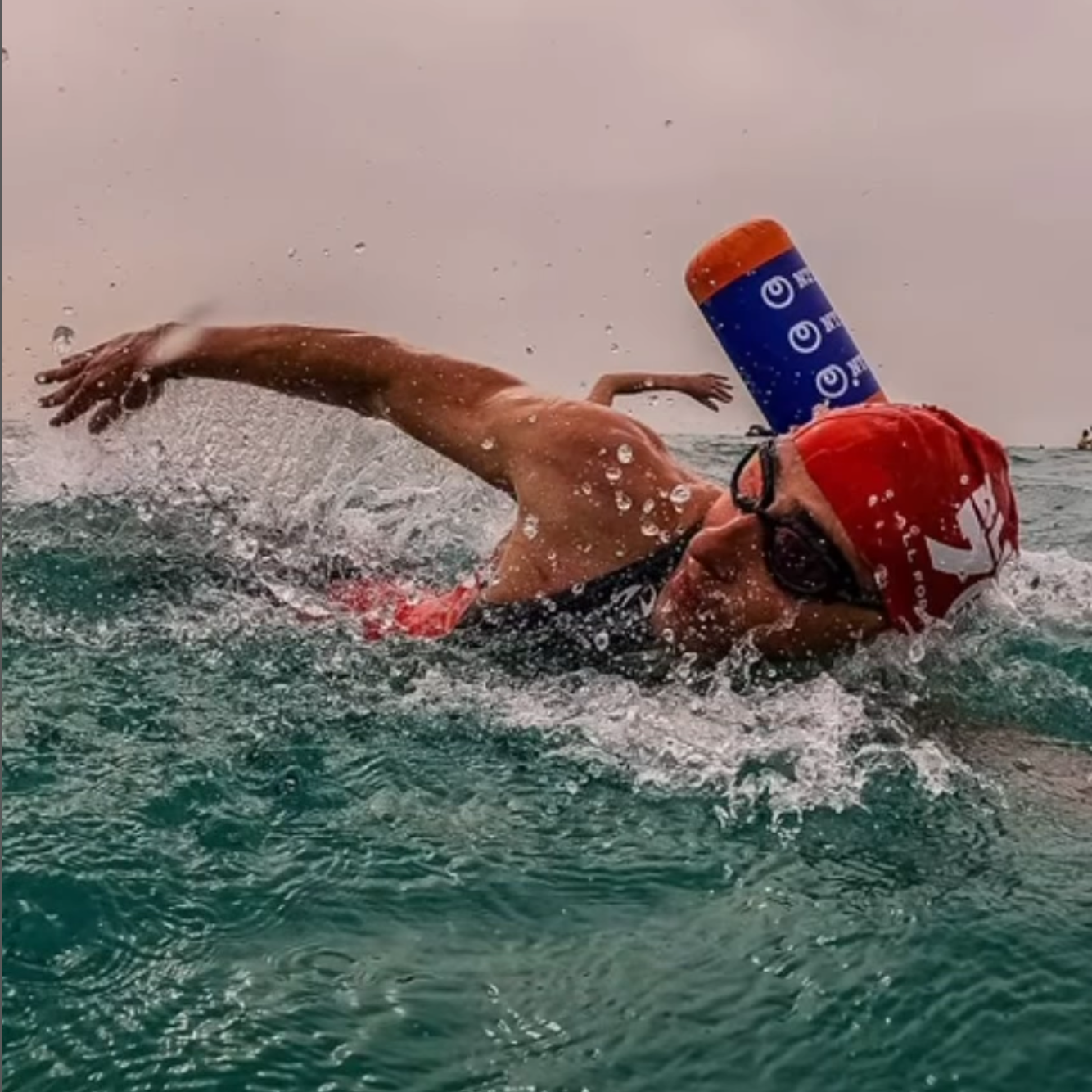



Most athletes think of wetsuit care as something that happens after the swim. Rinse it, hang it, forget about it until next weekend. That habit misses the real job of maintenance. A wetsuit maintenance kit protects the parts of the suit that affect how it feels in the water: shoulder freedom, neck comfort, zipper function, and clean removal in T1.
That matters because a swim-specific wetsuit is a performance garment, not generic outerwear. blueseventy builds wetsuits for swimming, with an emphasis on body position, freedom from restriction, and feel for the water. Those gains depend on materials and panel layouts that perform well in the water and need careful handling on land.
All blueseventy wetsuits use Yamamoto neoprene in 38, 39, and 40 cell constructions. Higher cell numbers bring more flexibility. That is good news for your stroke. It also means the suit benefits from better habits during donning, removal, drying, storage, and travel. The more flexible the panel, the less forgiving it is when you rush it over your hips with your fingernails or force your foot through the ankle opening in a parking lot.
Why this matters before anything goes wrong
Most wetsuit damage starts small. A nick at the hip from a fingernail. A stretched ankle opening from sloppy removal. A zipper that gets yanked at an angle because the suit is sitting too low on the torso. None of these problems look dramatic in the moment, but they add up over a season.
That is why the best maintenance kit is mostly a prevention kit. Repair products matter, but good habits matter more. Athletes usually do more damage in transition, on the tailgate of a car, or while changing on rough pavement than they ever do in the water.
What to keep in a wetsuit maintenance kit
A useful kit does not need to be large. It needs to solve the problems that happen most often.
Fresh water
Salt, sand, lake residue, and chlorine should not stay in the suit any longer than necessary. Wetsuits are not waterproof garments that keep water out. They allow a thin layer of water in, and your body warms that layer to provide insulation. A fresh-water rinse helps protect the neoprene, interior lining, and seams after each swim.
A clean towel
A towel works as a changing surface as much as a drying tool. Stand on it when you put the suit on or take it off near gravel, asphalt, or concrete. That one habit reduces abrasion and keeps sand out of the suit.
A ventilated bag
A wet suit should not sit compressed in a hot, sealed bag for hours. A mesh section or ventilated gear bag gives the suit some airflow until you can rinse and dry it properly.
Aquaseal neoprene cement
Small cuts are easier to fix before they spread. blueseventy carries Aquaseal neoprene cement in its wetsuit care range, and it belongs in a serious swimmer's kit. Use it for minor nicks and clean, dry the area first. Follow the product instructions and give the repair time to cure before the next swim.
A wide hanger or flat storage space
Storage is part of maintenance. Thin shoulder panels do not respond well to sharp folds or narrow hanger pressure. A wide hanger or a flat storage setup helps the suit hold its shape between sessions.
Anti-chafe product
This is for the swimmer, not the suit. Neck irritation often leads athletes to tug, fold, or misposition the collar. Proper fit and placement fix most of that problem, and anti-chafe product can help with the rest.
A simple inspection note
Keep a short checklist in the bag. It does not need to be fancy. It needs to be there when you are tired and tempted to skip the basics.
- Rinse the suit after use
- Dry it away from direct heat and sun
- Store it flat or on a wide hanger
- Check ankles, wrists, shoulders, neckline, zipper base, and inside seams
The five-minute routine that saves suits
The right routine matters more than the size of the kit. After the swim, take a few minutes and do the same sequence every time.
- Rinse the suit with fresh water.
- Turn it as needed so the inside can dry.
- Let it dry fully away from direct heat and prolonged sun.
- Store it flat or on a wide hanger.
- Inspect high-stress areas for small damage.
That routine is simple, but it protects the fit and function of the suit over time.
Where wear shows up first
If you want to catch problems early, inspect the parts of the suit that see the most handling.
Ankles
Heel tears and stretched openings often start here. Athletes tend to rush both entry and exit at the ankles.
Wrists
Wrists take a lot of pulling during removal. Small nicks can spread if they go unnoticed.
Shoulders and underarms
These zones combine movement and flexible material. If the suit is not pulled high enough before you swim, the shoulders also carry extra tension they should not have to carry.
Neckline
A neckline problem is often a fit or positioning problem first. Check for abrasion and make sure the suit is seated correctly on the body before blaming the collar.
Zipper and zipper base
Zippers should move with controlled, straight tension. Never force them. If the suit feels hard to zip, the issue often starts lower on the body, where the torso and shoulders have not been positioned correctly.
Training swimmers and racing triathletes stress a suit differently
Athletes do not all wear out wetsuits in the same way. Weekly open water swimmers usually create wear through repetition, transport, and long exposure to salt or cold conditions. Triathletes add a different layer: travel, rushed changes, T1 practice, and aggressive suit removal while breathing hard and thinking about the bike leg.
That difference should shape how you use your kit. A swimmer training in open water every week needs disciplined rinsing and complete drying. A triathlete needs that too, but also needs a clean setup for race morning and a habit of practicing removal without abusing the ankle panels or zipper area.
Match care to the suit you wear most
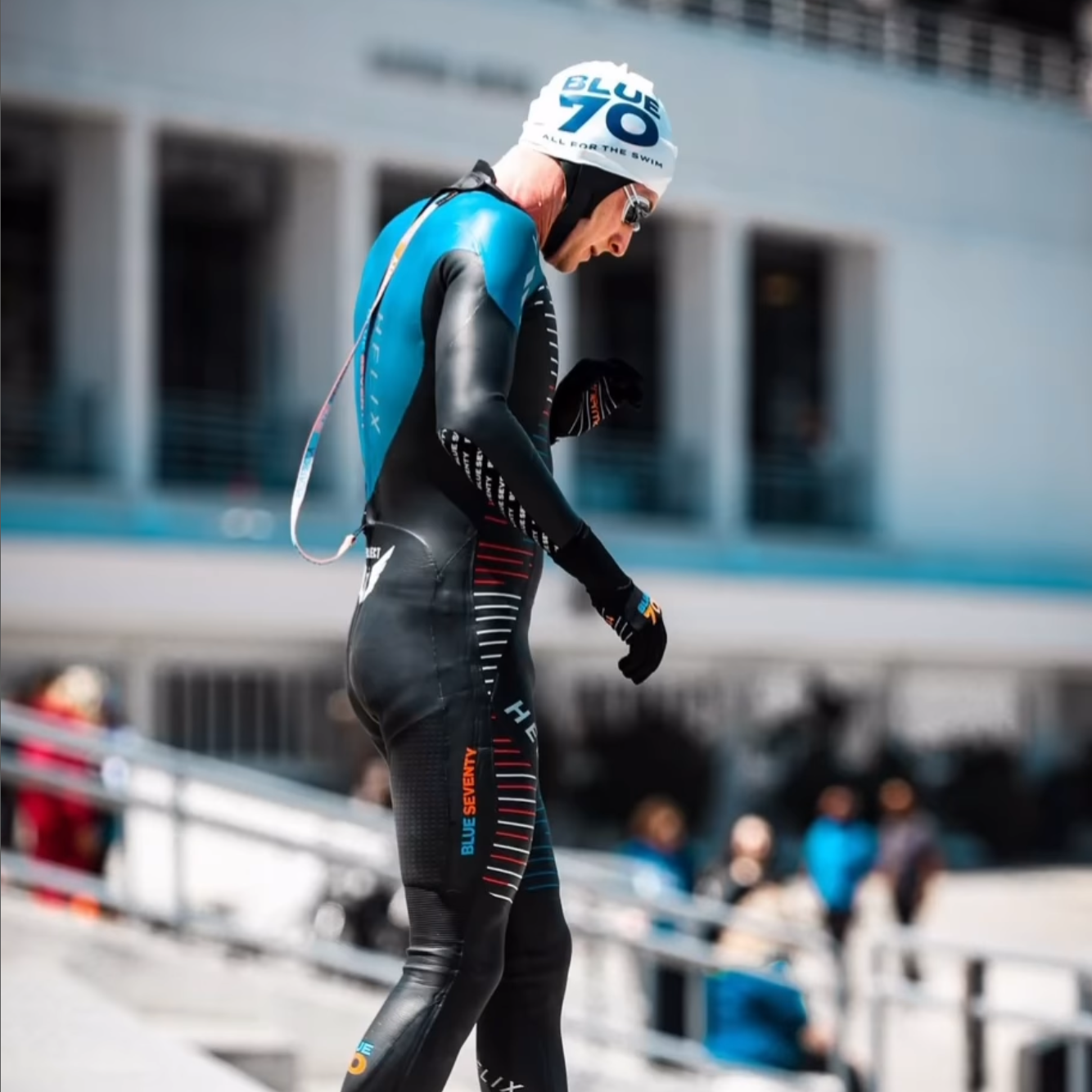
Not every wetsuit sees the same workload. blueseventy is candid about that. The Helix is built as a flagship race suit with very thin, flexible neoprene in the arms and shoulders, a permeable catch panel, and LIFT buoyancy panels. That race-first construction delivers freedom and feel, but it is not the best choice for heavy weekly training. Athletes who swim often are usually better served by using a suit such as the Reaction for frequent, longer swims or the Fusion for shorter, frequent sessions.
That product guidance is also maintenance guidance. Put your high-volume training into the suit designed for repeated use, and treat your race suit like race equipment.
What not to put in the kit
Some common items do more harm than good.
- Harsh household cleaners
- Heat sources for drying
- Improvised glues not made for neoprene
- Narrow wire hangers
- A cramped gear bin that crushes the suit under heavier equipment
It also helps to keep your expectations accurate. Neoprene provides buoyancy, but a wetsuit is not a certified flotation device. Good care preserves fit, flexibility, buoyancy profile, and thermal protection. It does not turn the suit into safety equipment.
Build two kits and make care automatic
The easiest system is to split your setup into a home kit and a travel kit.
Home kit
- Fresh-water rinse access
- Wide hanger or flat drying area
- Clean towel
- Aquaseal neoprene cement
- Inspection checklist
Travel or race-week kit
- Clean towel
- Ventilated bag section
- Neoprene cement
- Anti-chafe product
- Separate bag for wet gear
- Inspection checklist
Once that system is in place, maintenance stops feeling like an extra task. It becomes part of how you manage your gear.
The payoff is better fit, not better looks
A wetsuit can still look clean while performing poorly. It can sit too low in the shoulders, twist at the zipper base, or start splitting at the ankles long before the damage becomes obvious from a distance. Those issues usually show up first as shoulder fatigue, neck irritation, awkward removal, or a suit that no longer feels right once you start swimming.
A maintenance kit helps you catch those problems while they are still small. More important, it helps prevent many of them from happening at all. That is why it belongs next to your goggles, cap, and race belt. It protects the features that matter in the water: body position, freedom from restriction, and feel for the water.
If you want to sort out fit before poor handling turns into early wear, blueseventy offers a fit guide, size charts, and a Take a Test Swim program. A correctly fitted suit is easier to put on, easier to remove, and easier to keep in good shape through a full season.