


Type “wetsuit float coat” into a search bar and you’ll usually find the same underlying question: will a wetsuit help me float? It will, because neoprene is naturally buoyant. But for swimmers and triathletes, that’s only the starting point.
A swim-specific wetsuit is not a float coat, and it should not be thought of as one. It is not a certified flotation device, and it is not designed to act as rescue equipment. What it is designed to do is support a better position in the water, help reduce drag, preserve freedom from restriction through the stroke, and provide added thermal protection in the right conditions.
That may sound like a subtle distinction, but in practice it changes everything. Athletes who understand buoyancy as a performance tool tend to choose better gear, fit it more carefully, and get more out of it on race day and in training.
Why the term “float coat” misses the point
The phrase itself points swimmers in the wrong direction. It suggests the main job of a wetsuit is simply to hold you up. For open-water swimming and triathlon, the real question is much more specific: how does buoyancy change the way you move through the water?
That is where swim-specific design matters. A good wetsuit does more than add lift. It helps shape your body line so you can swim longer and cleaner without fighting the water quite so hard. That’s a different conversation than “will this keep me afloat?” and it’s a much more useful one.
Buoyancy is really about body position
One of the simplest truths in open-water swimming is that buoyancy equals speed in the water. Not because buoyancy guarantees a faster swim split, but because better body position usually means less drag. Less drag means less wasted energy.
For many swimmers, especially newer triathletes, the biggest limiter isn’t effort. It’s alignment. When the hips sit low and the legs trail behind, the body presents more resistance to the water. The swimmer often responds by kicking harder, lifting the head more, or trying to muscle through the stroke. That usually makes the whole system less efficient.
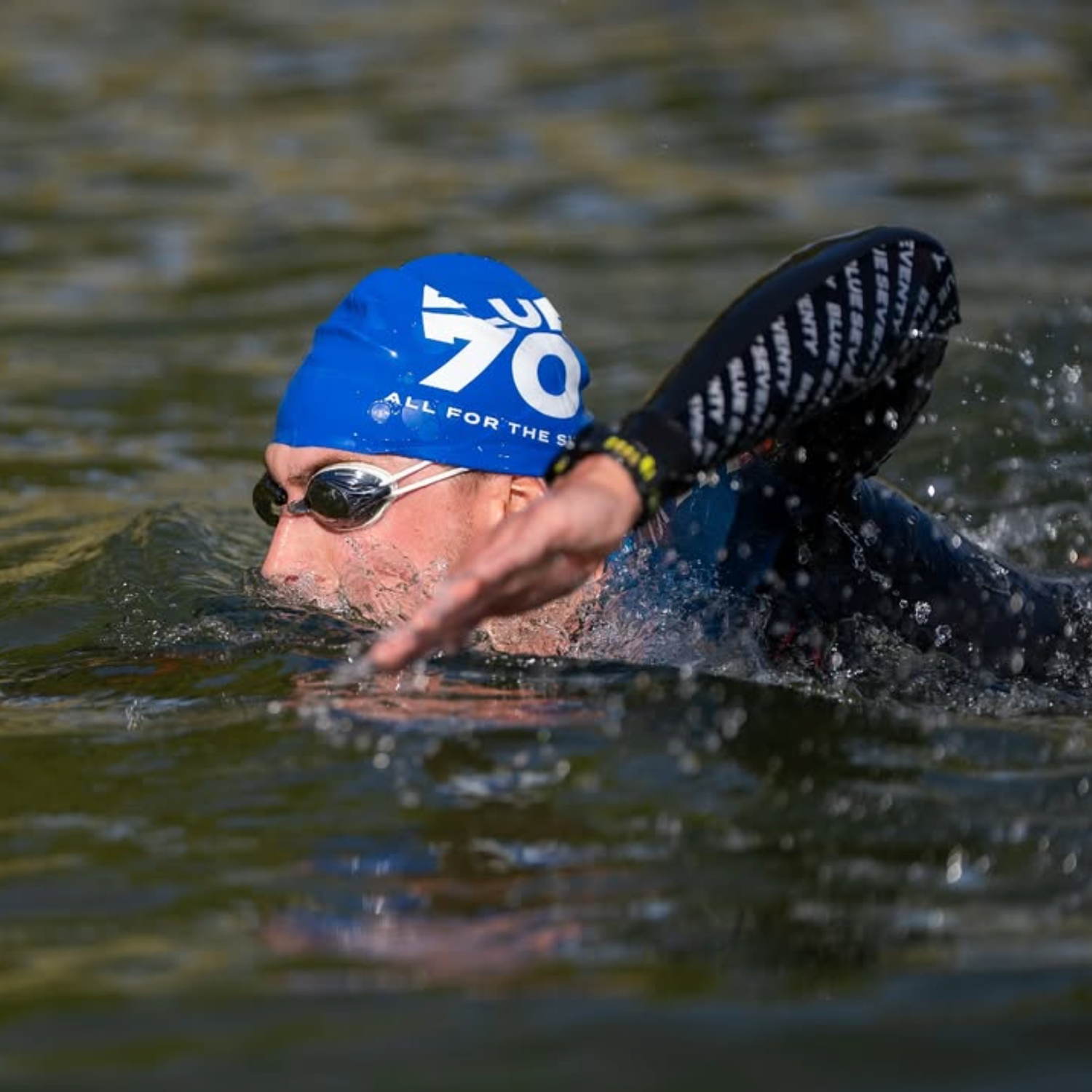
A swim-specific wetsuit can help by supporting a higher, longer posture in the water. That often makes it easier to:
- keep the hips and legs from dropping
- hold a cleaner line through the torso
- reduce frontal resistance
- maintain rhythm as fatigue builds
- settle into a calmer, more economical stroke
That’s why so many athletes feel an immediate difference the first time they swim in the right suit. The benefit is not just “more float.” It’s that the suit helps the body travel through the water in a more efficient shape.
Why more buoyancy is not always better
This is where swimmers can get misled. It’s easy to assume the best suit is simply the one that feels the most buoyant. But high performance in open water is rarely that simple. Where buoyancy sits matters. So does flexibility. So does your ability to maintain feel for the water.
If a suit lifts you but restricts your shoulders, dulls the catch, or alters your natural rhythm too much, that extra lift may not feel nearly as helpful by the second half of the swim. Good wetsuit design is always a balance.
That balance is why blueseventy’s lineup covers different needs rather than forcing every swimmer into one solution.
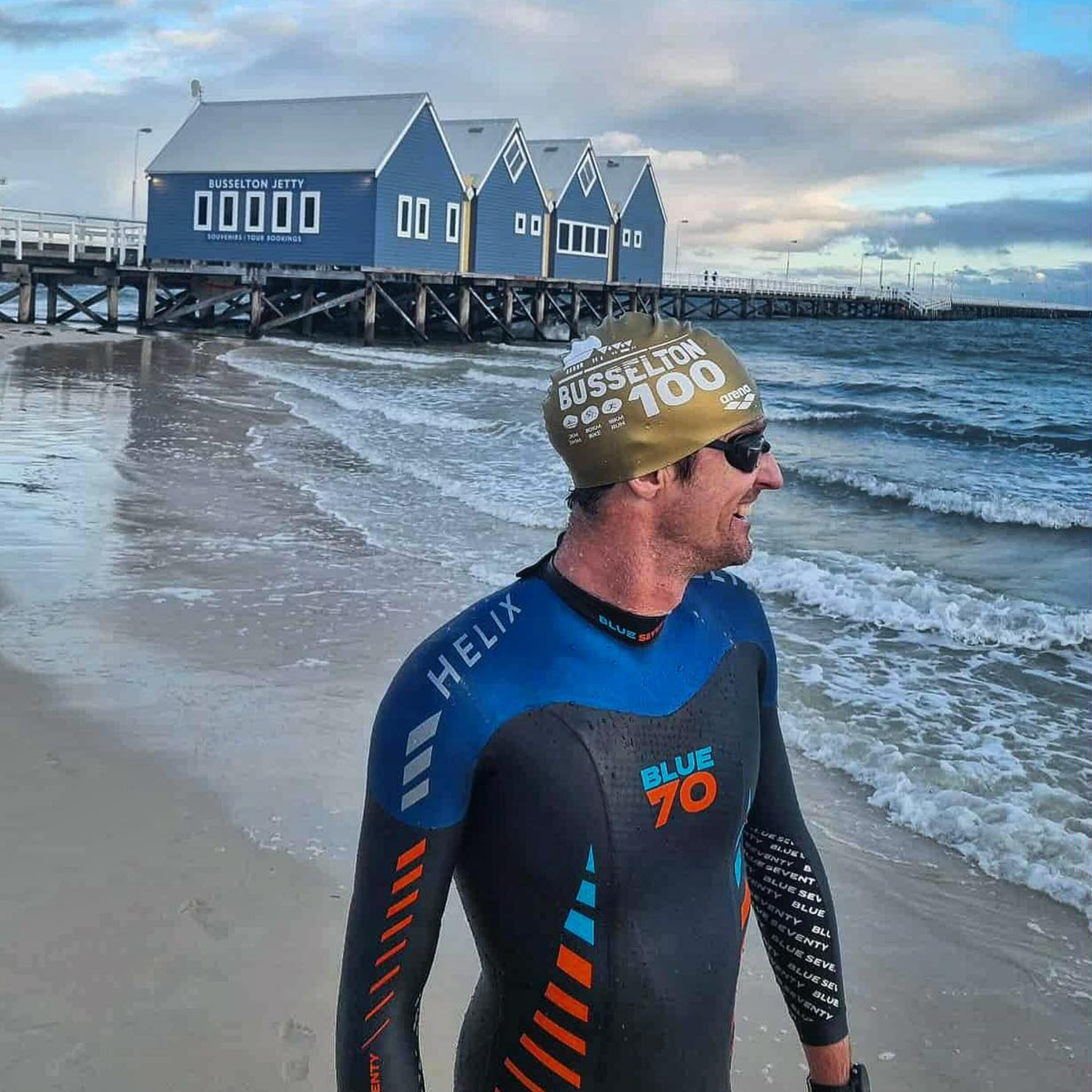
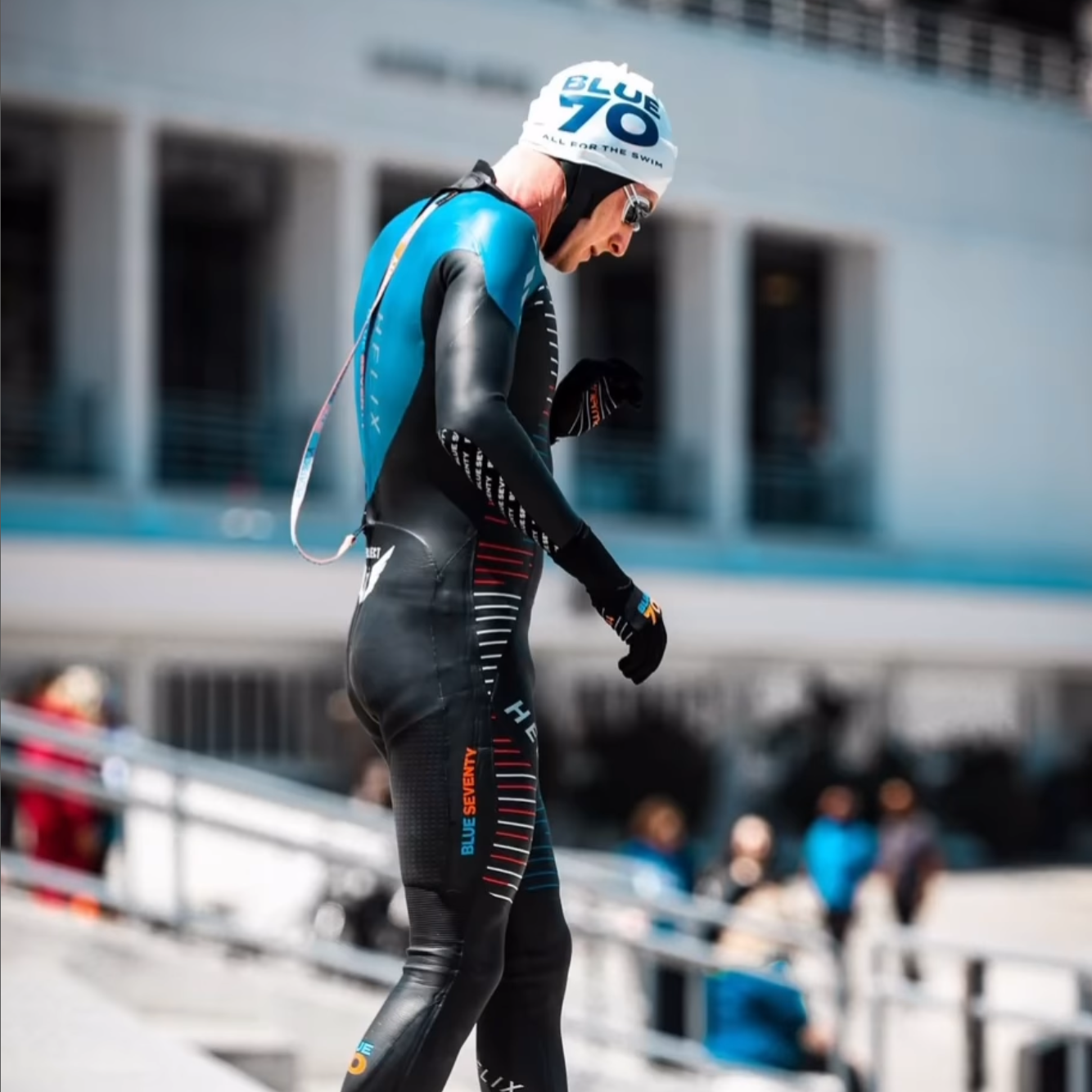
- Helix is built for total race-day performance, with extremely flexible neoprene in the arms and shoulders, a permeable catch panel to preserve feel for the water, and LIFT buoyancy panels to support position.
- Reaction is a strong choice for frequent and longer swims, balancing performance with durability.
- Fusion is a versatile mid-range suit and a best seller, with a lower-sitting neckline for comfort without losing the watertight seal.
- Thermal Reaction is fully lined with Zirconium jersey for cold-water swimming, where added thermal protection becomes a major part of the equation.
The key point is that a swim-specific wetsuit should help you swim well, not just feel lifted.
How wetsuit design evolved beyond simple flotation
One of the more interesting shifts in swim gear over the years is the move from broad “coverage and warmth” thinking toward highly swim-specific construction. That shift matters because it changed the purpose of wetsuit design.
Instead of asking only how to cover the body in neoprene, designers began asking more focused questions. How do you preserve shoulder mobility? How do you support body position without making the stroke feel artificial? How do you reduce chafing? How do you make a suit easier to remove in T1? How do you improve fit for women in the places that matter most?
That swim-first approach has long been central to blueseventy. The brand’s focus has always been on products made for swimming, with recurring attention to comfort, freedom from restriction, and competitive advantage in the water.
That’s also why experienced swimmers don’t judge a suit only by how it feels standing on deck. They judge it by what happens once they start swimming: whether the shoulders stay relaxed, whether the catch still feels natural, and whether the body holds a good line without strain.
The physiology angle: less drag, less wasted energy
Buoyancy has a practical physiological effect too. When your position in the water improves, the entire stroke often becomes less expensive.
If your legs are sinking, your kick may shift from propulsion to damage control. Your lower back and hip flexors may work harder just to hold alignment. Your shoulders may end up pulling a less streamlined body through the water. Over time, all of that adds up.
A wetsuit that supports better position can help reduce some of that wasted effort. For triathletes, that matters well beyond the swim itself. If you spend less energy fighting your posture in the water, you may come out of the swim more composed and better prepared for the bike and run.
That is not a guarantee of performance. It is simply the reason efficient swimming matters so much on race day.
Fit matters more than most athletes expect
Even a very good wetsuit can feel wrong if it is not fitted and donned correctly. In fact, many complaints athletes have about wetsuits come back to fit rather than design.
If the suit is not worked fully into place, especially through the legs, hips, and shoulders, you can end up with:
- tightness across the chest
- shoulder fatigue early in the swim
- restricted reach
- neck discomfort
- a rushed, heavy stroke
A swim-specific wetsuit should feel snug on land. In the water, it should feel more natural and more mobile than it did dry.
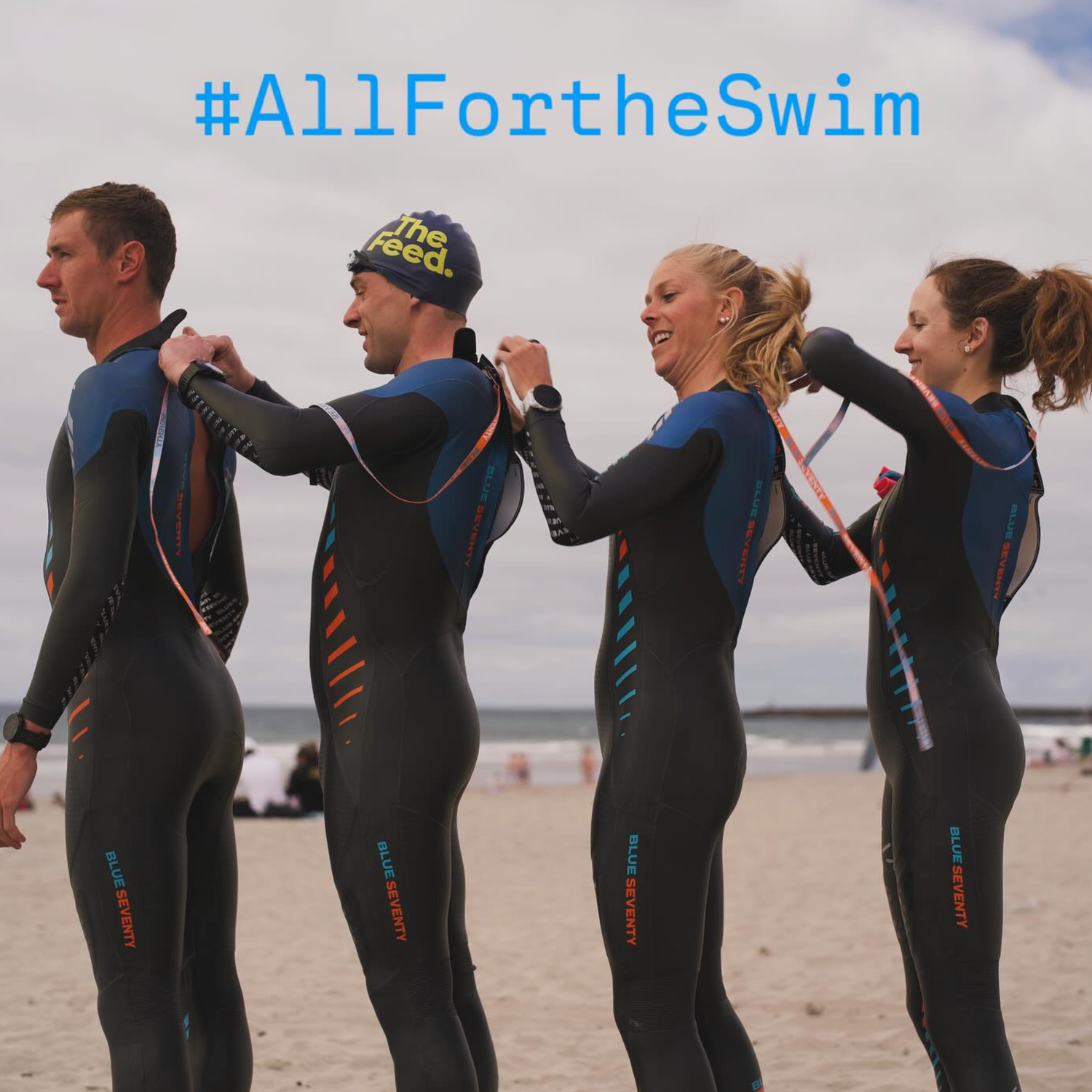
Simple donning steps that make a real difference
- Start with the legs and work the material fully up from the calves.
- Make sure the suit is seated properly through the hips before adjusting the torso.
- Pull the material upward through the torso to remove slack.
- Set the shoulders last so you have freedom overhead.
- Judge the fit in the water whenever possible, not only in a dry try-on.
For women, fit details become even more important. blueseventy’s Femme Fit construction refines key areas like the bust, torso, wrists, and ankles, while also using a lowered neckline for comfort and reduced chafing and an extended zipper length for easier entry and faster transitions. Those are practical design choices that directly affect how the suit swims.
Confidence in open water, used the right way
A well-fitted wetsuit can absolutely help a swimmer feel more comfortable in open water. That is one of the reasons so many first-time triathletes relax noticeably once they start swimming in a suit that supports their position well.
But it’s important to keep that confidence in the right category. It should come from better support for your stroke and better preparation for the conditions, not from the belief that a wetsuit functions like a flotation device.
The most durable open-water confidence comes from:
- repeated practice
- realistic pacing
- good fit
- comfort sighting and breathing in open water
- understanding the conditions
- appropriate safety planning and support
A wetsuit can support your swim. It does not replace judgment, skill, or preparation.
How to choose the right wetsuit if you want more support in the water
If what you really mean by “float coat” is that you want help staying higher in the water and swimming more efficiently, start by getting specific about your needs.
1. Be honest about how you’ll use it
Ask yourself a few basic questions:
- Will this be mainly for racing, training, or both?
- How often will I swim in it?
- Am I looking for help with body position, shoulder freedom, or warmth?
- Will I be doing short sessions, long swims, or cold-water efforts?
2. Match the model to the job
- Sprint is a strong entry point for athletes new to open water or triathlon.
- Fusion is a versatile option for shorter frequent swims and broad all-around use.
- Reaction fits committed swimmers doing frequent and longer sessions.
- Helix is the flagship race suit for swimmers prioritizing top-end flexibility and race-day feel.
- Thermal Reaction is designed for cold-water swimming and provides added thermal protection.
- Reaction Sleeveless can be a smart option for warm water, easier entry, or athletes who prefer a more open shoulder feel.
3. Let water temperature guide the decision
Water temperature changes what matters most.
- Below about 56-58°F, a purpose-built thermal suit adds meaningful warmth.
- Above about 70-72°F, a full suit may feel too warm over longer swims, so sleeveless options or swimskins can become more practical depending on the setting and rules.
[VERIFY: current sanctioning-body rule]
4. Think about durability, not just race-day feel
This is one of the most important trade-offs in the category. The Helix uses very thin, highly flexible neoprene to deliver premium shoulder freedom and feel for the water. That same delicate construction means it is not the ideal choice for heavy training use. If you swim often, a Reaction or Fusion may be a better match depending on your sessions and priorities.
That kind of honest model selection usually leads to a better long-term experience than simply chasing maximum buoyancy.
A useful training lesson: let buoyancy teach you something
Here’s the contrarian takeaway. If your wetsuit makes you feel dramatically better in the water, don’t just enjoy it. Study it.
Notice what changes when the suit supports your line:
- Do your hips sit higher?
- Does your kick quiet down?
- Does breathing feel easier?
- Do you feel less rushed in the front half of the stroke?
Those sensations are useful. They show you what efficient alignment feels like.
Then bring that awareness back into training. Pool sessions, balance work, and bodyline drills can help you recreate more of that position without depending entirely on neoprene. The same idea applies to the LIFT Buoyancy Short. It can be a valuable training tool for learning better position, but the real goal is always improved feel and better swimming mechanics.
The better way to think about a “wetsuit float coat”
If there is one takeaway, it’s this: a swim-specific wetsuit is best understood as a performance layer for alignment, efficiency, and thermal support, not as a float coat.
That mindset helps you ask better questions. You stop focusing only on how much lift a suit gives you and start thinking about how it affects your line, your stroke, your comfort, and your energy cost. That’s a much smarter way to choose gear for open water and triathlon.
For swimmers, buoyancy matters. But what matters most is what that buoyancy allows you to do: hold form, reduce drag, preserve energy, and move through the water with more control.
That’s all for the swim.
Dive in: If you’re narrowing down your options, use the blueseventy sizing resources or Take a Test Swim to feel how proper fit and swim-specific buoyancy translate once you’re actually in the water.