


Most swimmers find a custom wetsuit maker after a frustrating afternoon in a fitting room. A neck gapes. A shoulder binds. A sleeve ends two inches past the wrist. The swimmer blames their body. That instinct is wrong. Wetsuit fit is a pattern and materials problem first. A tape measure cannot fix a suit that is cut for the wrong sport, the wrong body position, or the wrong shoulder mechanics.
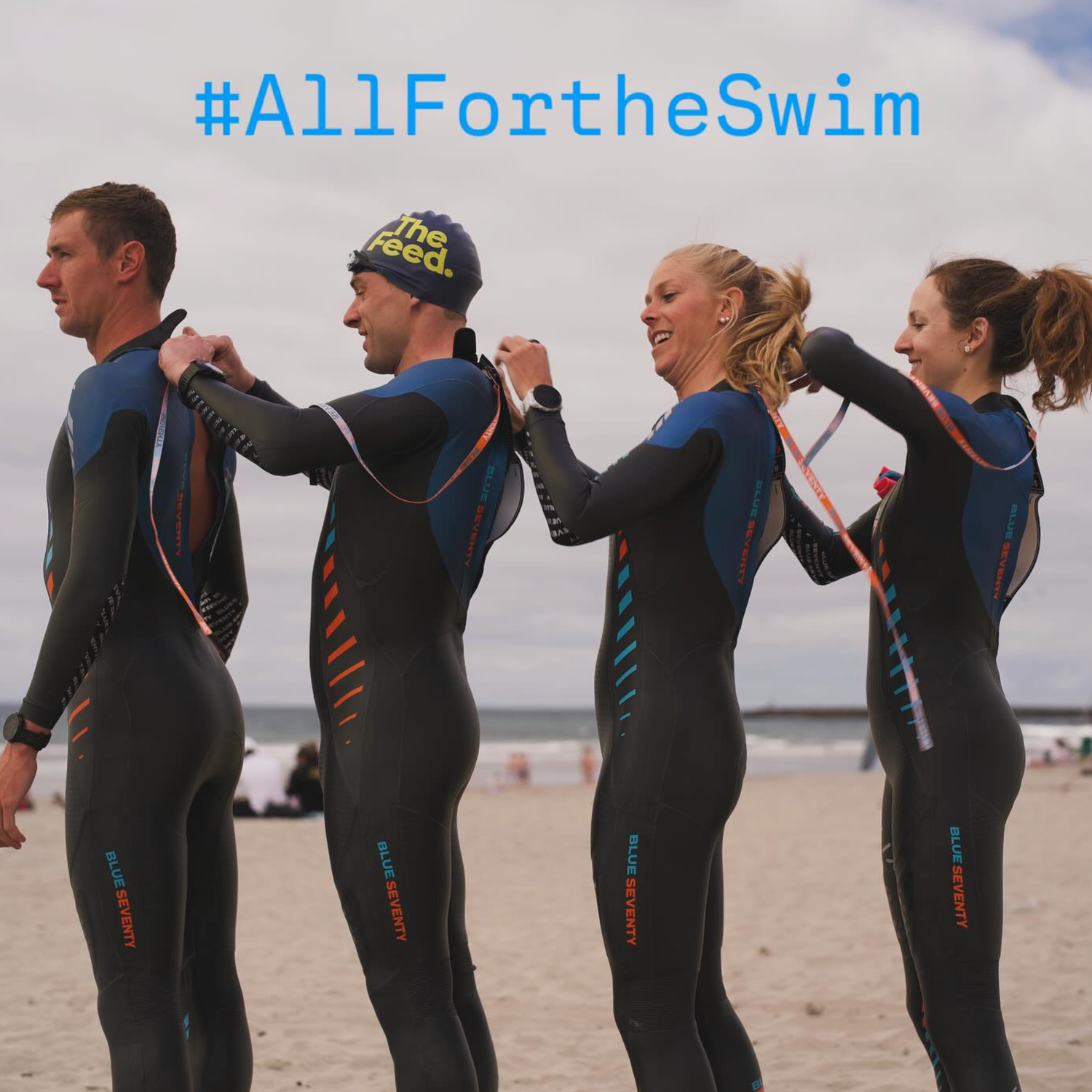
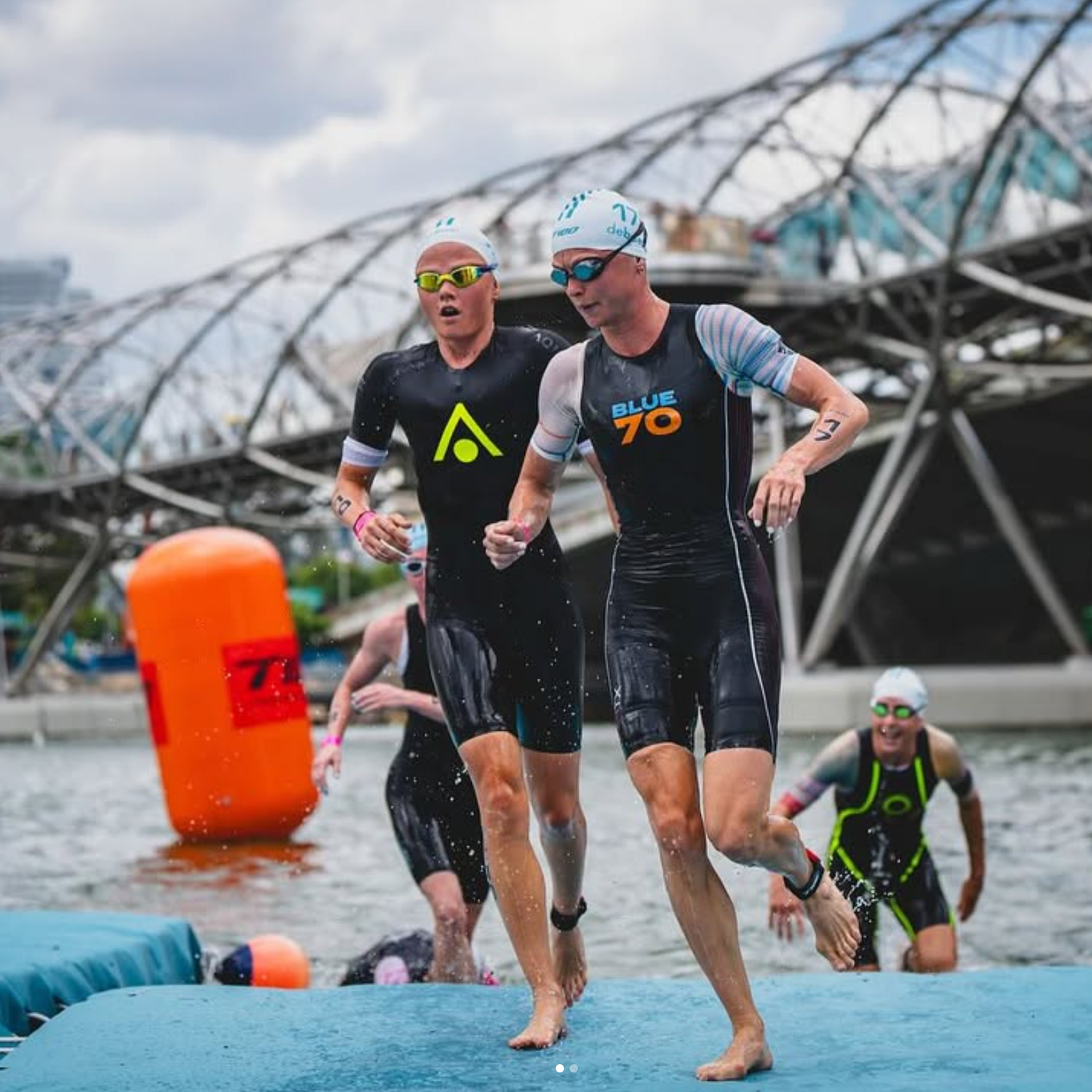
At Blue70, we build swim-specific wetsuits. That distinction matters more than the words "custom" or "made to measure" on a workshop door. Before you pay for a one-off suit, understand what a wetsuit pattern has to do in the water. Then you can decide whether you need a different size, a different model, or a different approach entirely.
A Short History of the Swim-Specific Pattern
The first triathlon wetsuits were adaptations, not tailored garments. In 1993, the company that would become Blue70 introduced one of the world's first triathlon wetsuits and served as the official wetsuit of the Ironman triathlon under an earlier name. The early goal was straightforward: build a neoprene suit that let athletes swim freestyle for an hour without fighting their shoulders. Surf and dive suits prioritize warmth and durability in a mostly vertical body position. Swimming demands overhead range, horizontal balance, and repeated rotation. Those demands forced a different pattern.
Blue70 has refined that pattern over the decades since. The brand renamed itself in 2005. In 2018, the Helix added LIFT buoyancy panels to make lower-body lift more precise. In 2021, the Fusion redesign lowered the neckline to reduce chafing without losing the watertight seal. Each change came from watching swimmers move in the water, not from adding more measurements to a tailor's form.
Measurements Do Not Equal Fit
A made-to-measure suit starts with chest, waist, hip, torso, and inseam numbers. Those numbers describe your body on land, standing still. They do not describe what happens when you swim.
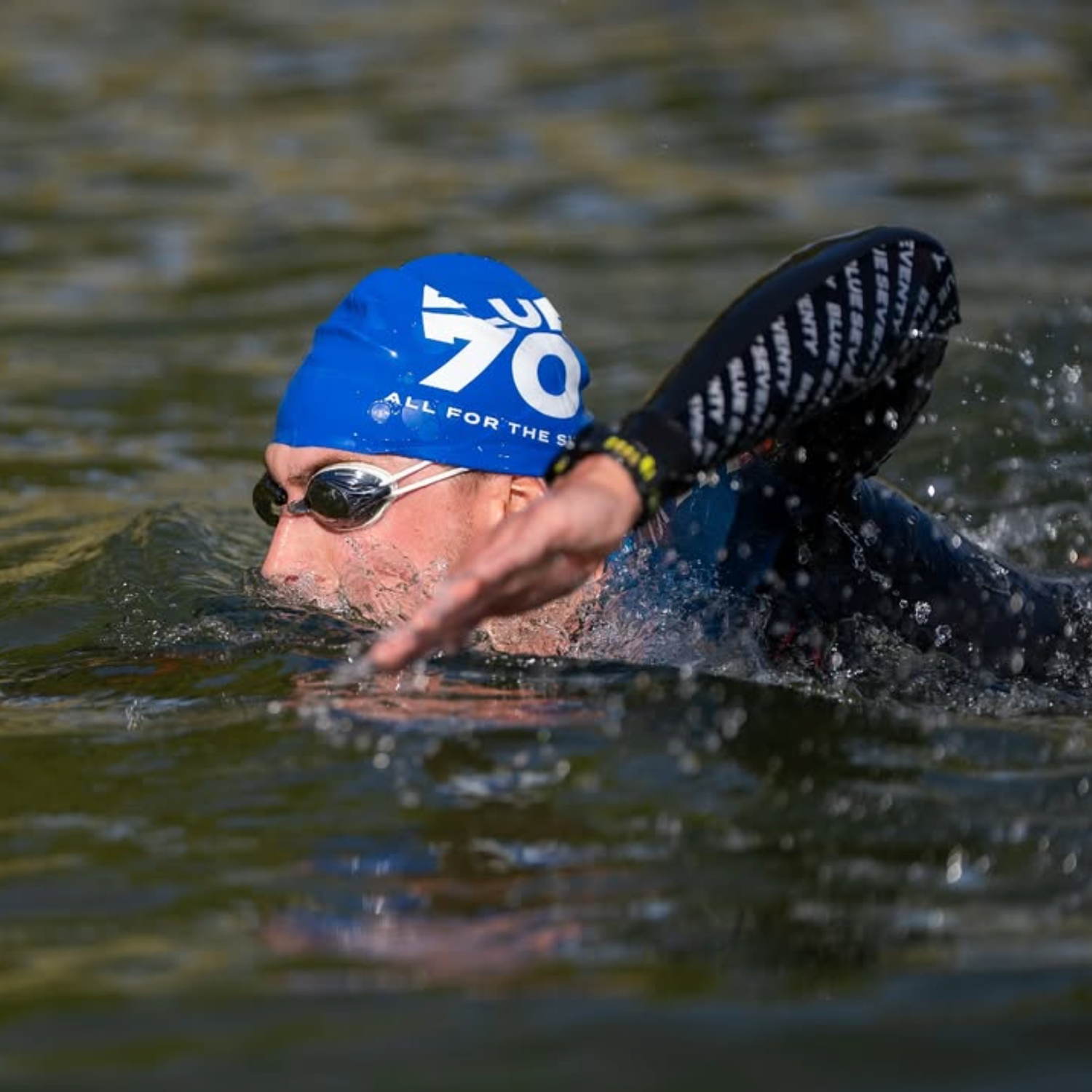
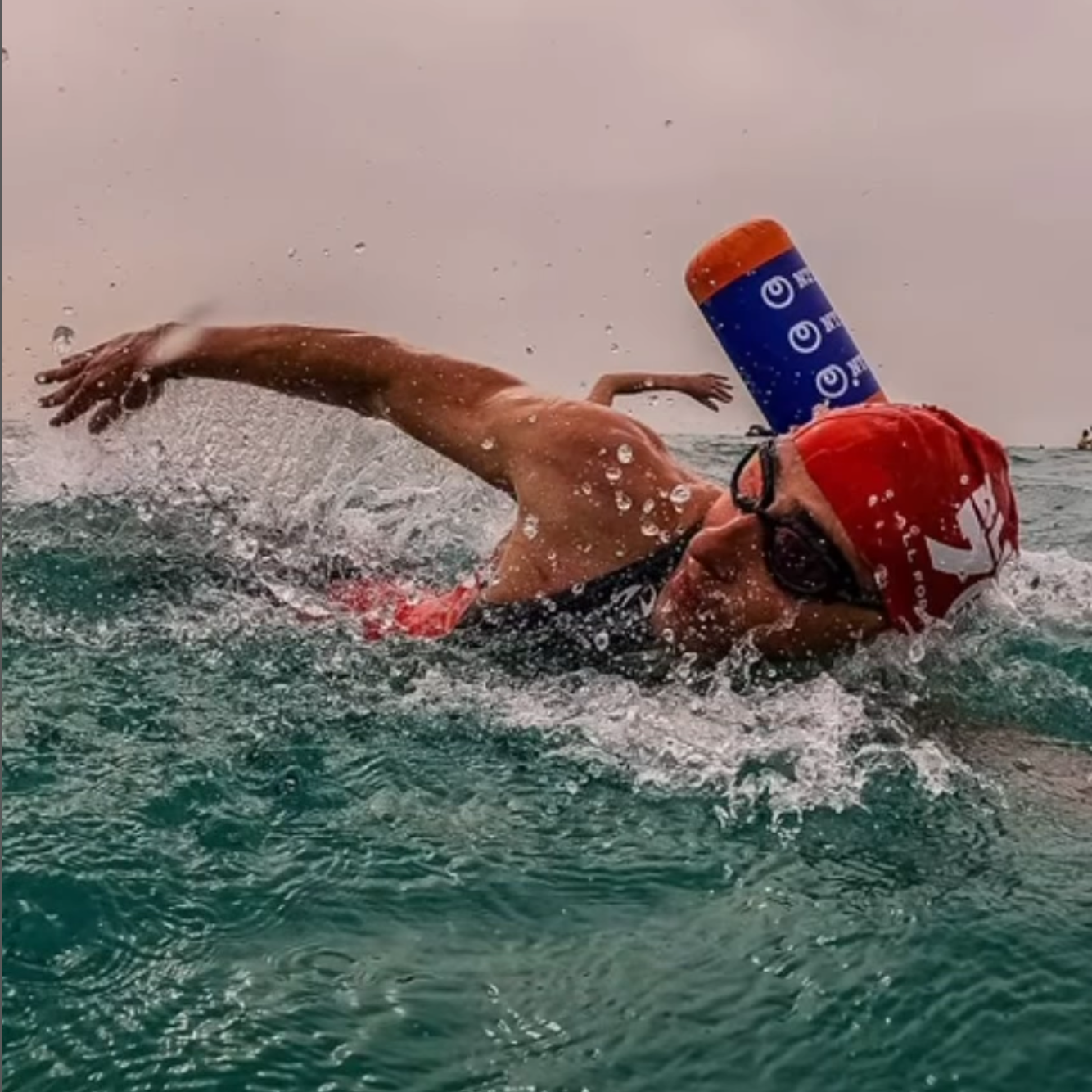
Freestyle repeats three movements: shoulder flexion overhead, internal rotation during the catch, and body roll through the torso. A wetsuit has to allow all three while staying close enough to the skin to limit water entry. If a pattern places a seam or a buoyancy panel where your deltoid moves, no chest measurement fixes it. Blue70 starts with pattern engineering, not tailoring. The size chart is a starting point. The real test is how the suit behaves during a swim.
Four Fit Problems a Swim-Specific Pattern Solves
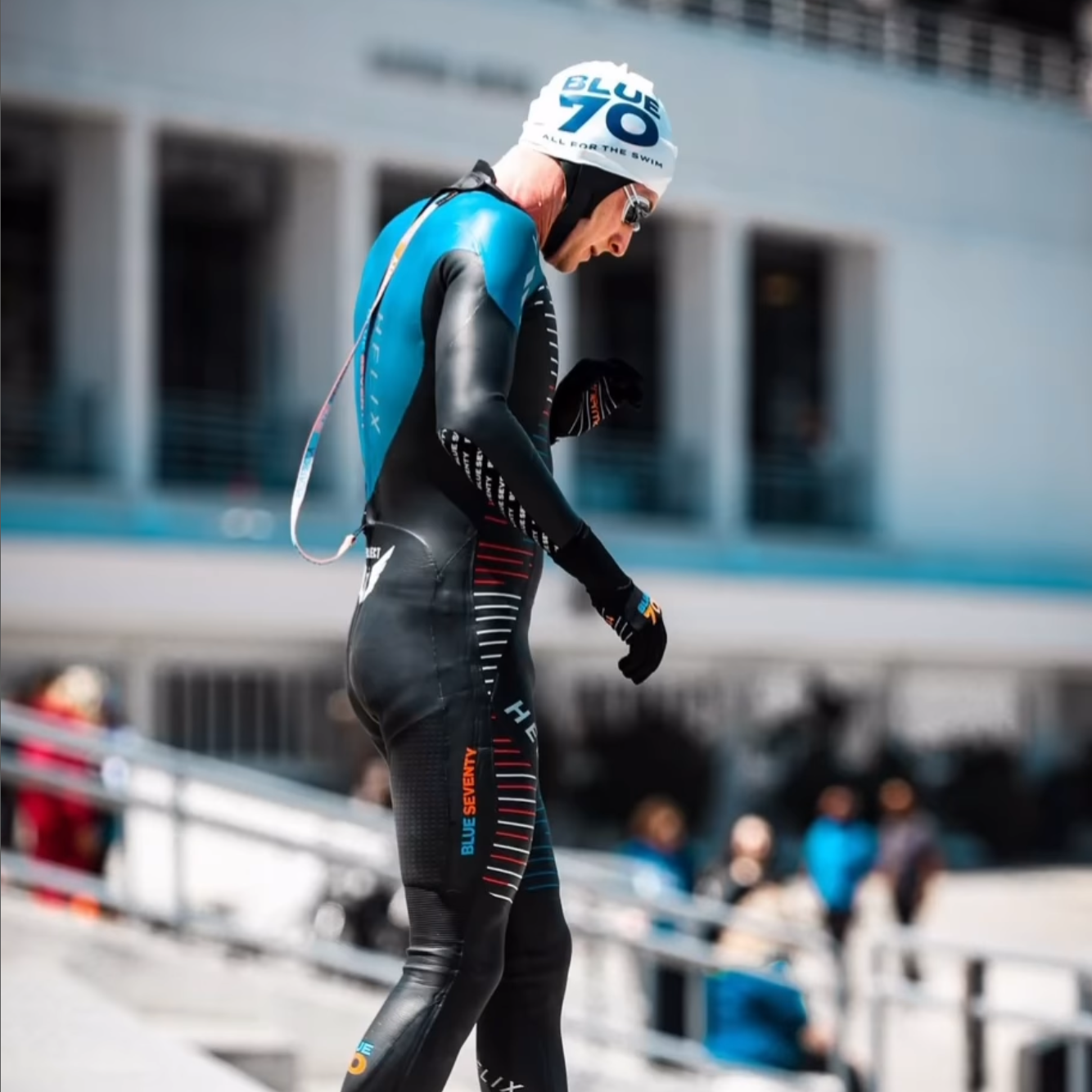
- Shoulder mobility. A wetsuit arm panel has to stretch through the full freestyle recovery without pulling the neckline up or restricting the lat. Blue70 uses Yamamoto neoprene in 38, 39, and 40 cell grades. Higher cell counts mean more flexibility, so designers can use different grades in the arm, torso, and leg panels. On the Helix, a permeable catch panel on the forearm preserves feel for the water during the catch.
- Buoyancy placement. Buoyancy equals speed in the water, but only when it corrects body position. A suit that floats the chest too much can arch the lower back. A suit that floats the hips and legs helps you ride higher without fighting your kick. The Helix added LIFT buoyancy panels in 2018 to make that placement intentional.
- Water seal. A wetsuit works by letting a thin layer of water in, which your body warms. That layer has to stay put. Neck, wrist, and ankle openings need to seal without chafing. The 2021 Fusion redesign lowered the neckline for comfort while keeping the watertight seal.
- Durability where it counts. Thin, high-flex neoprene moves well but breaks down faster with frequent use. A swim-specific pattern balances thin material in moving areas with more durable material in high-wear zones. That trade-off is real, and it is why Blue70 steers frequent swimmers toward the Reaction or Fusion rather than the race-focused Helix for daily training.
Why Women's Fit Needed More Than Smaller Sizes
A women's wetsuit is not a men's suit with smaller numbers. The bust changes how the zipper and neckline sit. The hip-to-waist ratio changes where buoyancy panels land. Wrist and ankle openings need smaller diameters to keep water from flushing through. If a brand simply shrinks a unisex pattern, the fit problems compound.
Blue70 introduced Femme Fit to solve that directly. The pattern changes the key fit areas of the bust, torso, wrists, and ankles. The neckline sits lower to reduce chafing, and the zipper extends longer for easier entry, accommodates wider hips, and speeds up transitions. In 2014, Femme Fit expanded to 15 women's sizing options, and every current women's Blue70 wetsuit uses that pattern.
That matters more than a custom label. A one-off suit cut from a generic unisex block will still fight a female swimmer's shape, no matter how many measurements were taken.
A Practical Fit Check Before You Consider Custom
Before you pay for a made-to-measure suit, do a fit check on a stock swim-specific suit.
On land, the suit should feel snug, not painful. You should be able to breathe deeply and raise both arms overhead without the neck pulling up. If the collar moves toward your chin when you reach overhead, the torso is too short or the shoulders are too tight.
In the water, the suit should warm the thin water layer within a few minutes. No water should flush through the neck, wrists, or ankles. Swim 200 to 400 easy meters and pay attention to three things: shoulder fatigue, neck chafing, and lower-back arch. If your lower back aches after 15 minutes, the buoyancy may be sitting too high in the chest.
Check the lower back when you bend forward into a swim position. The suit should stay against your skin without gapping or riding up. A gap at the lumbar spine points to the wrong torso length or hip circumference, not a body flaw.
What Custom Should Mean When You Do Need It
Some swimmers do have proportions that fall between sizes: a long torso with narrow hips, broad shoulders with a slim waist, or a leg-to-torso ratio outside the size chart. That is when made-to-measure work can help, but only if the base pattern is already swim-specific.
Ask a custom maker three questions before you commit:
- Does your base pattern start from swim-specific panels or a surf and dive block?
- Can I test swim before the final suit is finished?
- What happens if the suit binds at the shoulder after 20 minutes in the water?
If the answers are vague, the tape measure will not save you.
Blue70's approach to those swimmers has been broader sizing and gender-specific patterns rather than one-off tailoring. A women's size run with 15 options, a size chart built on height and weight, and a Test Swim policy give most swimmers a fit path without the wait or cost of a true custom build. If you are between sizes, the fit guide and size charts are the place to start.
Care, Because Fit Changes When Neoprene Stretches
No wetsuit keeps its exact fit forever. Neoprene stretches with use, and thin high-flex panels stretch faster than thick buoyancy panels. That is another reason a custom suit is not a permanent solution. Proper care slows the change.
Rinse your suit in cool fresh water after every swim. Dry it flat or inside out, away from heat and direct sun. Do not hang it by the shoulders. Use your fingertips, not nails, when pulling it on, and repair small tears early with Aquaseal neoprene cement before they grow.
A well-cared-for suit also resells or exchanges more easily. Blue70's 30-day Test Swim policy gives you time to verify fit in real water, and clean, dry suits can still be returned or exchanged within that window.
The Pattern Is the Product
A custom wetsuit maker can cut a suit to your exact dimensions. If the underlying pattern is not designed for swimming, the result will still restrict your shoulders, misplace buoyancy, or leak at the neck. Fit depends on pattern, material, and movement, not the tape measure.
Blue70 builds that problem solving into the pattern itself: swim-specific panel shapes, Yamamoto 38/39/40-cell neoprene, Femme Fit, and LIFT buoyancy placement. When the pattern is right, most swimmers do not need a custom tailor. They need the right size, the right model, and a real swim to prove it.
Take a Test Swim. Find your size in 30 seconds, then swim in the suit before you commit. If it does not move with you, exchange it. Fit should be proven in the water, not on a measuring table.
Happy swimming.