


If you are reading about custom triathlon wetsuits, you probably wore a suit that fought you. The neck choked, the legs sagged, or the shoulders pulled. The instinct is to fix it with a made-to-measure pattern. At blueseventy, I hear that instinct often. Most fit problems, though, start with donning and size selection, not panel measurements.
Water pushes against every wrinkle and gap in a wetsuit. At race pace, even a small fold adds drag. Fit is speed. That is why fit matters more than almost anything else in a swim-specific suit, and why a blueseventy wetsuit that feels snug on dry land often feels neutral after you slide in and let the thin water layer warm against your skin. A good fit is not about being dry. It is about moving without the suit fighting your stroke.
What Made-to-Measure Changes
Custom construction changes panel dimensions. It does not change how the neoprene behaves. Blueseventy suits use Yamamoto neoprene in 38, 39, and 40 cell grades. Higher cell counts mean more stretch and softer recovery. If your shoulders feel restricted, the answer is often a more flexible arm panel, not a bigger armhole. The chest and hip panels do a different job. They support your body position and keep your hips near the surface. A made-to-measure suit can reshape those panels, but it cannot alter the stretch properties of the foam itself.
The Pattern Library That Replaced One-Off Tailoring
Early triathlon wetsuits were simpler. Blueseventy started in 1993 as Direct Innovations and made one of the first triathlon wetsuits. The early suits had to support a horizontal body position and a forward arm cycle. Over time, we learned that fit lives in the pattern, not just the panel. In 2014, Femme Fit expanded to 15 women's sizing options. The patterns changed across the bust, torso, wrists, and ankles. We lowered the neckline. We extended the zipper for easier entry and faster transitions. That depth of sizing is the practical alternative to custom. The 2021 Fusion redesign added a lower-sitting neck without breaking the watertight seal. For many swimmers, that one pattern adjustment removed the throat pressure that felt like a sizing problem.
Fit Variables That Matter More Than the Tape Measure
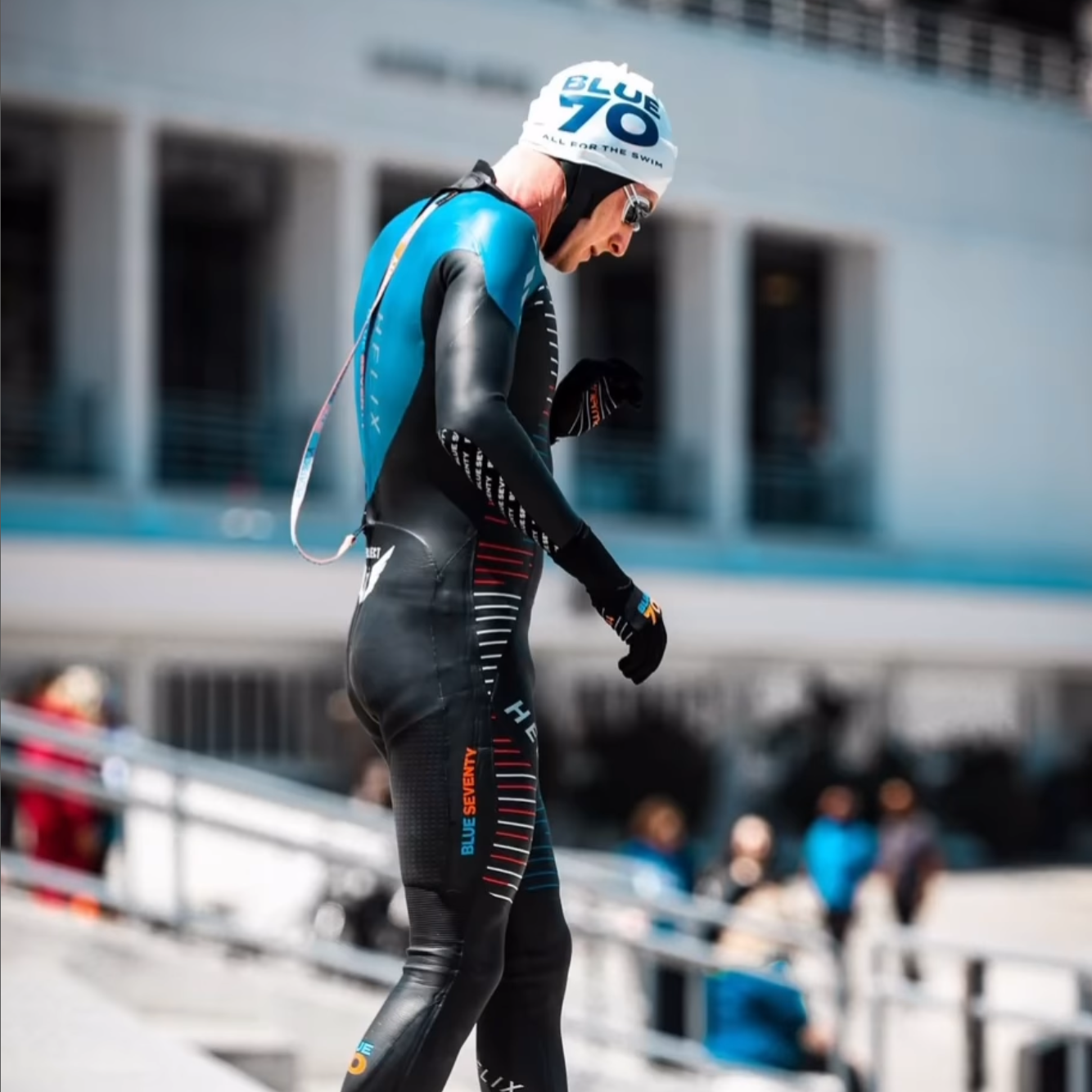
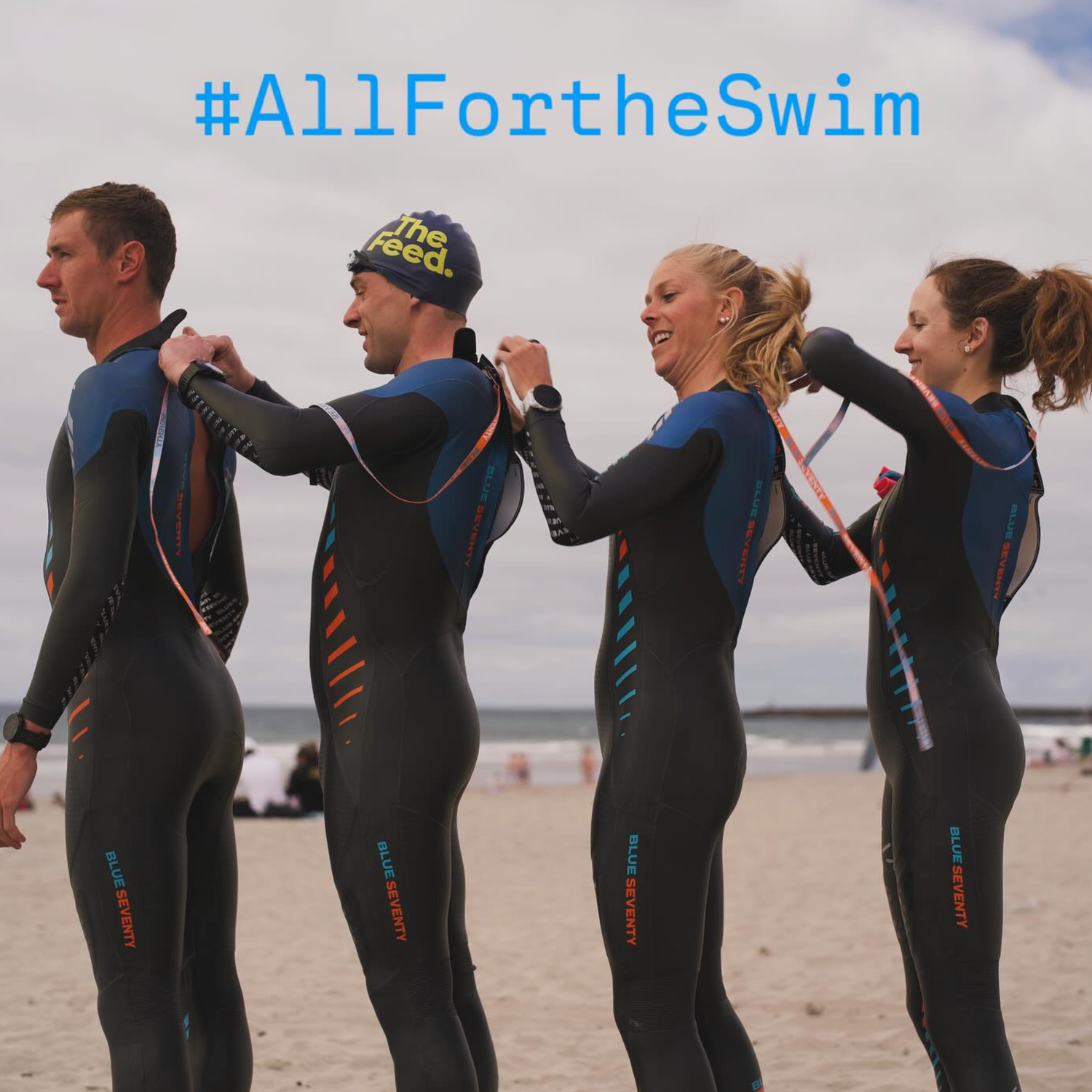
A tape measure gets you to the right row on the size chart. It will not tell you how the suit feels after you pull it up. Most shoulder fatigue comes from a suit that sits too low on the torso. The legs have to come all the way up before you settle the shoulders. The suit should sit tight against your armpits. The shoulder seams should land on your shoulders, not halfway down your back. Chest circumference is not the only number. Hip circumference and torso length decide whether the suit bunches at the waist or drags down at the neck. Start with the measurement that matches your primary fit area, then check the other zones. A suit that is too loose traps water and adds weight. A suit that is too tight restricts breathing and shoulder rotation. Neither one is fast.
When a True Custom Suit Earns Its Price
Made-to-measure makes sense for a narrow group. A long torso with short legs. A chest-to-waist drop far outside graded sizes. Shoulders that do not match standard armhole patterns. Before you pay for that option, test a graded suit first. Blueseventy's pattern system, combined with the Test Swim policy, covers most body shapes. You can swim in a blueseventy wetsuit and still return or exchange it within 30 days as long as it is clean, dry, unmodified, and has the tags. A wet test tells you more than a measurement sheet ever will.
Test the Fit You Already Have
Start on land. Put the suit on. Pull the legs all the way up, work the torso high, and reach overhead. Check the neck. It should sit flat. The lower neckline on the 2021 Fusion should not creep up your throat. Then swim easy for ten minutes. Let water get inside and warm up. A suit that felt tight on dry land should feel neutral in the water. If your shoulders still pull after ten minutes, redo the donning before you change sizes. Most restriction comes from extra neoprene bunched in the lower torso. Pull the suit up from the legs first, then adjust the top.
Where Fit Goes Next
The next step in fit is not more custom sewing. It is deeper size grading and smarter pattern shapes. A 3D scan gives a static measurement. A wetsuit works in motion, under water pressure, through thousands of rotations. The progress will come from patterns that allow rotation and breathing without adding excess material. That is the work we are already doing at blueseventy.
Start With the Fit System We Already Built
Before you order a custom triathlon wetsuit, use the fit system in front of you. Check the size charts. Watch the fitting video. Take a Test Swim. It will not affect your return. A proper fit leaves you free to rotate, sight, and breathe. A wetsuit lets a thin water layer in and moves with your stroke.
Start with the size charts, then take it for a swim. Happy swimming. All for the swim.