


A used wetsuit donation program sounds like a simple idea. Collect suits, pass them along, help more people get in the water. In practice, the success of the program depends on one thing: fit.
A wetsuit is not general apparel, and it is not interchangeable equipment. It is swim-specific gear that affects body position, shoulder movement, neck comfort, thermal protection, and how confident someone feels in open water. If the next swimmer gets a suit that fits poorly, the donation did not solve much. It just moved the problem to a new athlete.
That is why the strongest donation programs do not begin with a pile of old gear. They begin with a better question: who can still use this suit well, and for what kind of swimming?
Why used wetsuit donation is different from other gear donation
A lot of swim gear can survive a loose match between athlete and equipment. A pull buoy, kickboard, or mesh bag can still do its job even if it is not ideal for the next owner. A wetsuit works differently. It needs to sit close to the body to perform the way it was designed to perform.
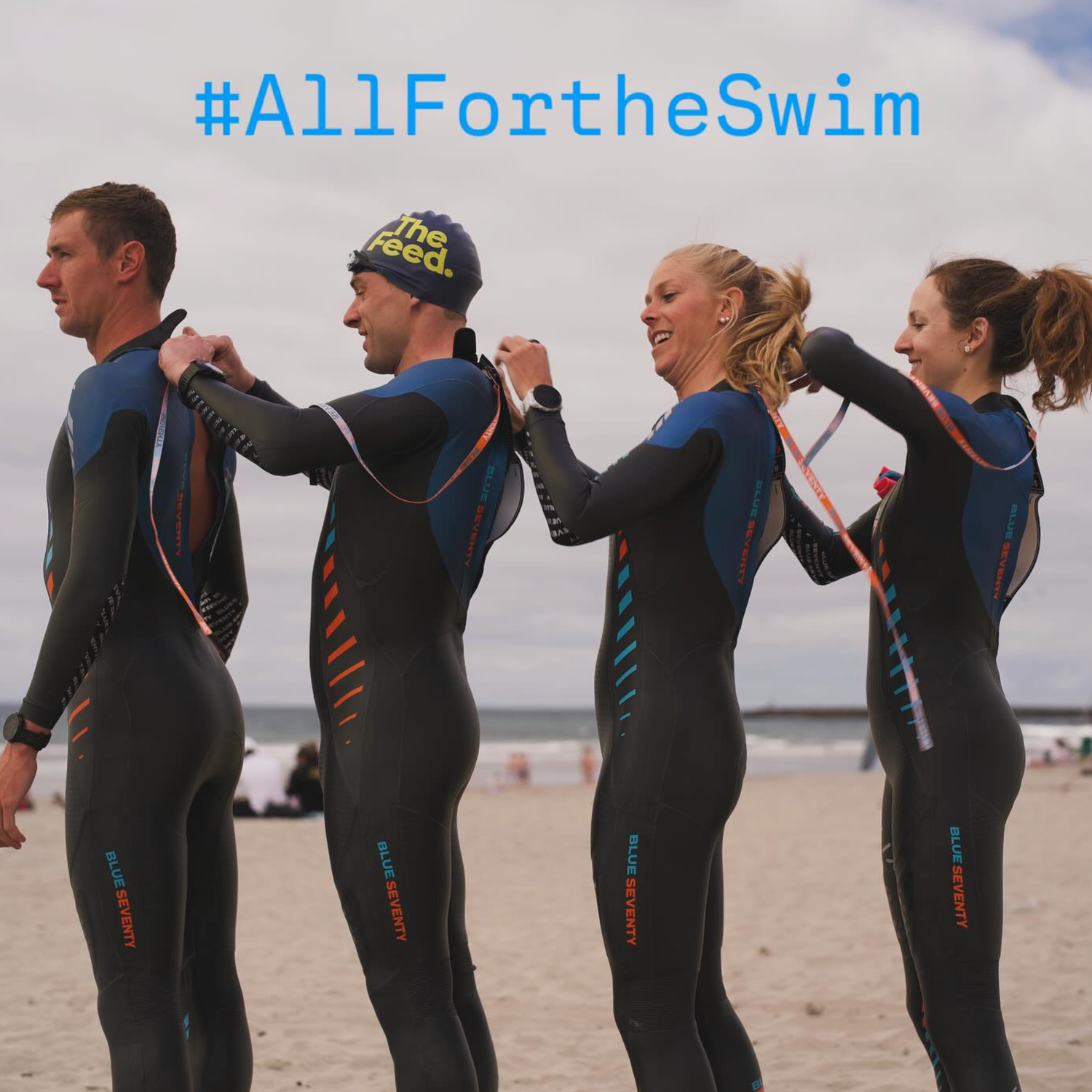
When a swim-specific wetsuit fits correctly, it feels snug on land and more natural once you are in the water. That close fit supports better body position, limits excess water movement inside the suit, and allows the shoulders to move with less restriction. If the torso is too short, the swimmer feels strain through the reach and catch. If the legs are too long, material can bunch behind the knees. If the neckline sits wrong, the problem shows up within minutes.
Used suits add one more variable. Neoprene changes with time, use, and storage. Shoulders can soften. Ankles can stretch. Surface nicks from fingernails can become weak points. That means a donation program should never ask only, "Is this suit still wearable?" It should ask, "What kind of swimmer can still use this suit effectively?"
Modern wetsuit design made donation more technical
As swim-specific wetsuits became more refined, used wetsuit donation became more technical. That is a good thing for performance, but it means donation programs need better sorting.
blueseventy has spent years refining wetsuit design around the needs of swimmers and triathletes. The Helix became the flagship in 2005. Femme Fit expanded women's sizing options in 2014. The brand introduced Thermal Helix in 2015 as a purpose-built cold-water option in the line. LIFT buoyancy panels were added to the Helix in 2018. The Fusion redesign in 2021 introduced a lower-sitting neckline for comfort while maintaining the seal.
Those details matter because they show how specific wetsuit design has become. One suit may be better suited for frequent training. Another may be built around race-day freedom in the shoulders. Another may be the right choice for colder water. Donation programs work better when they respect those differences instead of treating every full suit as the same piece of inventory.
What a donation program should inspect before passing a suit along
A useful wetsuit donation program needs a repeatable inspection process. It does not have to be complicated, but it should be consistent and specific.
Shoulder condition
The shoulders tell you a lot about the remaining life of a suit. High-flex neoprene works hard during every stroke, especially in a swim-specific wetsuit designed for open-water swimming and triathlon. If the shoulder panels show permanent creasing, abrasion, or loss of rebound, the next swimmer may feel restriction early in the session.
This matters because beginners often blame themselves for that sensation. They think their stroke is the issue, when the real problem is worn material or a suit that never sat properly on the body.
Neckline shape
Neck comfort often decides whether someone comes back for a second open-water swim. Look for stretching, distortion, rough edges, or visible wear around the collar. A neckline that no longer sits cleanly can change comfort and seal at the same time.
Wrists and ankles
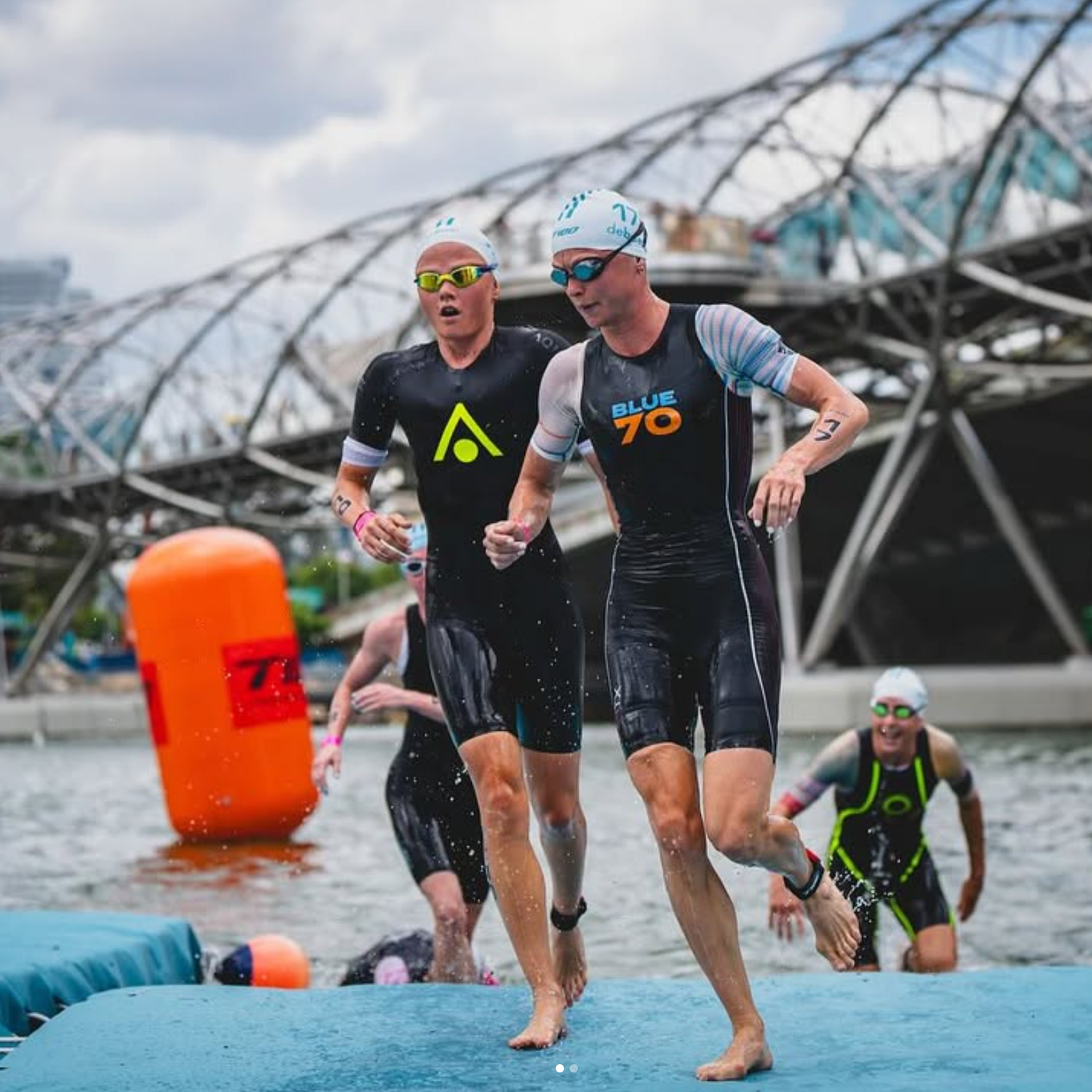
These are high-stress zones. Every entry and every exit pulls on them. Cracks, overstretching, and tears around the wrists and ankles affect durability, comfort, and transition performance. A suit can still be usable for training while no longer being a good option for race day.
Panel compression
Buoyancy depends on the condition of the neoprene. Over time, some panels compress more than others. You can often feel the change through the hips and legs with a simple hand check. If one side feels packed down and another does not, the suit may no longer support body position evenly in the water.
That is not a small detail. blueseventy's guidance is clear: buoyancy equals speed in the water. If the buoyancy profile has changed too much, the suit may not give the next swimmer the experience they expect.
Repair history
A repaired wetsuit can still be a good donation. The key is honesty. Small sealed nicks are common. Larger repairs near seams, underarms, or the zipper base deserve closer inspection and clear labeling. blueseventy carries Aquaseal neoprene cement in its wetsuit care range because normal maintenance is part of owning a wetsuit, but repairs should always be disclosed before a suit changes hands.
The best donated suit is often not the most expensive one
Many athletes assume the top-end race suit will make the best donation. In many cases, it will not.
The best donated suit is usually the one that still matches the next swimmer's actual training and racing needs. A well-kept suit built for regular use often delivers more value than an older race suit with delicate shoulder material and years of wear behind it.
blueseventy's own selection logic points in that direction. Reaction is recommended for frequent, longer swims. Fusion is recommended for shorter frequent swims and features the 2021 lower-sitting neckline redesign for comfort. Sprint gives newer swimmers and triathletes a more accessible entry point. Sleeveless options and Short John styles often make sense in warmer water or for athletes who want an easier fit.
That same thinking should guide donation. The important question is not what the suit used to be. The important question is what the suit is still good at now.
Donation can change who stays in open water
The biggest value in wetsuit donation is not cleanup. It is participation.
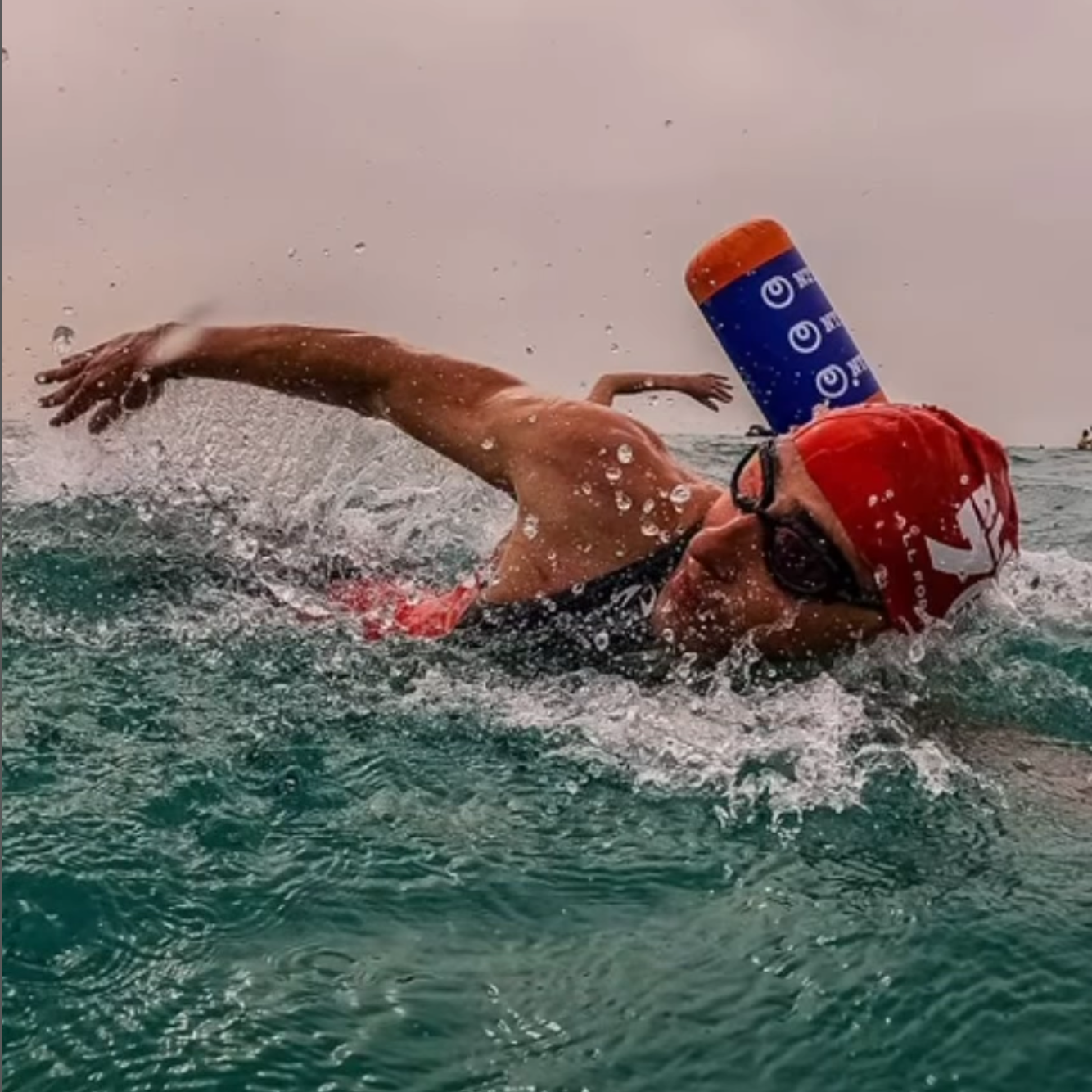
Open-water swimming asks a lot from a first-timer. The water is colder than the pool. Visibility is different. Breathing can feel rushed. Sighting interrupts rhythm. Group starts add pressure. If the wetsuit also feels restrictive, the athlete often decides the sport is the problem.
A better donation program can reduce one of those barriers. A swimmer who starts with a suit that fits, seals comfortably, and lets the shoulders move naturally has a better chance of settling into the session and coming back the following week.
This point matters even more for women who have had poor experiences in wetsuits that never fit them properly. blueseventy's Femme Fit work focused on bust, torso, wrists, and ankles, while also lowering the neckline for comfort and extending zipper length to make entry easier and transitions faster. Those design details reflect a simple truth: a bad fit is not a minor inconvenience. It changes the whole swim.
Sort donation inventory by water temperature, not only by size
A wetsuit donation program should match suits to conditions as carefully as it matches suits to athletes.
blueseventy's published guidance gives clear ranges that help with this process. Below about 56 to 58°F, a purpose-built thermal suit such as the Thermal Reaction adds thermal protection for cold-water swimming. Above about 70 to 72°F, a full suit can become too warm over longer swims, and a sleeveless suit or another warm-water option can be the better choice depending on the session. [VERIFY: current sanctioning-body rule]
This matters because a donated suit only helps if it gets used. In one community, the priority may be thermal suits that extend the open-water season. In another, the need may be lighter options that remain comfortable in milder water.
A practical way for clubs and teams to run the program
If a tri club, masters group, or local race community wants to build a used wetsuit donation program, the structure should be simple and useful.
- Sort by use case first. Use categories such as first open-water suit, regular training, race day, cold-water swimming, and warm-water or sleeveless use.
- Keep fit notes with the suit. Add notes like short torso, broad shoulders, snug calves, comfortable neckline, or quick ankle release.
- Inspect common damage points. Check the neckline, underarms, zipper track, zipper base, seams, wrists, ankles, and lower legs.
- Clean and store correctly. Rinse with fresh water, dry the suit fully, and keep it away from heat and sharp folds.
- Build in a test swim. Dry-land fit only tells part of the story. A short swim reveals whether the shoulders are positioned correctly and whether the neck stays comfortable once the swimmer starts working.
That final step matters a lot. blueseventy's Take a Test Swim policy reflects the reality that wetsuit decisions are made best in the water, not in front of a mirror.
Some suits should be retired
Not every used wetsuit belongs in a donation bin.
If the shoulders have lost their snap, the neckline is badly distorted, the zipper base is compromised, or multiple major repairs sit around key seams, the suit may have reached the end of its useful life. The same goes for visible damage from heat or chlorine, heavy panel compression through the legs and hips, or repeated heel damage that keeps reopening.
A donation program should lower the barrier to entry for the next swimmer. It should not pass along equipment that creates confusion, discomfort, or early failure.
What donors should include with the suit
Donors can make the handoff much more useful with a little detail. A short note attached to the suit helps the next swimmer and helps the program organizer place it correctly.
- Model name
- Approximate age
- How often it was used
- Any repairs
- How it fit in the water
- Best remaining use case, such as training, occasional racing, beginner open water, or cold-water sessions
That kind of note gives the next athlete more than neoprene. It gives them context.
Coaching should be part of the donation
The strongest wetsuit donation programs include a few minutes of instruction at pickup or handoff. Show the swimmer how to pull the suit up through the legs and hips before zipping it. Explain why shoulder placement changes how the stroke feels. Remind them to protect the neoprene from fingernails. Show them how to remove the suit without forcing the zipper or tearing the ankles with the heel.
Those details often decide whether the swimmer leaves their first session thinking the suit worked or thinking wetsuits are uncomfortable. The gear matters, but the guidance matters too.
A used wetsuit donation program works when it treats the wetsuit as technical swimming equipment, not spare apparel. Start with fit. Check condition honestly. Match the suit to the water and the swimmer. That is how old gear keeps doing good work.
If you are helping an athlete find the right fit, blueseventy offers a fitting guide, size charts, and a Test Swim option so the final call happens where it should: in the water.