


A 5/4 mm wetsuit sounds like a clear answer to cold water. More neoprene should mean more warmth, more buoyancy, and a better swim. Once you are actually swimming freestyle in open water, that simple logic starts to fall apart.
Swimming exposes every compromise in a wetsuit. If the suit resists your shoulder rotation, dulls your catch, or changes your body position in a way that feels forced, extra thickness stops feeling like an advantage. The problem is not warmth by itself. The problem is how that warmth is delivered while you are trying to hold form for twenty, forty, or sixty minutes.
That is why swimmers should treat 5/4 mm as a starting point, not a decision. A good cold-water swim wetsuit has to do more than insulate. It has to let you swim well.
What 5/4 mm actually describes
A 5/4 mm wetsuit uses neoprene that is about 5 mm thick in some panels and 4 mm thick in others. Most often, the thicker material sits through the torso, while slightly thinner panels are placed where the suit needs to move more easily.
Those numbers affect three things that matter in the water:
- thermal protection
- buoyancy
- range of motion
All three matter. They do not all improve at the same rate. More thickness can add warmth and lift, but it can also increase the effort cost of every stroke if the patterning, panel layout, and material choice are wrong for swimming.
Why swimmers experience thickness differently
Freestyle is repetitive overhead movement under tension. You rotate, extend, anchor, and press against the water thousands of times in a single session. A wetsuit that feels acceptable when you are standing on shore can feel heavy or restrictive once you settle into a steady rhythm.
Swim-specific wetsuits have to support a horizontal body line, preserve freedom through the shoulders, and keep the neckline comfortable enough that breathing still feels natural. That design brief is different from the needs of many other water sports. For swimmers, comfort is inseparable from stroke quality.
blueseventy has approached wetsuit design from that swim-specific point of view for decades. The brand’s focus has stayed consistent: comfort, freedom from restriction, and performance in the water. That matters even more when cold conditions tempt athletes to reduce the whole conversation to one number on a spec sheet.
Why a thicker suit can make the swim harder
This is the part many swimmers discover the hard way. A warmer-feeling suit can still make the session worse if it interferes with mechanics.
Shoulder fatigue shows up sooner
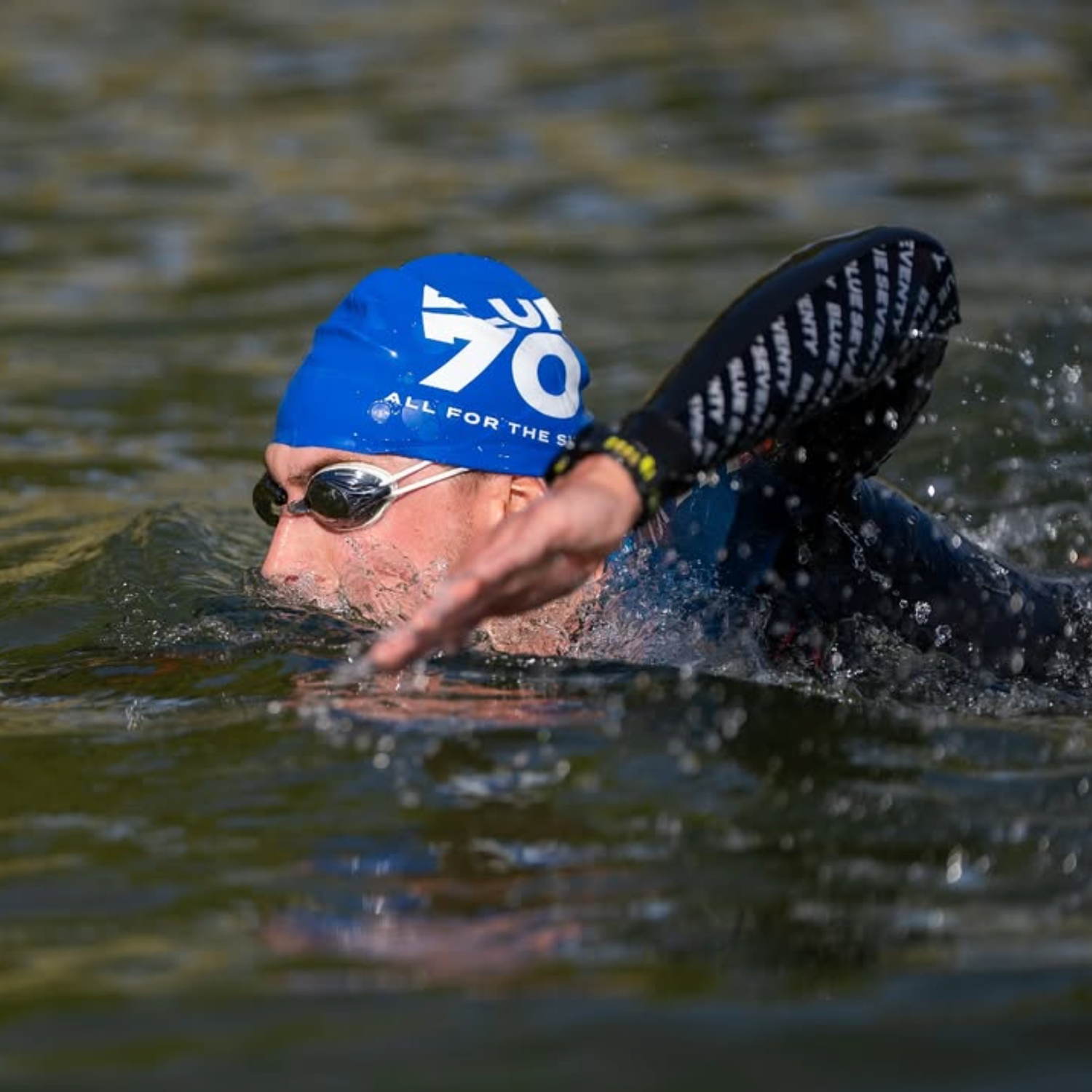
Every bit of resistance in the suit is repeated stroke after stroke. Extra thickness across the shoulders and upper chest can shorten your recovery, reduce your stroke rate, and add tension where you want fluid movement. You may not notice it in the first two minutes. You will notice it halfway through a continuous swim.
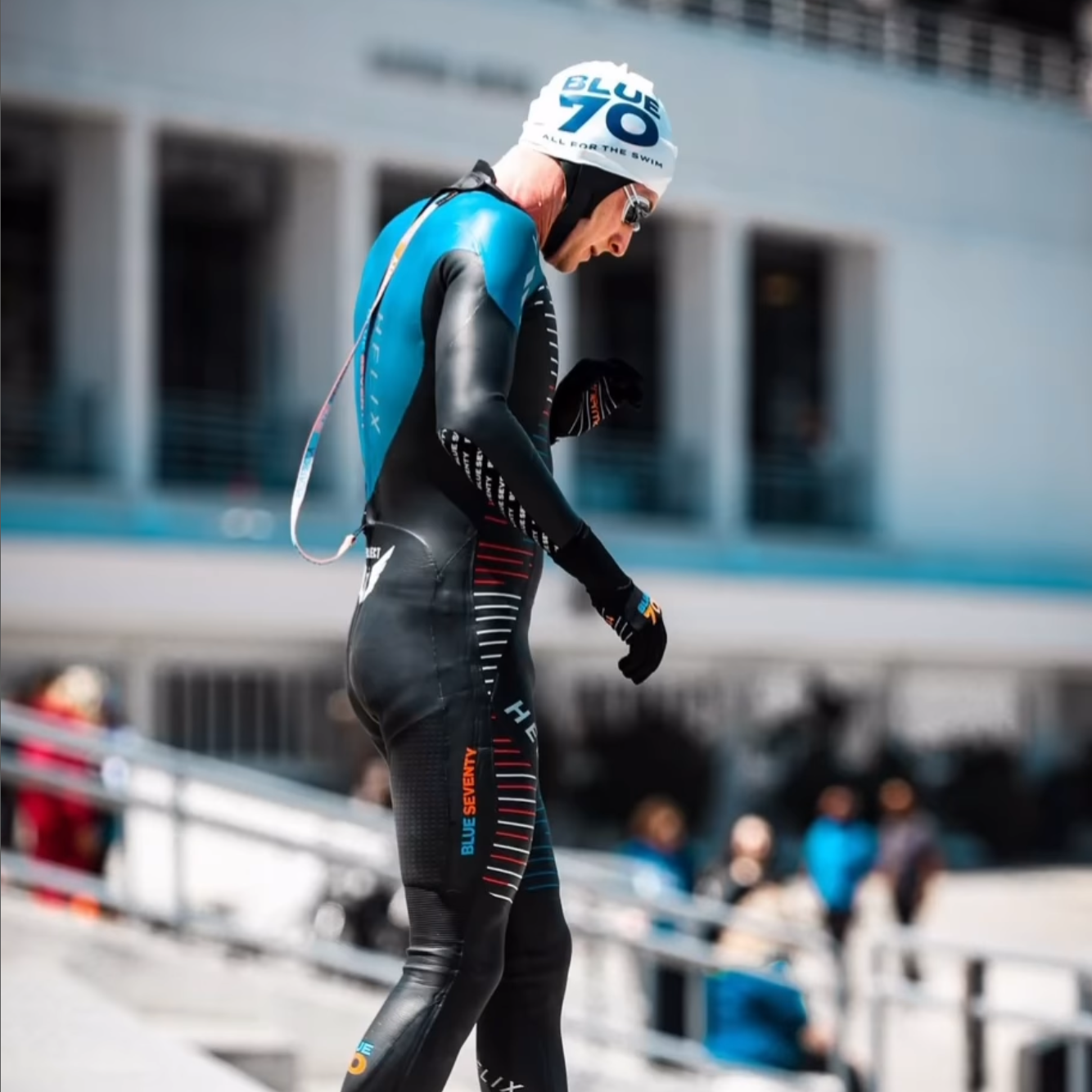
That trade-off explains a lot about swim-specific design. The blueseventy Helix, priced at $995 on the blueseventy US site as verified on 2026-07-25, uses very thin neoprene in the arms and shoulders because race-day swimming rewards flexibility. The same principle matters in colder water. Warmth helps, but shoulder freedom still decides how well you swim.
The catch can lose precision
Good swimmers pay attention to feel. If the suit changes what you sense through the forearm and hand, the front end of the stroke becomes less precise. That can affect pacing, rhythm, and confidence in rough water or during harder efforts.
blueseventy addressed that in the Helix with a permeable catch panel, first introduced in 2010, to preserve feel for the water. That feature belongs to a top race suit, but the lesson is broader. A swim wetsuit should work with the stroke, not numb it.
Buoyancy can help or hinder
blueseventy’s guidance is straightforward: buoyancy equals speed in the water. That is true when flotation improves body position. If the lift is poorly balanced, the suit can make your stroke feel awkward instead of smooth.
Less experienced swimmers often gain a lot from wetsuit buoyancy because it helps them hold a better line. More experienced swimmers benefit too, but they tend to notice poor buoyancy placement much sooner. Lift is useful only when it supports the way you swim.
Why thermal lining matters more than many swimmers think
Cold-water swimmers often fixate on neoprene thickness because it is easy to compare. Lining deserves more attention.
The blueseventy Thermal Reaction, priced at $785 on the blueseventy US site as verified on 2026-07-25, is fully lined with Zirconium jersey, a synthetic wool lining used for added warmth in cold water. That detail matters because thermal performance does not come from thickness alone. Lining changes how the suit feels over time, especially during longer sessions when your comfort and concentration start to fade.
blueseventy’s published guidance identifies water below about 56 to 58°F as the point where a purpose-built thermal suit adds meaningful warmth. That is a more useful reference point than assuming a 5/4 mm label tells the whole story.
How swim wetsuit design evolved past thickness-first thinking
Swim and triathlon wetsuits did not develop in a straight line toward thicker suits. They developed toward smarter ones.
blueseventy’s own history shows that shift. The company began in 1993, opened its US office in Seattle in 2002, and became blueseventy in 2005. The Thermal Helix joined the line in 2015 as a purpose-built cold-water swimming wetsuit. In 2018, blueseventy added LIFT buoyancy panels to the Helix. Those milestones reflect years of refinement around flexibility, buoyancy placement, and swim-specific performance.
That history matters because it reframes the 5/4 mm conversation. Better swim wetsuits did not emerge from adding thickness for its own sake. They improved because designers kept solving swimming problems: shoulder restriction, poor fit, awkward flotation, and loss of feel for the water.
Questions that matter more than the thickness label
If you are trying to choose a cold-water wetsuit, start with your actual swimming rather than a category shorthand. Ask yourself:
- How cold is the water I swim in most often?
- How long am I usually in the water?
- Am I training, racing, or doing both?
- Do my shoulders tire early in stiffer suits?
- Do I tend to get cold quickly, or do I heat up once I settle into pace?
- Does extra buoyancy improve my body line or disrupt my timing?
Those answers lead to a better choice than thickness alone. Above about 70 to 72°F, blueseventy’s published guidance notes that a full suit can become too warm over longer swims, which is why sleeveless suits or swimskins become more appropriate in warmer water. In colder conditions, the right answer usually comes from balancing warmth, fit, and stroke freedom.
Fit changes everything
A cold-water wetsuit that is pulled on poorly will feel more restrictive than it should. Swimmers often blame thickness when the real problem is that the suit is sitting low through the shoulders or bunching across the chest.
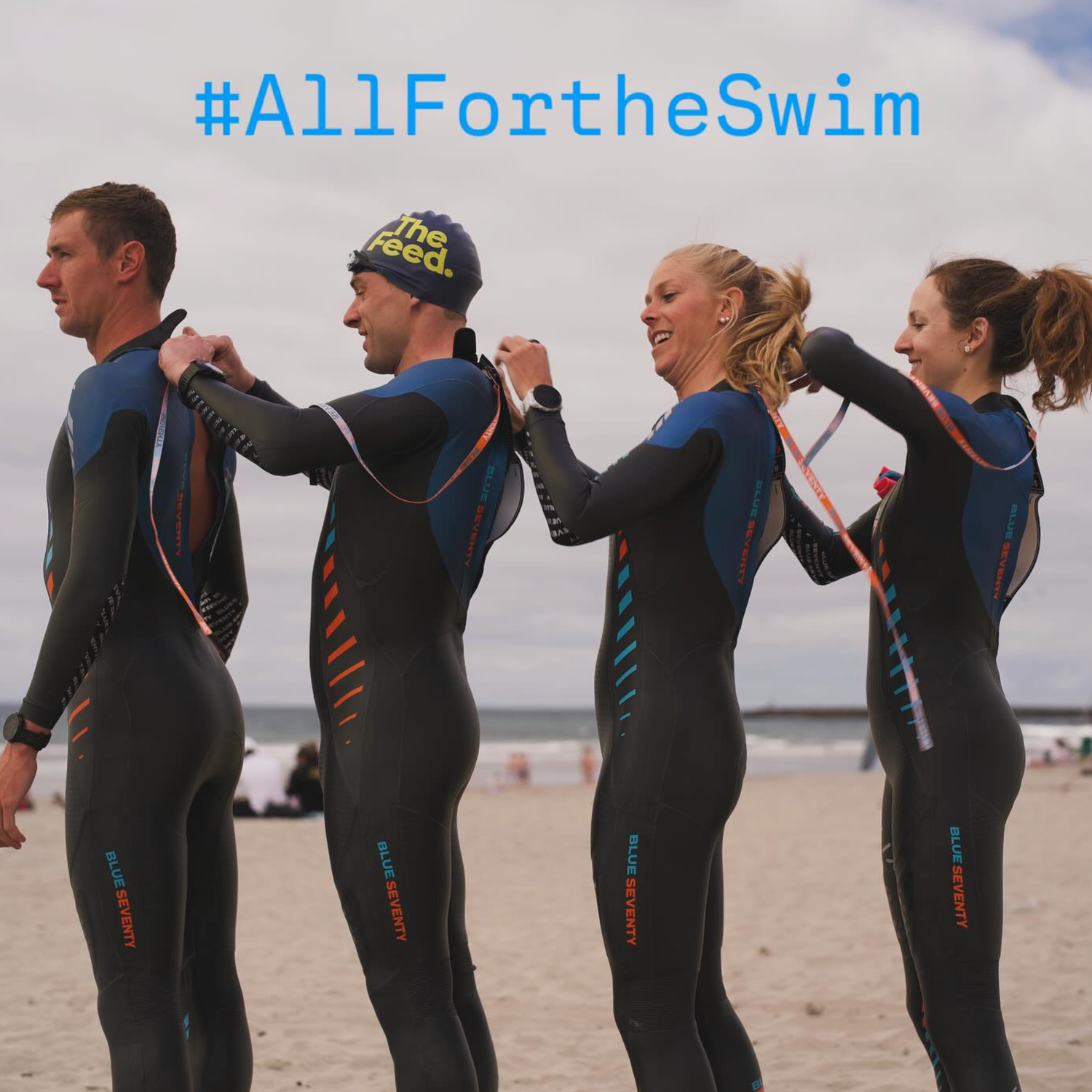
blueseventy’s fit doctrine is simple: the suit should feel snug on land and more comfortable in the water. That only happens when the wetsuit is donned correctly. If you leave material low through the legs and hips, you steal room from the shoulders before the swim even starts.
Small fit details matter. The blueseventy Fusion, priced at $420 on the blueseventy US site as verified on 2026-07-25, was redesigned in 2021 with a lower-sitting neckline for comfort without losing the watertight seal. For many athletes, neck comfort and reduced upper-chest pressure make a bigger difference over a long swim than a simple change in thickness.
For women, blueseventy’s Femme Fit patterning refines fit through the bust, torso, wrists, and ankles, uses a lowered neckline for comfort and reduced chafing, and adds an extended zipper length for easier entry and faster transitions. Cold-water comfort starts with shape and fit before it ever reaches a thickness question.
How to test a wetsuit before you trust it in cold water
Do not make this decision in a dressing room. Swim in the suit long enough to learn something useful.
- Swim continuously for at least ten minutes. Restriction often appears after the warm-up, not during it.
- Notice your breathing. Chest pressure and neckline tension become obvious once the effort rises.
- Pay attention to body position. Helpful buoyancy feels smooth and natural. Poorly balanced buoyancy feels awkward.
- Add a few short pickups. A faster effort reveals whether you still feel connected through the catch.
blueseventy’s Take a Test Swim policy makes that kind of evaluation possible. You can swim in the wetsuit and still return or exchange it if it comes back clean, dry, unmodified, with tags and accessories.
Choosing the right blueseventy wetsuit for your use case
The best suit depends on how and where you swim.
- Helix: built for race-day performance, with thin neoprene in the shoulders, a permeable catch panel, and LIFT buoyancy panels. blueseventy also notes that its delicate neoprene is not ideal for heavy training use.
- Reaction: priced at $680 and recommended for frequent, longer swims.
- Fusion: priced at $420 and recommended for shorter frequent swims.
- Thermal Reaction: priced at $785 and built for colder water with full Zirconium lining.
That range tells you something important. The right swim wetsuit is not the thickest one. It is the one that matches your water temperature, training frequency, and stroke needs.
The practical takeaway for open-water swimmers and triathletes
If your job in the water is swimming, do not let a 5/4 mm label make the decision for you. Judge the suit by what it does to your shoulders, your breathing, your body line, and your feel for the water during a real swim.
For many athletes, a purpose-built thermal swim wetsuit will make more sense than chasing thickness by itself. That is the direction blueseventy’s swim-specific design philosophy has followed for years: targeted warmth, balanced buoyancy, and freedom through the stroke.
If you want a better read on fit before your next cold-water session, use the size charts or take the suit for a proper in-water test. A few honest minutes in the water will tell you more than the number on the tag.