


Ask ten swimmers what matters most in a wetsuit for 45°F water, and most will answer with a thickness number. That is understandable, but it misses the harder truth. In water that cold, exposure time matters as much as neoprene thickness, and often more. The suit has to do more than add buoyancy and insulation. It has to preserve your stroke, limit cold-water flushing, and stay comfortable enough that you can keep swimming with control.
For most swimmers, 45°F is firmly in thermal wetsuit territory. Blueseventy’s published guidance places a purpose-built thermal suit in the conversation below about 56 to 58°F. At 45°F, the practical starting point is a full thermal swim-specific wetsuit such as the Thermal Reaction, which is fully lined with Zirconium jersey for added thermal protection in cold water.
That still does not mean you should reduce the entire decision to one spec. In severe cold, the best wetsuit is the one that matches the swim you are actually planning. A short, controlled cold-water dip asks different things from your gear than a steady open-water training session. Once you look at it that way, the better question is not “How thick should my wetsuit be?” It is “What does this suit need to do for the amount of time I plan to be in 45°F water?”
Why 45°F changes the whole discussion
Cold water this severe exposes weak points fast. A small gap at the neckline, shoulders that were not pulled fully into place during donning, or chest tension that seems manageable on shore can all become session-ending problems once you start swimming. At milder temperatures, those issues are annoying. At 45°F, they can take over the swim.
A wetsuit is not waterproof, and it is not meant to keep you dry. It works by allowing a thin layer of water inside, which your body warms to create insulation. In very cold water, that system needs help from good fit, the right lining, and panel design that supports both warmth and movement. If the suit allows repeated flushing through the neck, wrists, or ankles, you feel that immediately. If the suit restricts your shoulders, your stroke shortens and your effort rises. Both problems matter.
This is why 45°F water turns wetsuit selection into an exposure-management problem, not a shopping exercise built around one millimeter number.
Start with exposure time, not the spec sheet
The swimmer planning a quick acclimation session close to shore does not need the same answer as the swimmer planning a sustained open-water set. Both need serious thermal protection. The difference is how long the suit needs to keep doing its job before cold starts to affect breathing, stroke length, hand feel, and judgment.
A short cold-water session still calls for a thermal suit, but your session plan plays a larger role. A longer swim puts more pressure on the suit itself. Thermal lining matters more. Neck comfort matters more. Shoulder freedom matters more. Repeated flushing matters more. The longer the swim, the less forgiving the water becomes.
That is why exposure time belongs at the front of the decision. It tells you how much thermal margin you need and how small your tolerance should be for fit or setup mistakes.
Why thermal lining matters in 45°F water
Cold-water swimmers often focus on neoprene first, but interior lining deserves more attention. The blueseventy Thermal Reaction uses a full Zirconium jersey lining, described by the brand as a synthetic wool interior for added warmth in cold water. That matters because the feel of a cold-water suit is not decided only at entry. It is decided a few minutes later, when the first shock has passed and the suit has to keep you swimming well.
At moderate temperatures, some swimmers can prioritize flexibility first and still stay comfortable. At 45°F, the thermal build of the suit moves to the front of the line. A standard fullsuit can still offer buoyancy and body-position benefits, but severe cold shifts the balance toward a suit built specifically for cold-water swimming.
Thickness alone does not explain how a swim wetsuit works
Swim-specific wetsuits are not built with one uniform thickness from shoulder to ankle. They use different panel constructions because different parts of the body need different things. The chest, hips, and legs need insulation and buoyancy. The shoulders and arms need enough range of motion that you can still swim with rhythm instead of fighting the suit on every recovery.
Blueseventy’s wetsuits use Yamamoto neoprene in 38, 39, and 40 cell grades, with higher cell numbers offering more flexibility. That matters because cold-water performance is not just about staying warmer. It is also about preserving a usable stroke. If the suit is warm but stiff, your effort climbs. If your effort climbs, your breathing gets harder to settle. In 45°F water, that chain reaction can start early.
A better checklist looks like this:
- Thermal construction designed for cold-water swimming
- Close fit at the neck, wrists, and ankles to reduce flushing
- Buoyancy that supports body position as fatigue builds
- Shoulder freedom that lets you keep a normal stroke
- Comfort over time, not just comfort in the first minute
The mistake strong swimmers make
Experienced swimmers sometimes trust toughness more than fit. They assume they can muscle through a bad setup, a slightly restrictive shoulder, or a neckline that lets in too much cold water. In 45°F conditions, that is poor math. Severe cold takes enough from you already. There is no benefit in adding avoidable problems.
The warmest-feeling suit on land is not always the best suit in the water. If it compresses the chest, limits shoulder motion, or creates repeated flushing when you sight, the swim gets harder with every minute. A cold-water wetsuit still needs to feel like a swimming suit, not just insulation.
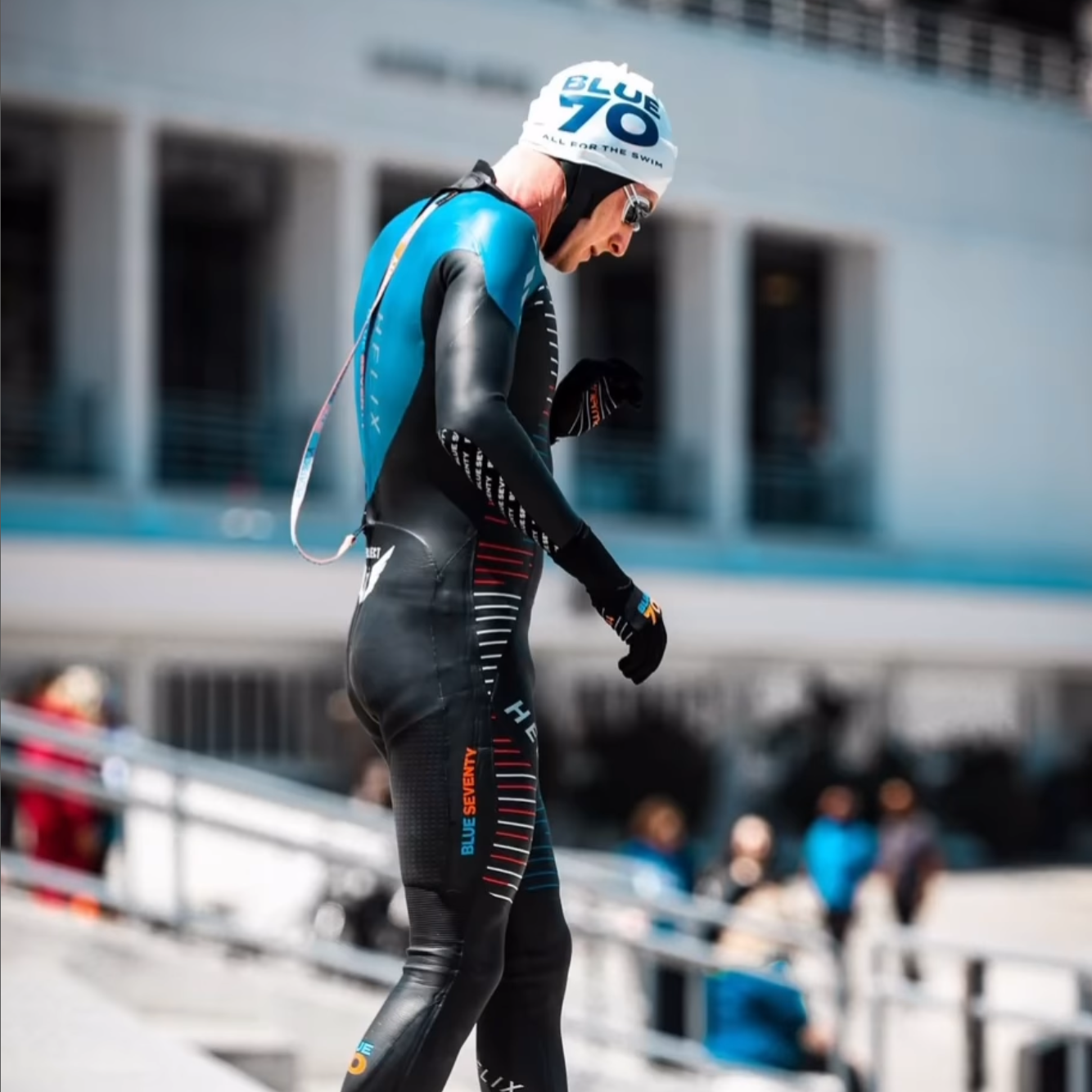
This is one reason blueseventy’s swim-specific design approach matters. The brand has long focused on freedom from restriction, body position, and feel for the water because swimming well and staying comfortable are linked. The flagship Helix shows that race-day end of the range with its thin, flexible shoulder construction, permeable catch panel, and LIFT buoyancy panels. Blueseventy is also open about the trade-off: the Helix uses delicate neoprene and is not the best tool for heavy training use. That same honesty applies here. In 45°F water, the right first choice is the cold-water suit in the line, not the suit built around race-day flexibility.
Fit becomes more important as the water gets colder
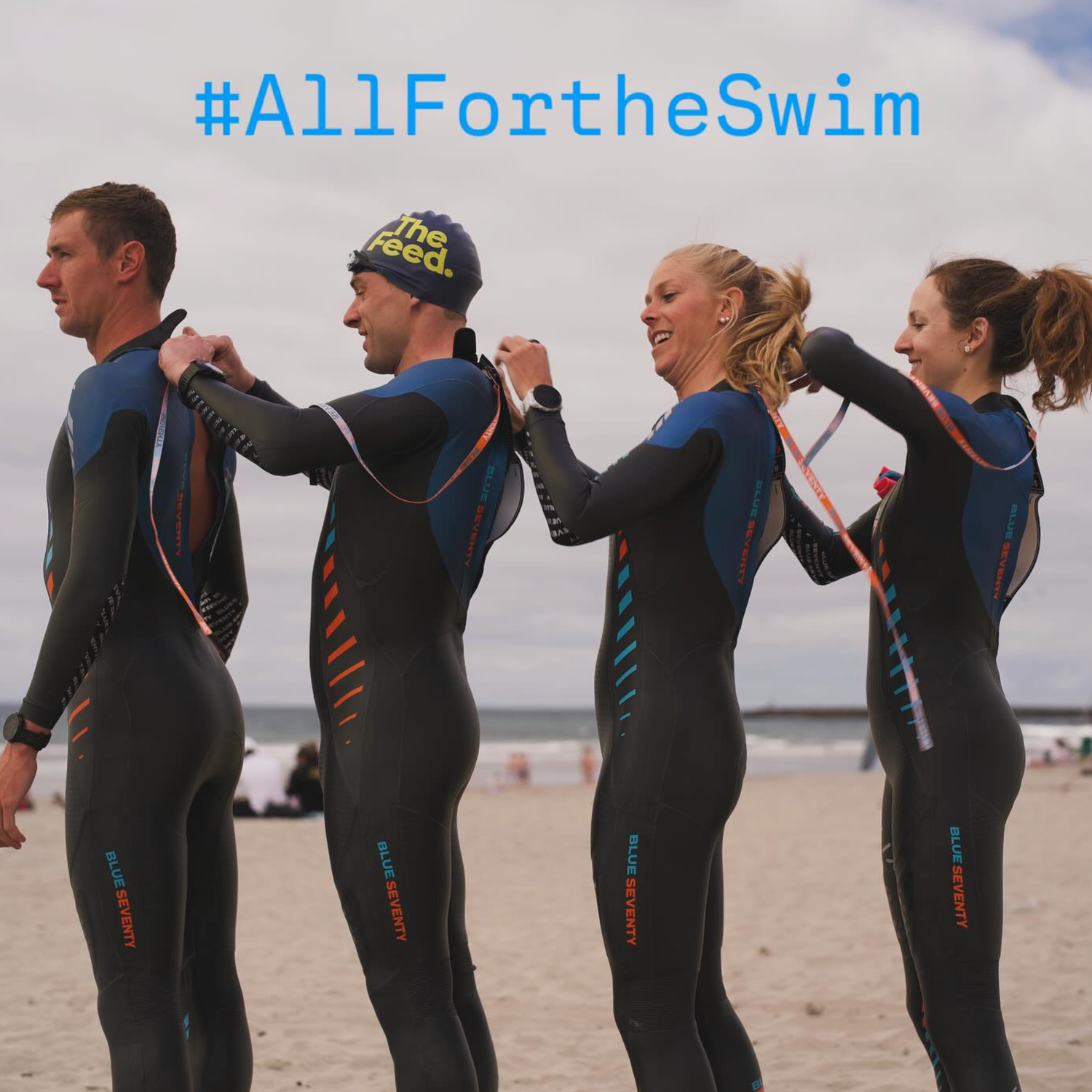
A small fit issue in cool water is irritating. In 45°F water, the same issue can end the swim. If the neck gaps, cold water can circulate across the upper chest and back. If the wrists and ankles do not sit cleanly, more cold water moves through the suit. If the shoulders were never pulled into position during donning, the swimmer feels tension across the chest and upper back and often blames the suit instead of the setup.
Blueseventy’s fit guidance is simple and useful here: the suit should feel snug on land and more comfortable in the water. That only works if the suit is put on correctly.
Before you swim, check these details
- Pull the suit high from the calves first.
- Work neoprene up through the hips and glutes.
- Lift material into the torso before setting the shoulders.
- Seat the arms high enough that the shoulders can move freely.
- Close the neckline so it lies flat without obvious gaps.
- Smooth bunching at the knees, elbows, and underarms.
That short routine can change the swim more than many gear upgrades.
Open-water swimmers and triathletes do not always need the same answer
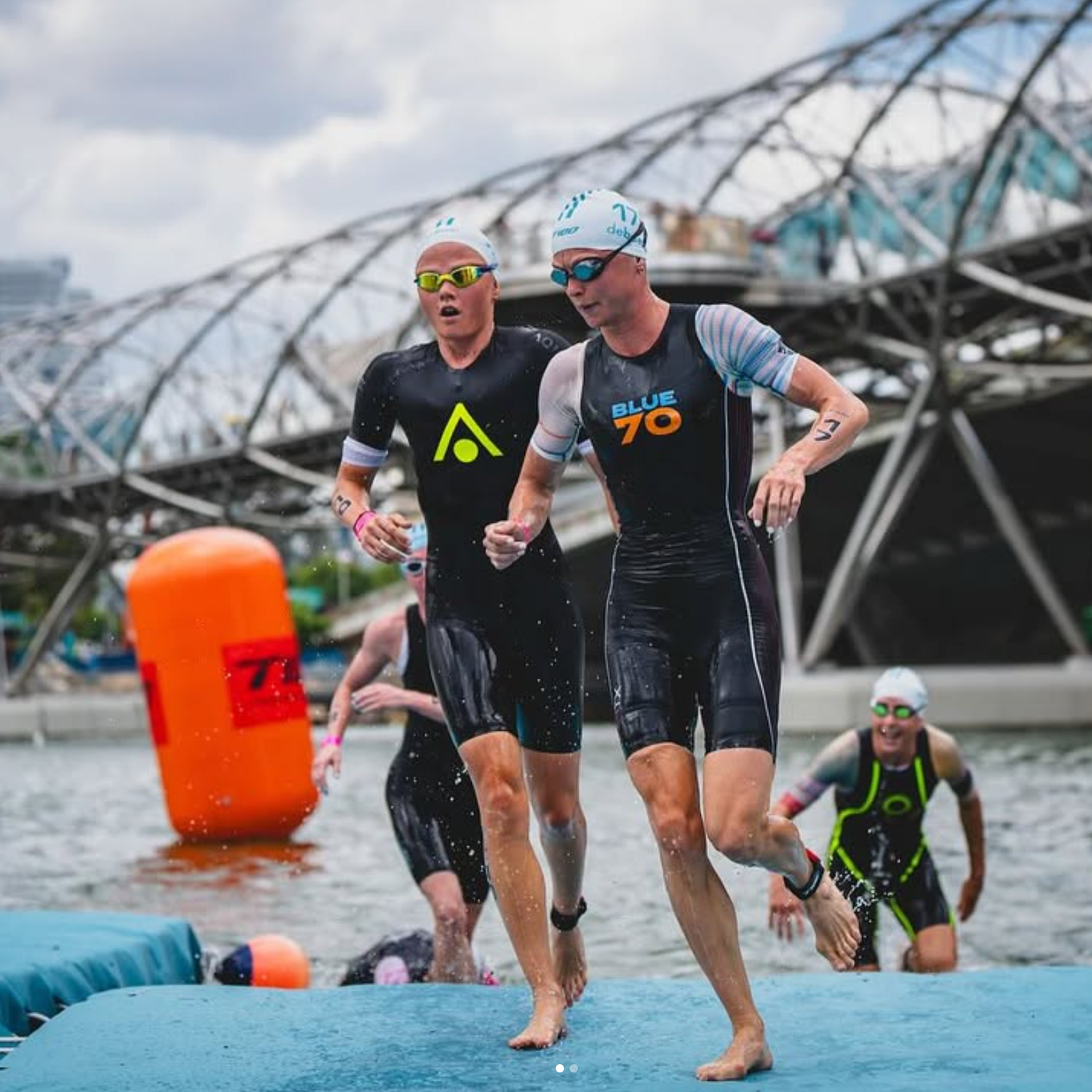
A triathlete often thinks about pace, body position, and arriving at T1 ready to race. An open-water swimmer may care more about comfort across a longer continuous effort, repeated sighting, and how the suit feels after the initial cold has settled in. At 45°F, those differences become more pronounced.
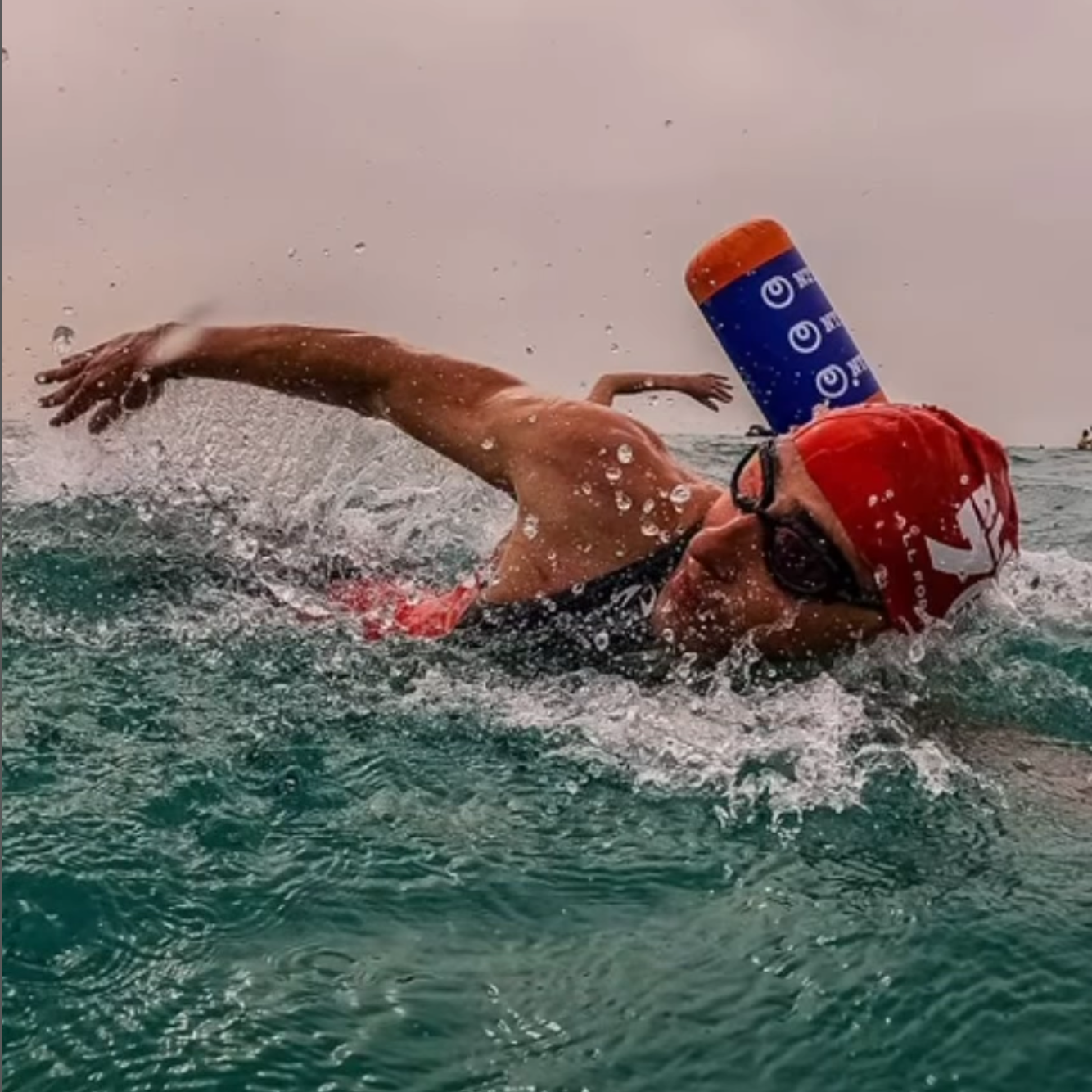
A short event effort in very cold water still demands serious thermal protection, but a training swim or distance effort increases the value of thermal lining and long-duration comfort. That is another reason a one-number thickness answer falls short. The swim itself matters.
The practical blueseventy choice for 45°F water
For most swimmers, the right place to begin is clear: choose a full thermal wetsuit built specifically for swimming. In the blueseventy range, that means starting with the Thermal Reaction. It is the cold-water model in the line, and its full Zirconium jersey lining is there for a reason.
If the question is “What blueseventy wetsuit category makes sense for 45°F water?” the answer is straightforward. Start with the thermal suit. Standard fullsuits belong in a different part of the temperature range.
How to judge whether your setup is working
Do not measure a 45°F swim by bravery. Measure it by control. The better indicator is not how long you can stay in. It is how well you can keep swimming.
During the session, pay attention to these markers:
- Can you settle your breathing after entry?
- Does the neckline stay comfortable when you sight and breathe?
- Do your shoulders still move freely after several minutes?
- Can you hold a normal catch, or are you losing feel through the hands and forearms?
- Is your body position staying stable as the swim goes on?
- Are you stopping by plan, or because form is breaking down?
Those answers tell you far more than a label ever will.
Session planning matters as much as suit choice
At 45°F, even a strong suit needs a smart session around it. Keep your route simple. Stay close to shore. Start easier than you think you need to so your breathing can settle before pace rises. Build exposure across multiple swims instead of turning one session into a test of nerve. Have dry layers ready before you enter the water.
Cold-water swimming rewards preparation. It also rewards discipline. If your stroke falls apart, if your breathing becomes hard to control, or if your hands lose too much feel for clean technique, the useful part of the swim is over.
Final takeaway
For 45°F water, wetsuit thickness is only part of the answer. The better framework starts with exposure time, then works through thermal lining, fit, flushing control, and shoulder mobility. In the blueseventy line, the Thermal Reaction belongs at the center of that conversation because it was built for cold-water swimming, not for compromise.
If you are preparing for a swim in water this cold, take the time to get the fit right and test the setup in real conditions. Blueseventy’s Take a Test Swim policy and size charts are good places to start. In 45°F water, the right wetsuit does not just add buoyancy. It helps you keep swimming with control for the swim you actually planned.